


Potassium-rich mining waste addition can shorten the composting period by increasing the abundance of thermophilic bacteria during high-temperature periods
- PMID: 37055422
- PMCID: PMC10101976
- DOI: 10.1038/s41598-023-31689-3
Potassium-rich mining waste addition can shorten the composting period by increasing the abundance of thermophilic bacteria during high-temperature periods
Abstract
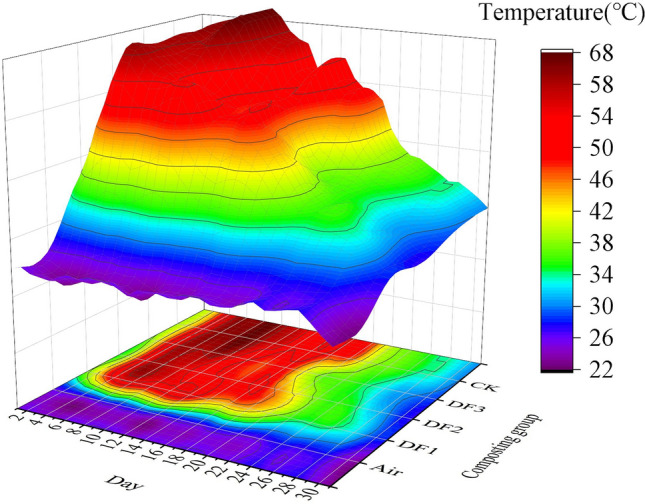
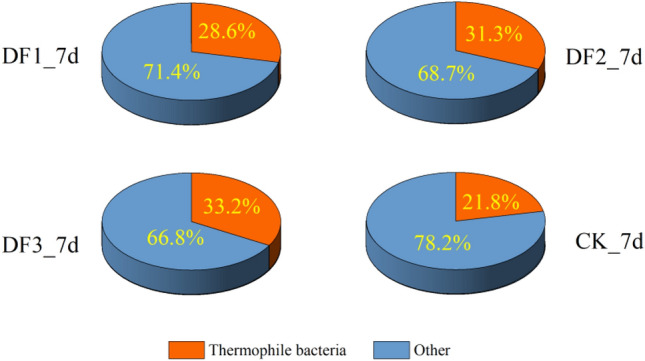
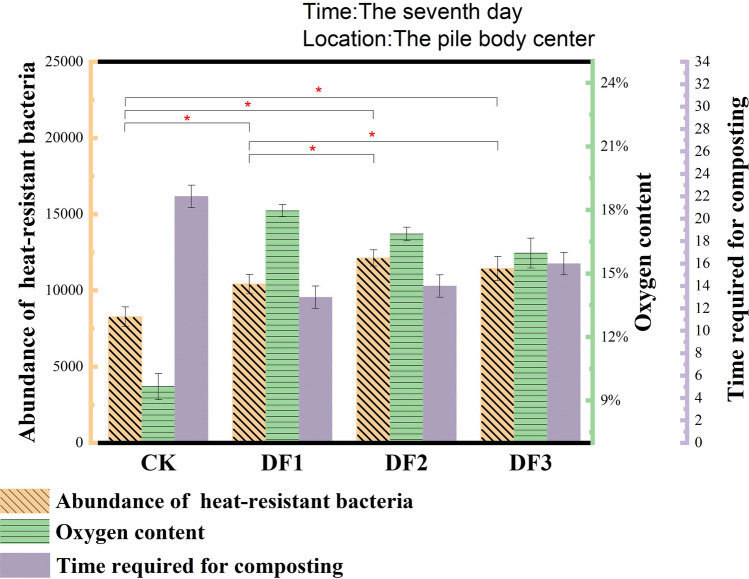
Conventional compost sludge has a long fermentation period and is not nutrient rich. Potassium-rich mining waste was used as an additive for aerobic composting of activated sludge to make a new sludge product. The effects of different feeding ratios of potassium-rich mining waste and activated sludge on the physicochemical properties and thermophilic bacterial community structure during aerobic composting were investigated. The results showed that potassium-rich waste minerals contribute to the increase in mineral element contents; although the addition of potassium-rich waste minerals affected the peak temperature and duration of composting, the more sufficient oxygen content promoted the growth of thermophilic bacteria and thus shortened the overall composting period. Considering the requirements of composting temperature, it is recommended that the addition of potassium-rich waste minerals is less than or equal to 20%.
© 2023. The Author(s).
Conflict of interest statement
The authors declare no competing interests.
Figures
References
-
- Ezzariai A, Hafidi M, Khadra A, Aemig Q, El Fels L, Barret M, Merlina G, Patureau D, Pinelli E. Human and veterinary antibiotics during composting of sludge or manure: Global perspectives on persistence, degradation, and resistance genes. J. Hazard. Mater. 2018;359:465–481. doi: 10.1016/j.jhazmat.2018.07.092. - DOI - PubMed
Publication types
MeSH terms
Substances
Associated data
LinkOut - more resources
Full Text Sources
Other Literature Sources
