


Vegan diets from an allergy point of view - Position paper of the DGAKI working group on food allergy
- PMID: 37056444
- PMCID: PMC10088878
- DOI: 10.5414/ALX02400E
Vegan diets from an allergy point of view - Position paper of the DGAKI working group on food allergy
Erratum in
-
Corrigendum of the article Reese I, Schäfer C, Ballmer-Weber B, Beyer K, Dölle-Bierke S, van Dullemen S, Jappe U, Müller S, Schnadt S, Treudler R, Worm M. Vegan diets from an allergy point of view - Position paper of the DGAKI working group on food allergy. Allergol Select. 2023; 7: 57-83.Allergol Select. 2024 Jun 13;8:228. doi: 10.5414/ALX02400ECorr. eCollection 2024. Allergol Select. 2024. PMID: 38872873 Free PMC article.
Abstract
Vegan diets are currently attracting a great deal of attention. However, avoiding animal-based foods restricts the diet and is associated with risks, the extent and medical implications of which are at present not sufficiently understood. Elimination diets represent the usual therapeutic long-term management in the presence of food allergy. In order to understand the risks of vegan diets and to discuss these critically from the perspective of food allergies, the expertise of a nutritionist/dietitian with expertise in this area is indispensable. This position paper deals with the incentives behind and the benefits of a plant-based diet. The knowledge required to cover macro- and micronutrient dietary requirements is presented. Using the avoidance of cow's milk as an example, the challenges of adequately meeting nutritional needs are identified and (so-called) milk alternatives are evaluated from an allergy and nutritional point of view. Finally, other plant-based (substitute) products are evaluated from the same perspective, as significant protein sources in vegan diets (e.g., legumes, nuts, and seeds) are at the same time potential and potent triggers of allergic reactions. However, the allergic potential of many substitute products cannot be fully assessed at present due to gaps in research. Wheat as the most important trigger for anaphylaxis in adults is also evaluated. Finally, the increase in ultra-processed products in the (vegan) food sector and their potential consequences for the immune system are discussed.
Keywords: allergy; assessment of critical needs; food allergy; ultra-processed foods; vegan diet.
© Dustri-Verlag Dr. K. Feistle.
Conflict of interest statement
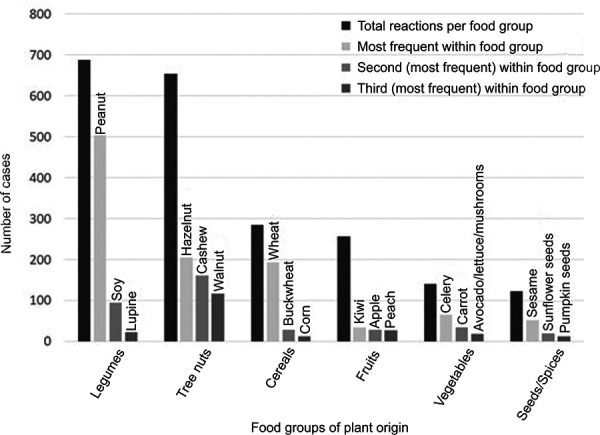
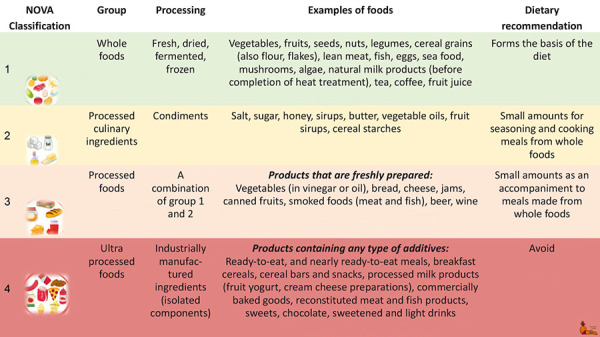
R. Treudler, S. Schnadt, S. van Dullemen, B. Ballmer-Weber, S. Müller, U. Jappe declare no conflict of interest. I. Reese declares the following conflicts of interest outside the submitted work: Honoraria: AGPAS e. V., Aimmune Therapeutics Germany GmbH, AlbertZwei media GmbH, ALK-Abello Arzneimittel GmbH, Beiersdorf Dermo Medical GmbH, BVDD e. V., DAAB e.V., DAEM e.V., Danone Deutschland GmbH, DAPM e. V., DDG e.V., DGAKI, DWA, GPA e.V., GEKA mbH, GWT-TUD GmbH, Helmholtz-Zentrum München, InfectoPharm Arzneimittel und Consilium GmbH, Kneipp-Ärztebund e.V., Leo Pharma Gmbh, Medical Project Design, MVS Medizinverlage, Nestlé Deutschland AG, Netz für entzündliche Dermatosen in Hannover e.V., Novartis Pharma GmbH, RG Ärztefortbildung, Sanomega GmbH, Schweizer Milchproduzenten SMP, SWR, Uniklinikum Augsburg, Uniklinikum TU München, Uniklinikum Marburg, VDD e.V., VDOe e.V., Vfed e.V. Publishers: Dustri, de Gruyter, Springer, Thieme, Münchner Verlagsgruppe. Reimbursement of travel costs: DGAKI, EAACI, GA2LEN GAFA. Advisory board activity: DAAB, DGAKI. C. Schäfer declares the following conflicts of interest outside the submitted work: Travel costs, honoraria: abbvie Deutschland GmbH & Co. KG, Aimmune Therapeutics Germany GmbH, DAAB e. V., DAEM e. V., DGAKI e. V., DGEM e. V., Dustri Verlag, GU Verlag, MVS Medizinverlage, Nestle Deutschland AG, Novartis Pharma GmbH, Roxall Medizin GmbH, Sanofi-Aventis Deutschland GmbH, Springer Verlag, Thieme Verlag, VFED e. V. Advisory board activity: DAAB e. V., NNI, Quetheb e.V. K. Beyer declares the receipt of consultation fees and/ or honoraria by Danone/Nutricia, Hipp und Nestlé, as well as research grants by Danone/Nutricia and Hipp outside the submitted work. M. Worm declares the receipt of honoraria and/or consultation fees by the following companies: Novartis Pharma GmbH, Sanofi-Aventis Deutschland GmbH, DBV Technologies S.A, Aimmune Therapeutics UK Limited, Regeneron Pharmaceuticals, Inc, Leo Pharma GmbH, Boehringer Ingelheim Pharma GmbH &Co.KG, ALK-Abelló Arzneimittel GmbH, Lilly Deutschland GmbH, Kymab Limited, Amgen GmbH, Abbvie Deutschland GmbH & Co. KG, Pfizer Pharma GmbH, Mylan Germany GmbH (A Viatris Company), AstraZeneca GmbH, Lilly Deutschland GmbH and GlaxoSmithKline GmbH & Co. KG. S. Dölle-Bierke declares the receipt of honoraria by ALK and DAAB e. V., as well as research grants by BMBF (01EA2107B) outside the submitted work Table 1.Daily vegan eating plan covering requirements for an adult with a body weight of 60 kg (German Federal Food Code) [12]. MealIngredientsQuantity (g)Energy (kcal)Protein (g)Lysine (mg)Cysteine/Methionine (mg)1st breakfastBanana porridgeOats whole-grain flakes702489.3320402Soy drink + calcium200546.9440100Banana1251131.471142nd breakfastWhole-grain bread with peanut/chocolate spread and raw vegetablesWhole-grain rye bread701395.1224168Peanut butter251456.6258165Cocoa low in oil (“baking cocoa”)4140.92922Carrots, raw150501.37132LunchIndian potato and lentil stewPotatoes, peeled cooked2001403.8248106Lentils, ripe dried cooked15018315.81127281Tomatoes150261.45416Onion, cooked3090.42116Rapeseed oil10106Iodized fluoridated table salt2SnackStrawberry soy yogurt with walnutsSoy yogurt with calcium200546.9442100Strawberries (raw)125401.04310Walnuts302144.8133155DinnerPan-fried vegetables with tofuTofu8010613.1817343Chickpeas1201699.0637216Mixed vegetables, cooked250986.8505218Rapeseed oil12106Sesame, roasted10601.95983Iodized fluoridated table salt2Total2,07496.45,4992,447Note: Daily requirement of lysine is 4.61 g, of cysteine and methionine 2.21 g. Macronutrient profile: 18.1 energy (E)% protein, 32.48 E% fat, 42.98 E% carbohydrates [13]. Table 2.DIAAS of selected food proteins (partly isolated) according to [20]. FoodDIAAS 0.5 – 3 yearsDIAAS > 3 yearsProtein content %Potato protein96 – 113120 – 13478 – 81% (protein content potato: 2%)Wheat34 – 6443 – 7611 – 16Oatmeal48 – 6257 – 7310 – 15Fava beans49 – 5957 – 6925 – 27Pea54 – 7769 – 9118 – 28Lupine63 – 6974 – 8131 – 36Soybean, dried82 – 978 – 12535 – 37Soy protein isolate75 – 8488 – 9885 – 93Soy protein concentrate86 – 97101 – 11264 – 65Ham, smoked115 – 125123 – 14224 – 34Whey powder81 – 87101 – 10912 – 13 (whey content in milk: 0.6 – 1%)Casein113 – 120132 – 14187 – 89 (casein content in milk: 2.6%)DIAAS = digestible indispensable amino acid score. Table 3.Combination ratios for a meal with ~ 20 g of protein providing a complete protein in terms of the digestible indispensable amino acid score (DIAAS); according to [12, 21]. Protein sources in g foodPercentage of proteinsTotal protein content (g)Protein 173 g pea (cooked)2520.0Protein 244 g wheat (whole grain/cooked)25Protein 3530 g potato50Protein 115 g oats (whole grain)1020.0Protein 243 g lentils (cooked)20Protein 3740 g potato70Protein 133 g soybeans (cooked)2520.0Protein 297 g wheat (whole grain/cooked)20Protein 3580 g potato55Protein 1160 g corn (whole grain/cooked)2520.0Protein 2790 g potato75Protein 1146 g wheat (whole grain/cooked)3020.0Protein 2740 g potato70Protein 164 g lentil (cooked)3020.0Protein 2740 g potato70 Table 4.A Comparison of the nutrients of cow’s milk with selected plant-based drinks (German Federal Food Code 3.01; Alnatura 2022; Alpro 2022; Bedda 2022; Harvest Moon 2022; Luve 2022; Oatly 2022; Provamel 2022; Rewe 2022). ProductsEnergy (kcal/ 100 mL)Fat (%)Carbohydrates (%)Protein (%)Calcium (mg)Milk alternativesCow’s milk (whole milk)653.54.73.4120Soy drink (e.g., Alpro Sojadrink Bio (i.e. organic soy drink))381.82.33.012.31Soy drink (e.g., Alpro Sojadrink Original mit Calcium (i.e. plain soy drink with calcium))391.82.53.0120Lupine drink (e.g., Luve aus Lupinen Natur (i.e. plain lupine drink))501.57.21.0120Almond drink (e.g., Provamel organic-bio Mandel (i.e. plain organic almond drink))382.52.41.0–Cashew drink (e.g., Provamel bio-organic Cashew No sugars (i.e. unsweetened organic cashew drink))382.81.31.2–Coconut drink (e.g., organic-bio Barista Kokos (i.e. organic coconut drink with foaming properties))361.54.70.4–Coconut drink (e.g., Alnatura Kokosdrink ungesüßt (i.e. unsweetened plain coconut drink))120.51.31.7–Oat drink (e.g., Oatly Haferdrink Calcium (i.e. calcium fortified oat drink))461.56.71.0120Oat drink (e.g., Oatly Haferdrink Barista Edition (i.e. oat drink with foaming properties))593.06.61.0120Spelt drink (e.g., Alnatura Dinkeldrink ungesüßt (i.e. unsweetened spelt drink))421.56.20.8–Rice drink (e.g. Provamel organic-bio Rice)541.111.00.1–Yogurt alternativesCow’s milk yogurt 3.5% fat693.84.43.9120Alpro Natur Ohne Zucker (i.e. plain unsweetened soy yogurt alternative) 422.3–4.0120Alpro Heidelbeere (i.e. soy yogurt alternative with blueberry flavour)700.48.23.7120Alpro Natur Mit Mandeln (i.e. plain soy yogurt alternative with almonds)542.82.33.9120Harvest Moon Coconut Natur - Bio (i.e. organic plain coconut yogurt alternative)12811.94.50.8–Luve Lughurt Natur (Lupinenjoghurt – i.e. plain lupine yogurt alternative)1015.510.01.7–Luve Lughurt Mango (i.e. lupine yogurt alternative with mango flavour)1065.014.01.5–Rewe Bio & vegan Kokos Natur (i.e. plain organic coconut yogurt alternative)977.75.11.4–Luve Lughurt Natur zuckerfrei (i.e. plain unsweetened lupine yogurt)966.08.51.8–Vegan spreadable cream (e.g., Bedda Frischcrème natur)30030.51.04.0–Alnatura (Alnatura Produktions- und Handels GmbH website): https://www.alnatura.de/de-de/produkte/suche/ (05.08.2022); Alpro (Alpro GmbH), website: https://www.alpro.com/de/produkte/drinks/sojadrinks-natur/sojadrink-original-mit-calcium/ (05.08.2022); Bedda (Ethiconomy Services GmbH), website: https://bedda-world.com/produkte/ (05.08.2022); Harvest Moon (Whollees GmbH), website: https://harvestmoon.de/products#milk_alternatives (05.08.2022); Luve (Prolupin GmbH), website: https://madewithluve.de/produkte/ (05.08.2022); Oatly (Oatly AB, Malmö, Schweden), website: https://www.oatly.com/de-de/stuff-we-make (05.08.2022); Provamel (Alpro GmbH), website: https://www.provamel.com/de/produkte (05.08.2022); Rewe (Rewe Markt GmbH), website: https://www.rewe.de/marken/eigenmarken/bio/rewe-bio-produkte/ (05.08.2022). Table 5.Comparison of cheese, cream cheese, and yogurt with alternatives (focus on protein) (Alpro 2022; Bedda 2022; Simply V 2022) [12]. ProductCheese from cow’s milk (reference) versus vegan alternativeProtein contentCalciumAllergensTrace identificationSemi-hard cheeseSemi-hard cheese 45% FDM25.3%690 mgCow’s milkSimply V® Vegane Genießerscheiben Fein Cremig (i.e. slices cheese alternative)0.5%–Almonds+Bedda® Scheiben Classic (i.e. slices cheese alternative)0.0%+––Cream cheeseCream cheese heavy cream (60% FDM)11.3%79 mgCow’s milkSimply V® Streichgenuss Cremig-Mild (i.e. cream cheese alternative)4.5%–Almonds+Bedda® Frischcreme Kräuter (i.e. cream cheese alternative with herbs)4.0%–Almonds–FDM = fat in dry matter. edda® (Ethiconomy Services GmbH), website: https://bedda-world.com/produkte/ (05.08.2022); Simply V® (E.V.A. GmbH) website: https://www.simply-v.de/de/produkte/ (05.08.2022). Figure 110 most frequent triggers of food-induced anaphylaxis. Anaphylaxis Registry, German-speaking countries (Germany, Austria, Switzerland), as of October 29, 2020. Total n = 1,790 confirmed food-induced anaphylaxis cases (n = 1,141, children and adolescents 0 – 17 years; n = 649, adults 18 years and older). Only cases that met the NIAID/FAAN (National Institute of Allergy and Infectious Diseases/Food Allergy and Anaphylaxis Network) definition [40] of an anaphylactic reaction and where the trigger was diagnosed as confirmed [39] were included.Figure 2The most frequent triggers or groups of triggers in confirmed anaphylaxis to foods of plant origin. Based on [41]. Table 6.Nutritional values and selected allergenic structures of selected legumes for estimation of possible risks for cross-reactive allergic reactions (based on 100 g ready-to-eat final product) according to Allergome (www.allergome.org); allergens that are additionally documented in the WHO/IUIS database (www.allergen.org) are presented in bold. FoodEnergy (kilocalories) [fat in g, carbohydrates in g, protein in g]Important allergenic structuresNotes (focus allergy/food form)Fenugreek Trigonella foenum-graecum366 [6.4/48.3/23.0]7S vicilin: Tri fg 1: 2S albumin: Tri fg 2 7S globulin: Tri fg 3 Bet v 1-like: Tri fg 4No WHO/IUIS documentation yet Note: is increasingly used in usual spice quantitiesPeanut Arachis hypogaea599 [48.4/7.48/29.78]7S vicilin: Ara h 1 + isoforms 2S albumin: Ara h 2/Ara h 6/Ara h 7 + isoforms 11S globulin: Ara h 3 Profilin: Ara h 5 Bet v 1-like: Ara h 8 + isoforms LTP: Ara h 9/Ara h 16/Ara h 17 + isoforms Oleosins: Ara h10/Ara h 11, Ara h 14/Ara h 15 + isoformsPeanut products are available in many variants (roasted, defatted, as flour, or as oil), resulting in significantly differing macronutrient contents.Peanut roasted630 [52.95/9.28/26.94]Peanut flour defatted flour349 [0.55/30.65/52.50]Peas, ripe-flour Pisum sativum316 [1.51/44.0/24.1]7S vicilin: Pis s 1 + isoforms 7S vicilin/Convicilin + isoform: Pis s 2 LTP + isoform: Pis s 3 Profilin: Pis s 5 Bet v 1-like: Pis s 6Pis 1 and Pis 2 – together with isoforms probably the main allergensChickpea, dried Cicer arietinum337 [5.9/44.0/19.0]7S vicilin: Cic a 1 2S albumin: Cic a 2S ilbumin LTP: Cic a 3 11S globulin: Cic a 6Chickpea flour contains 20% protein, twice as much as wheat flourLentil, dried ripe Lens culinaris307 [(1.6/40.5/23.4]7S vicilin: Len c 1 + three isoforms LTP: Len c 3 + isoform No 2S albumin or Bet v 1 homolog described so farLupine, grist Lupinus species356 [8.7/13.0/43.0]7S vicilin: Lup a 1/Lupan 1 major allergen, cross-reaction between peanut and lupine. LTP: Lup an 3 + isoform Bet v 1-like: Lup a 4 Profilin: Lup a 5 + isoform 2S albumin: Lup an delta conglutinBased on the sequence homologies of lupine products, a similar allergenic potency for birch pollen allergen can be assumed for patients as with soybeanSoybean, dried Glycine maxima386 [18.3/6.3/38.2]Hydrophobic protein: Gly m 1 Defensin: Gly m 2 Profilin: Gly m 3 + isoforms Bet v 1-like: Gly m 4 + isoform 7S vicilin: Gly m 5 + isoforms 11S globulin: Gly m 6 + isoforms Seed biotinylated protein: Gly m 7 2S albumin: Gly m 8Soy products are available in many variants (roasted, defatted, as flour, or as oil), resulting in significantly differing macronutrient contents.Soybean, roasted431 [24.0/6.1/50.0]Soy protein (TVP)291 [1.5/7.0/50.0]Nutritional information is based on the German Federal Food Code 3.02 [12] and is part of the Prodi/Optidiet nutrition software. TVP = textured vegetable protein. Table 7.Nutritional values and selected allergenic structures of relevant nuts for the estimation of possible risks for cross-reactive allergic reactions (related to 100 g of the ready-to-eat final product) according to Allergome (www.allergome.org); allergens that are additionally documented in the WHO/IUS database (www.allergen.org) are presented in bold. FoodEnergy (kilocalories) [fat in g, carbohydrates in g, protein in g]Important allergenic structuresNotes (focus allergy/food form)Cashews Anacardium occidentale590 [42.2/30.5/20.6]7S globulin: Ana o 1, 11S gGlobulin: Ana o 2 2S albumin: Ana o 3 (f443, major allergen), Bet v 1-like isoformCashew flour, de-oiled Anacardium occidentale356 [2.0/41.8/39.6]Basic ingredient for cashew processing (for example, cheese alternatives, drinks, and snacks).Hazelnut, natural Corylus avellana664 [63.3/6.0/16.3]PR-10: Cor a 1 and additional 10 isoforms Profilin: Cor a 2 + 2 isoforms LTP: Cor a 8 + isoform 11S globulin: Cor a 9 + isoform 7S vicilin: Cor a 11 + isoform 2S albumin: Cor a 14 + isoform 7S globulin: Cor a 1637 known allergen structures, of which 12 are documented at WHO/IUIS, but 2 are inhalant allergens. Various isoforms are known.Hazelnut, roasted Corylus avellana685 ([6.7/5.4/14.8]Nutritional information is based on the German Federal Food Code 3.02 [12] and is part of the Prodi/Optidiet nutrition software. Table 8.Nutritional values and selected allergenic structures of relevant oilseeds and seeds for the estimation of possible risks for cross-reactive allergic reactions (related to 100 g of the ready-to-eat final product) according to Allergome (www.allergome.org); allergens that are additionally documented in the WHO/IUS database (www.allergen.org) are presented in bold. FoodEnergy (kilocalories) [fat in g, carbohydrates in g, protein in g]Important allergenic structuresNotes (focus allergy/food form)Psyllium Plantago ovata271 [7.0/3.5/16.0]Pla o without further characterizationNote the significantly different nutrient profile compared to psyllium husks.Psyllium husks Plantago ovata222 [0.7/12.0/2.3]Hemp seeds, shelled Cannabis sativa611 [48.0/16.0/25.0]Profilin: Can s 2 (identified as an aeroallergen) LTP: Can s 3 + isoform (identified as an aeroallergen, not a food allergen). Can s 4: Oxygen Evolving Enhancer Protein 2 (identified as an aeroallergen). Can s 5: Bet v 1-like (identified as an aeroallergen)Hemp seeds should preferably be used shelled. Unprocessed and unshelled hemp seeds must be pre-processed by heat to avoid the antinutritive substances.Hemp seeds, unshelled Cannabis sativa461 [32.0/2.2/21.0]Hemp seeds, roasted Cannabis sativa560 [44.0/12.0/33.0]Edestin (11S globulin), but not described as allergen!Linseed, whole Linum usitatissimum498 [37.0/7.7/22.0]2S albumin: Lin u 1Observe EU Regulation on consumption restrictionSesame, raw Sesamum indicum; Synonym (old): Sesamum orientale593 [50.4/10.2/50.4]2S albumins: Ses i 1 + isoform, Ses i 2 + isoform, 7S vicilin: Ses i 3 + Isoform Oleosins: Ses i 4, Ses i 5 + isoforms 11S globulin: Ses i 6 + isoform 11S globulin: Ses i 7 + isoformNutritional information is based on the German Federal Food Code 3.02 [12] and is part of the Prodi/Optidiet nutrition software. Table 9.Nutritional values and selected allergenic structures of relevant wheat products for the assessment of possible risks for cross-reactive allergic reactions (based on 100 g of the ready-to-eat final product) according to Allergome (www.allergome.org); allergens that are additionally documented in the WHO/IUS database (www.allergen.org) are presented in bold. FoodEnergy (kilocalories) [fat in g, carbohydrates in g, protein in g]Important allergenic structuresNotes (focus allergy/food form)Wheat grain Triticum aestivum301 [1.8/59.6/11.7]Profilin: Tri a 12 and isoforms LTP: Tri a 14 + isoforms Omega 5 gliadin: Tri a 19Over 100 described allergen structures (including amylase inhibitors, gliadins, glutenins, serine protease inhibitors, thiol reductases); 15/28 allergens already documented at WHO/IUIS as food allergens.Gluten395 [4.0/7.0/81.0]Seitan (Triticum aestivum)115 [1.7/1.8/22.4]Nutritional information is based on the German Federal Food Code 3.02 [12] and is part of the Prodi/Optidiet nutrition software. Figure 3Classification of foods according to NOVA classification. Based on [128, 129].
Figures

References
-
- https://www.mri.bund.de/de/institute/ernaehrungsverhalten/forschungsproj... Max-Rubner-Institut. Ergebnisbericht Teil 1, Nationale Verzehrsstudie II. .
-
- https://de.statista.com/statistik/daten/studie/445155/umfrage/umfrage-in... AWA. Allensbacher Markt- und Werbeträgeranalyse vol. abgerufen 2-9-2022. .
-
- Skopos-Group. Marktforschungsinstitut. https://www.skopos-group.de/news/13-millionen-deutsche-leben-vegan.html. Date of access: November 15, 2016.
-
- Dinu M Abbate R Gensini GF Casini A Sofi F Vegetarian, vegan diets and multiple health outcomes: A systematic review with meta-analysis of observational studies. Crit Rev Food Sci Nutr. 2017; 57: 3640–3649. - PubMed
-
- Dinu M Pagliai G Casini A Sofi F Mediterranean diet and multiple health outcomes: an umbrella review of meta-analyses of observational studies and randomised trials. Eur J Clin Nutr. 2018; 72: 30–43. - PubMed
LinkOut - more resources
Full Text Sources