


The rate of occupational noise-induced hearing loss among male workers in Israel and implication on hearing surveillance frequency
- PMID: 37058149
- PMCID: PMC10103665
- DOI: 10.1007/s00420-023-01975-8
The rate of occupational noise-induced hearing loss among male workers in Israel and implication on hearing surveillance frequency
Abstract
Objectives: To investigate the annual rate of NIHL in Israel, a modern economy with relatively low industrial hazardous noise exposure. To review international protocols of hearing surveillance. To recommend an effective, efficient, hearing screening frequency protocol.
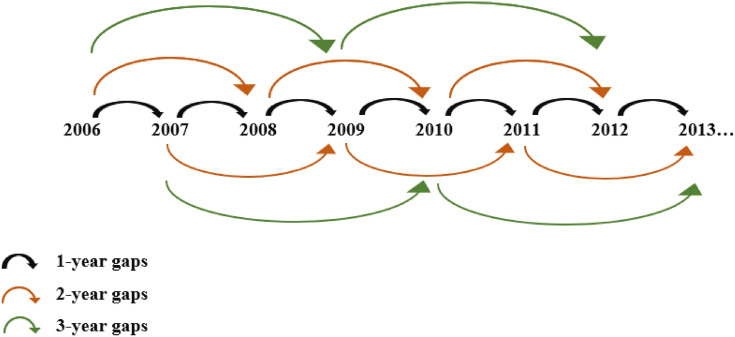
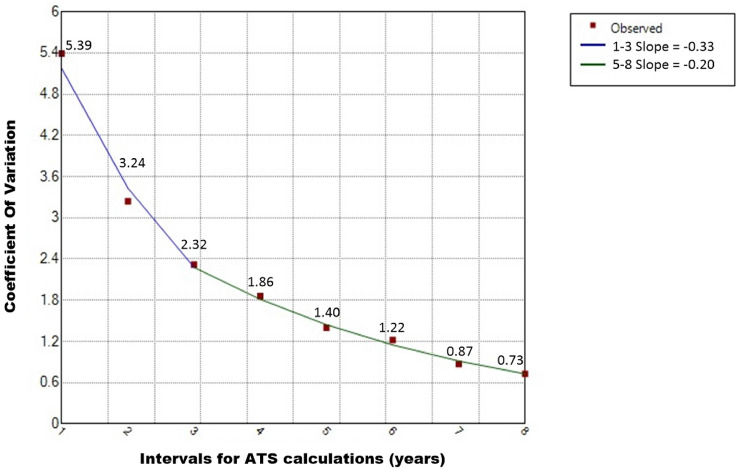
Methods: A historical cohort study was conducted. Audiometric surveillance data from the Jerusalem occupational medicine registry of male employees in various industries from 2006 to 2017 were used. Mean individual annual threshold shifts simulating 1-8 checkup interval years were calculated. Joinpoint regression analysis was used to assess the interval in which the slope of the calculated ATS variability moderates significantly.
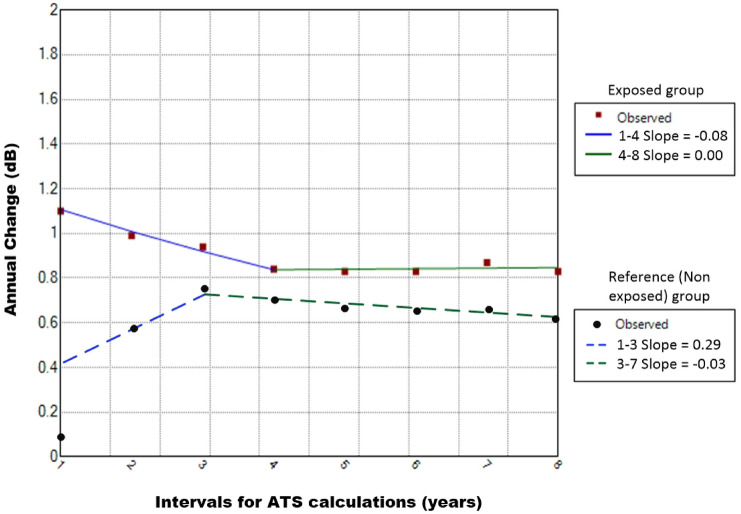
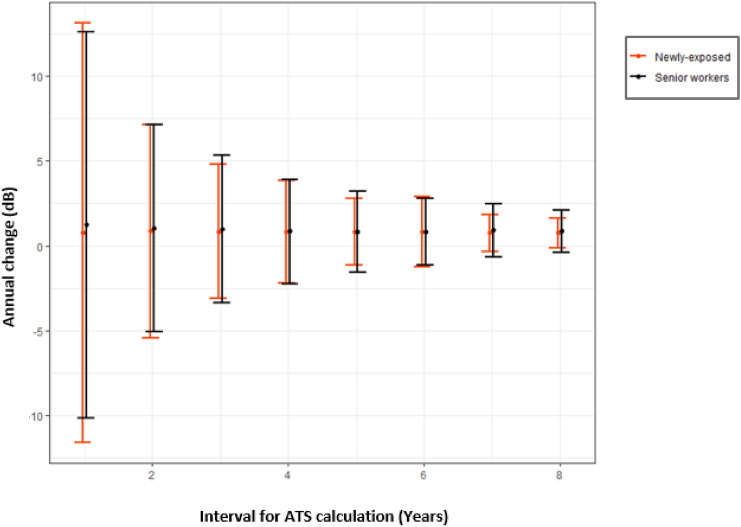
Results: A total of 263 noise-exposed workers and 93 workers in the comparison group produced 1913 audiograms for analysis. Among the noise-exposed workers, using the 1-4 kHz average, threshold shifts stabilized from 3 years onwards at around 1 dB per year in all age groups and 0.83 dB in the stratum younger than 50 years. No enhanced decline was detected in the first years of exposure.
Conclusion: Although most countries conduct annual hearing surveillance, hearing threshold shifts of noise-exposed workers become more accurate and show less variability when calculated at 3-year checkup intervals onwards than shorter intervals. Since margins of errors of the test method are much larger than the annual shift found, screening schedule that enables each subsequent test to identify a real deterioration in hearing is necessary. Triennial audiometric screening would be a better surveillance frequency for noise-exposed workers younger than 50 years of age in the category of 85-95 dBLAeq,8 h without other known risk factors.
Keywords: Annual audiometry; Hearing conservation; Occupational noise exposure; Occupational noise-induced hearing loss; Occupational surveillance frequency; Threshold shift.
© 2023. The Author(s), under exclusive licence to Springer-Verlag GmbH Germany, part of Springer Nature.
Conflict of interest statement
The authors have no relevant financial or non-financial interests to disclose.
Figures
References
-
- Barlow C, Davison L, Ashmore M (2015) Variation in tone presentation by Pure Tone Audiometers: the potential for error in screening audiometry. In: Proceedings of Euronoise 2015, Maastricht, The Netherlands.
-
- Brickner D, Carel R. Annual rate of development of noise induced hearing loss in exposed workers. Harefuah (hebrew) 2005;144(10):692–695. - PubMed
MeSH terms
LinkOut - more resources
Full Text Sources
Medical
Miscellaneous
