Clinical Trial
. 2023 Apr 25;329(16):1356-1366.
doi: 10.1001/jama.2023.4314.

VE303, a Defined Bacterial Consortium, for Prevention of Recurrent Clostridioides difficile Infection: A Randomized Clinical Trial

Affiliations
Clinical Trial

VE303, a Defined Bacterial Consortium, for Prevention of Recurrent Clostridioides difficile Infection: A Randomized Clinical Trial

Thomas Louie et al. JAMA. .

Abstract

Importance: The effect of rationally defined nonpathogenic, nontoxigenic, commensal strains of Clostridia on prevention of Clostridioides difficile infection (CDI) is unknown.

Objective: To determine the efficacy of VE303, a defined bacterial consortium of 8 strains of commensal Clostridia, in adults at high risk for CDI recurrence. The primary objective was to determine the recommended VE303 dosing for a phase 3 trial.

Design, setting, and participants: Phase 2, randomized, double-blind, placebo-controlled, dose-ranging study conducted from February 2019 to September 2021 at 27 sites in the US and Canada. The study included 79 participants aged 18 years or older who were diagnosed with laboratory-confirmed CDI with 1 or more prior CDI episodes in the last 6 months and those with primary CDI at high risk for recurrence (defined as aged ≥75 years or ≥65 years with ≥1 risk factors: creatinine clearance <60 mL/min/1.73 m2, proton pump inhibitor use, remote [>6 months earlier] CDI history).

Interventions: Participants were randomly assigned to high-dose VE303 (8.0 × 10⁹ colony-forming units [CFUs]) (n = 30), low-dose VE303 (1.6 × 10⁹ CFUs) (n = 27), or placebo capsules (n = 22) orally once daily for 14 days.

Main outcomes and measures: The primary efficacy end point was the proportion of participants with CDI recurrence at 8 weeks using a combined clinical and laboratory definition. The primary efficacy end point was analyzed in 3 prespecified analyses, using successively broader definitions for an on-study CDI recurrence: (1) diarrhea consistent with CDI plus a toxin-positive stool sample; (2) diarrhea consistent with CDI plus a toxin-positive, polymerase chain reaction-positive, or toxigenic culture-positive stool sample; and (3) diarrhea consistent with CDI plus laboratory confirmation or (in the absence of a stool sample) treatment with a CDI-targeted antibiotic.

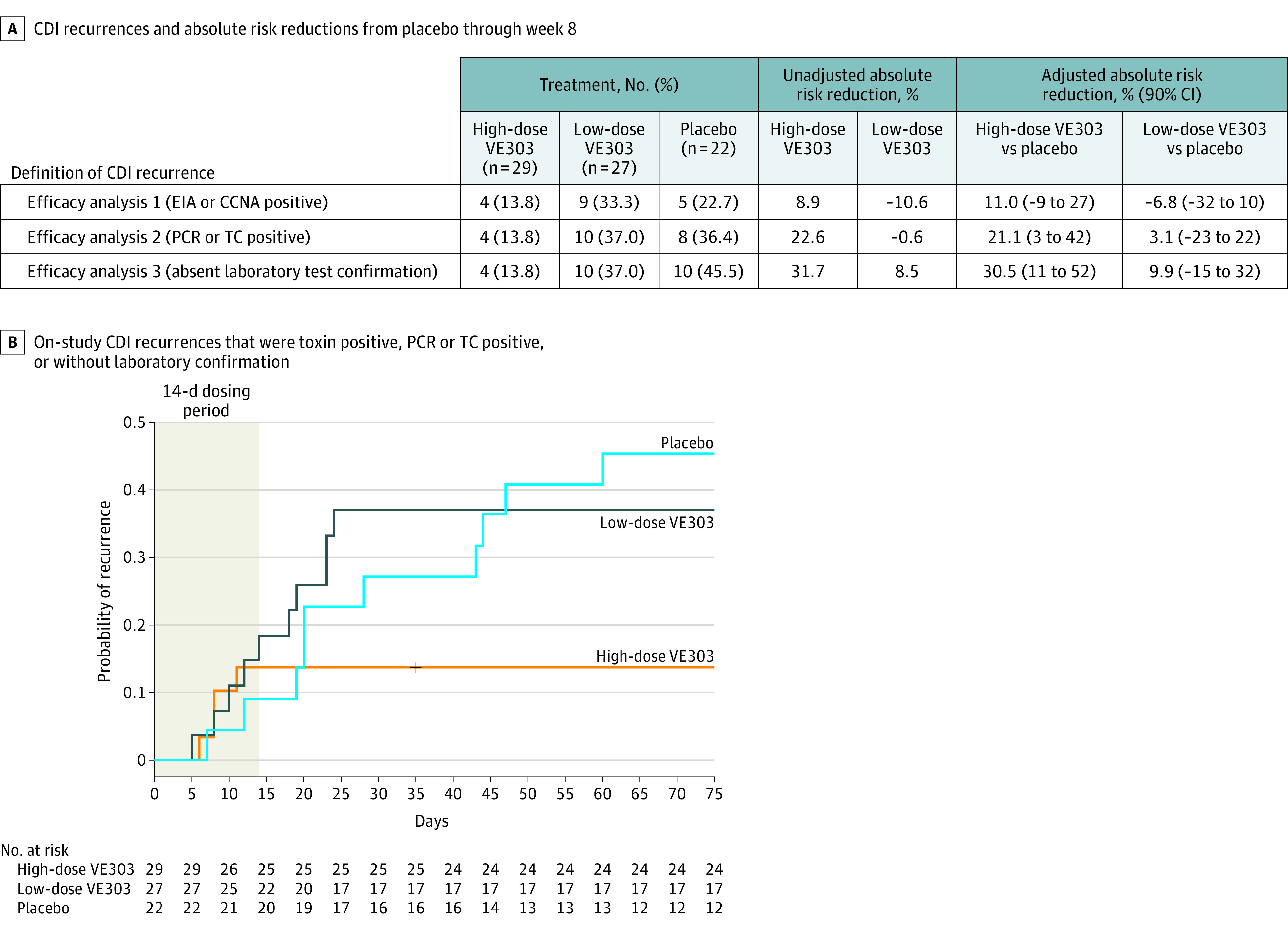
Results: Baseline characteristics were similar across the high-dose VE303 (n = 29; 1 additional participant excluded from efficacy analysis), low-dose VE303 (n = 27), and placebo (n = 22) groups. The participants' median age was 63.5 years (range, 24-96); 70.5% were female; and 1.3% were Asian, 1.3% Black, 2.6% Hispanic, and 96.2% White. CDI recurrence rates through week 8 (using the efficacy analysis 3 definition) were 13.8% (4/29) for high-dose VE303, 37.0% (10/27) for low-dose VE303, and 45.5% (10/22) for placebo (P = .006, high-dose VE303 vs placebo).

Conclusions and relevance: Among adults with laboratory-confirmed CDI with 1 or more prior CDI episodes in the last 6 months and those with primary CDI at high risk for recurrence, high-dose VE303 prevented recurrent CDI compared with placebo. A larger, phase 3 study is needed to confirm these findings.

Trial registration: ClinicalTrials.gov Identifier: NCT03788434.


Conflict of interest statement

Conflict of Interest Disclosures: Dr Louie reported receiving grants and personal fees from Seres Therapeutics, Finch Therapeutics, Adiso Therapeutics, Summit PLC, Rebiotix/Ferring, Crestone, Vedanta Biosciences, and ImmuniMed. Dr Golan reported receiving consulting fees from Vedanta Biosciences, Ferring Pharmaceuticals, and Seres Therapeutics, and honoraria for speaking from Pfizer, Merck, Paratek, Shionogi, AbbVie, and Sanofi. Dr Khanna reported receiving grants from Rebiotix/Ferring, Vedanta Biosciences, Finch Therapeutics, Seres Therapeutics, and Pfizer; personal fees from ProbioTech USA and Niche Pharma; and consulting fees from Shire/Takeda and Immuron. Dr Bobilev reported being an employee of Vedanta Biosciences. Dr Erpelding reported being an employee of Vedanta Biosciences. Dr Fratazzi reported being an employee of Vedanta Biosciences at the time of the study. Ms Carini reported being an employee of Vedanta Biosciences. Dr Menon reported having stock options from Vedanta Biosciences as an employee; in addition, Dr Menon had a patent for US 20220143108A1 pending. Dr Ruisi reported being an employee of Vedanta Biosciences and having stock ownership from Bristol Myers Squibb. Dr Norman reported being an employee of Vedanta Biosciences and owning stock options; in addition, Dr Norman had a patent for US-2017-0354697-A1 (Treatment of Clostridium Difficile Infection) issued and a patent for US-2022-0143108-A1 (Methods of Decreasing Dysbiosis and Restoring a Microbiome) pending. Dr Faith reported receiving personal fees from Vedanta Biosciences and Innovation Pharmaceuticals and grants from Janssen Research & Development. Dr Olle reported being an employee of Vedanta Biosciences; in addition, Dr Olle had a patent for Vedanta Biosciences issued on composition of matter and methods of use of VE303 and Vedanta Biosciences received funding from CARB-X for the conduct of the phase 1 study that preceded the phase 2 that is the subject of the current article. Dr Silber reported being an employee of and having stock options from Vedanta Biosciences. Dr Pardi reported receiving grants and personal fees from Seres Therapeutics, Finch Therapeutics, Applied Molecular Transport, Otsuka, Ferring Pharmaceuticals, Vedanta Biosciences, and Immunic Therapeutics, Takeda, AbbVie, Rise Therapeutics, Boehringer Ingelheim, Summit, and Phathom Pharmaceuticals. No other disclosures were reported.

Figures

Figure 1.
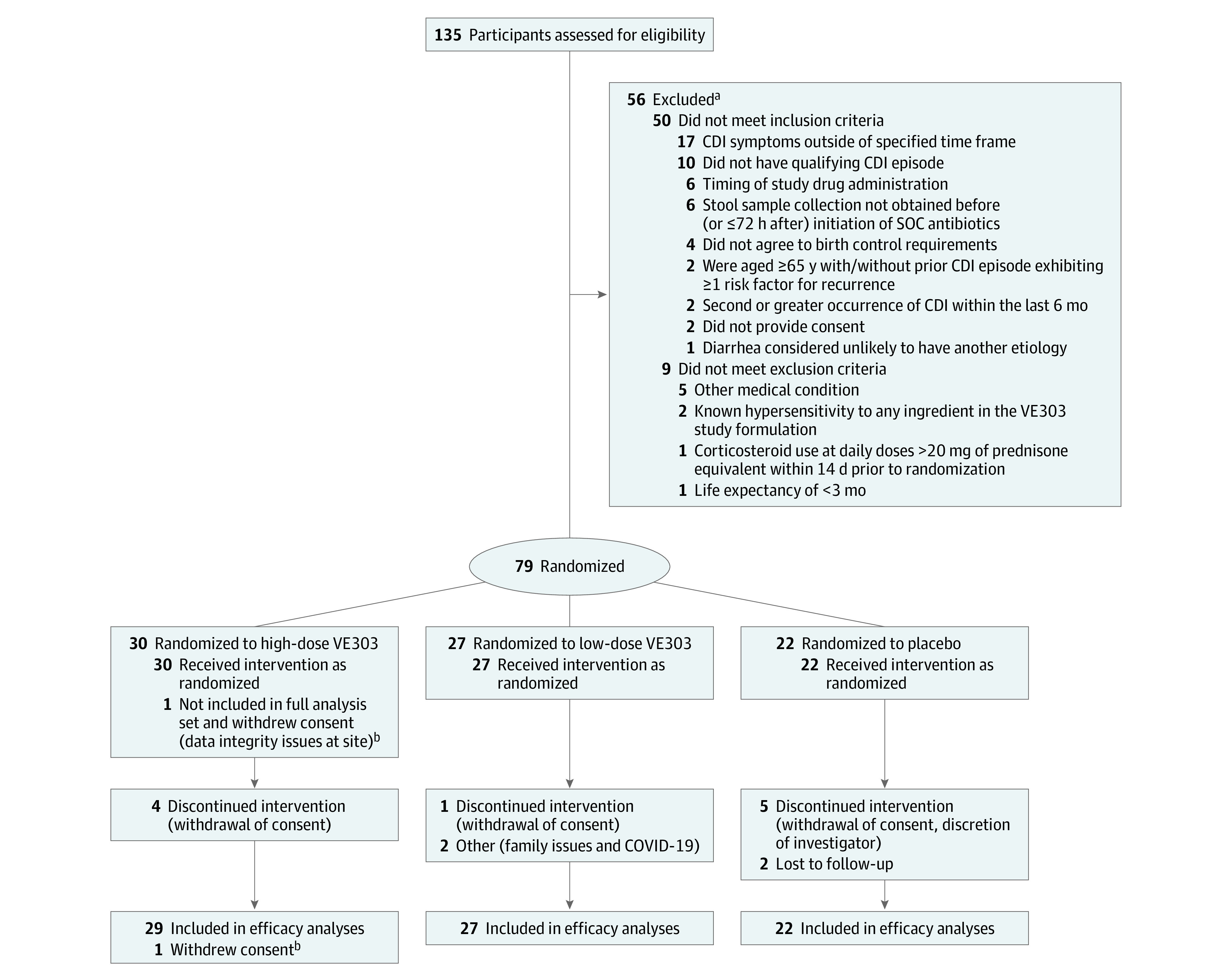
Figure 1.. Screening, Randomization, and Follow-up Through Week 24
CDI indicates Clostridioides difficile infection; SOC, standard of care. aThe number of reasons for exclusion exceed the number excluded because individuals could have had multiple reasons for not enrolling in the study. bData integrity issues at 1 study site led to 1 participant being excluded from the full analysis set and from all analyses of efficacy and strain colonization; this participant was included in the safety analysis set.
Figure 2.
Figure 2.. Recurrence Rates of Clostridioides difficile Infection (CDI) Through Week 8
A, Two participants with on-study recurrences were included only in efficacy analysis 3: both participants were assigned to the placebo group and had stool samples taken on day 12 and day 14 following their suspected on-study CDI recurrence. Laboratory tests for these 2 samples were negative, but both participants were treated with antibiotics based on clinical symptoms; thus, both participants were included in the efficacy analysis. Adjustment was for the stratification factors. B, Participants in the high-dose VE303 group had fewer recurrences (4/29 [13.8%]) than participants in the placebo group (10/22 [45.5%]) (adjusted absolute risk reduction, 30.5% [90% CI, 11% to 52%]; P = .006). Recurrence rates in the low-dose VE303 group (10/27 [37.0%]) were comparable with those in the placebo group (adjusted absolute risk reduction, 9.9% [90% CI, −15% to 32%]; P = .30). Per the prespecified statistical analysis plan, study week 8 included recurrences with onset up to day 63. CCNA indicates cell cytotoxicity neutralization assay; EIA, enzyme immunoassay; PCR, polymerase chain reaction; and TC, toxigenic culture.
Figure 3.
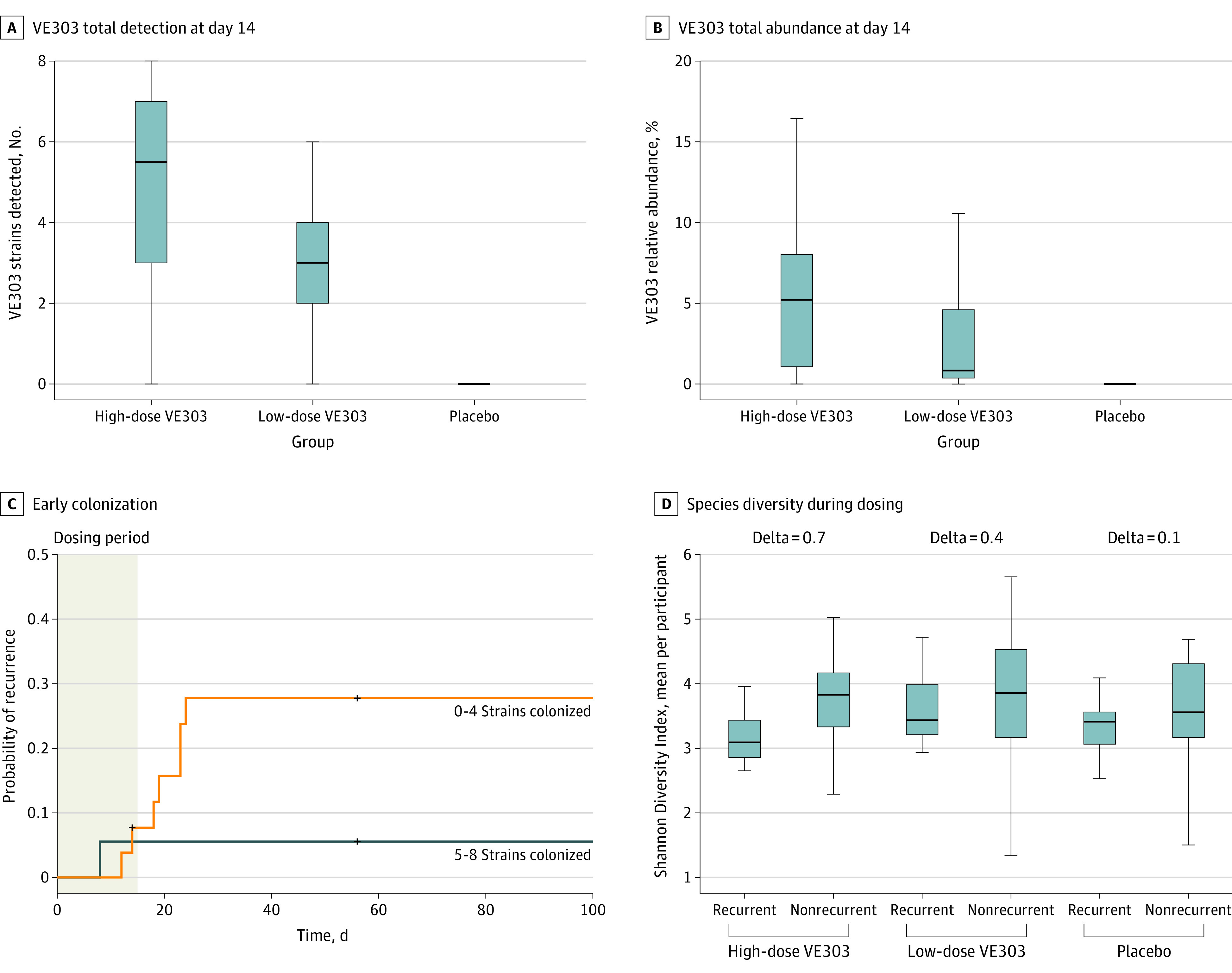
Figure 3.. VE303 Strain Colonization and Fecal Microbiome Diversity
Total VE303 strain detection (A) and total VE303 strain relative abundance (B) at the end of dosing were significantly increased in VE303-dosed groups compared with the placebo group (P < .001, Wilcoxon test). C, In VE303 recipients, higher colonization (5 to 8 strains colonized) at the end of dosing was associated with a lower Clostridioides difficile infection recurrence rate and lower probability of recurrence (log-rank test, P = .08, hazard ratio for low colonization/high colonization = 5.32). D, Species alpha diversity during the 2 weeks after antibiotic treatment, shown as the time-averaged Shannon Diversity Index per participant, was associated with clinical efficacy (P = .02, linear mixed-effects model for all treatment groups). All individual participants are plotted. The box-and-whisker plots depict the median (lines within the boxes), IQR (top and bottom of the boxes), and reasonable extreme values at 1.5 × IQR in the data set (where the vertical lines end).

References

    1. Guh AY, Mu Y, Winston LG, et al. ; Emerging Infections Program Clostridioides difficile Infection Working Group . Trends in US burden of Clostridioides difficile infection and outcomes. N Engl J Med. 2020;382(14):1320-1330. doi:10.1056/NEJMoa1910215 - DOI - PMC - PubMed
    1. Lofgren ET, Cole SR, Weber DJ, Anderson DJ, Moehring RW. Hospital-acquired Clostridium difficile infections: estimating all-cause mortality and length of stay. Epidemiology. 2014;25(4):570-575. doi:10.1097/EDE.0000000000000119 - DOI - PMC - PubMed
    1. Feuerstadt P, Das R, Brandt LJ. The evolution of urban C difficile infection (CDI): CDI in 2009-2011 is less severe and has better outcomes than CDI in 2006-2008. Am J Gastroenterol. 2014;109(8):1265-1276. doi:10.1038/ajg.2014.167 - DOI - PubMed
    1. Britton RA, Young VB. Role of the intestinal microbiota in resistance to colonization by Clostridium difficile. Gastroenterology. 2014;146(6):1547-1553. doi:10.1053/j.gastro.2014.01.059 - DOI - PMC - PubMed
    1. Kelly CP. Can we identify patients at high risk of recurrent Clostridium difficile infection? Clin Microbiol Infect. 2012;18(suppl 6):21-27. doi:10.1111/1469-0691.12046 - DOI - PubMed

Publication types

MeSH terms

Associated data