


Effects of phosphogypsum on enzyme activity and microbial community in acid soil
- PMID: 37062764
- PMCID: PMC10106453
- DOI: 10.1038/s41598-023-33191-2
Effects of phosphogypsum on enzyme activity and microbial community in acid soil
Abstract
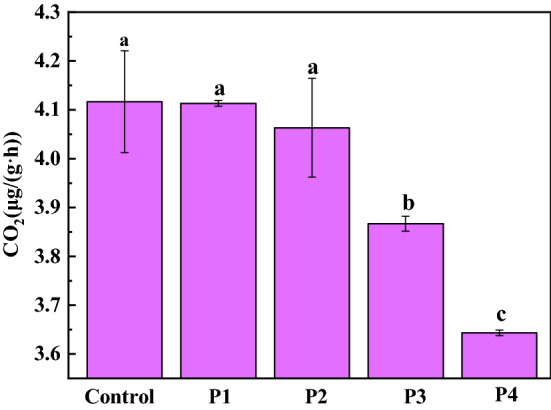
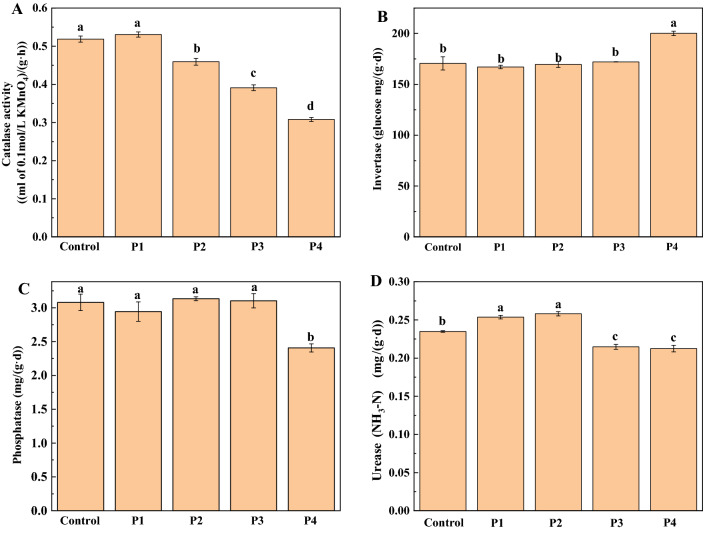
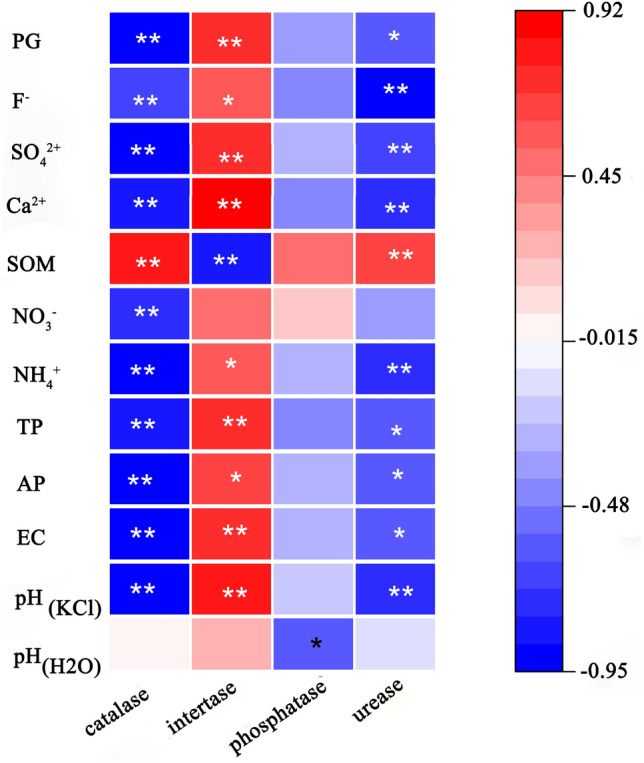
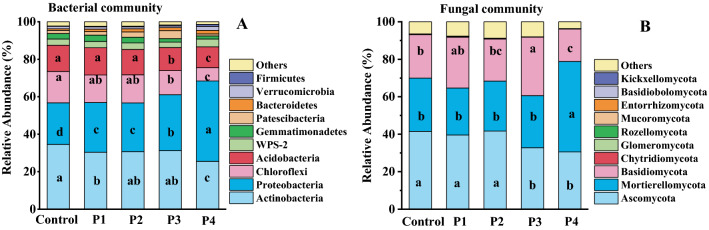
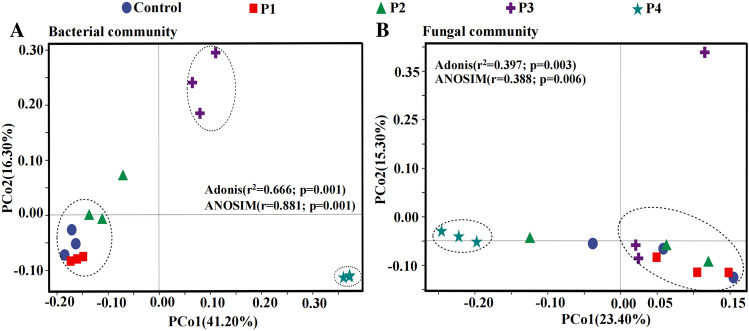
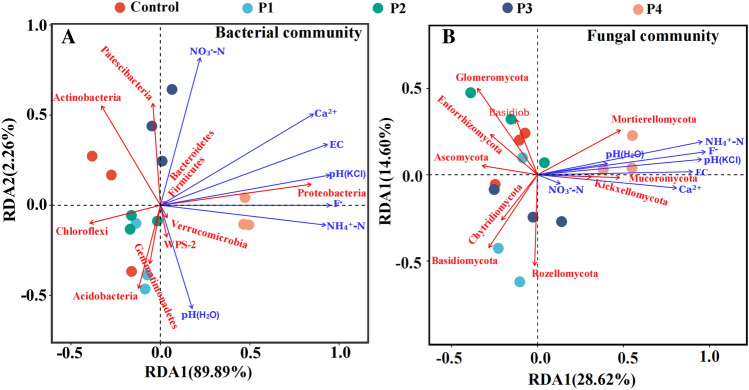
Phosphogypsum (PG) is a solid waste produced from decomposition of phosphate rock in sulfuric acid. It can improve the physicochemical properties of soil. However, the application of PG will inevitably change the living environment of soil microorganisms and lead to the evolution of the soil microbial community. The effects of PG (0, 0.01%, 0.1%, 1%, 10% PG) on soil respiration, enzyme activity and microbial community were studied systematically by indoor incubation experiments. The results showed that the addition of 0.01% PG had little effect on the soil physicochemical properties and microflora. The soil respiration rate decreased with the increase of PG; The activities of catalase, urease and phosphatase were decreased and the activities of sucrase were increased by 10% PG treatment, while 0.01% or 0.1% PG treatment improve the urease activity; Soil microbial community response was significantly separated by amount of the PG amendment, and the application of 10% PG reduced the abundance, diversity and evenness of soil bacteria and fungi. Redundancy analysis (RDA) showed that soil bacterial composition was mainly driven by electrical conductivity (EC) and Ca2+, while fungal composition was mainly driven by F- and NH4+. In addition, the application of PG increased the abundance of salt-tolerant microorganisms and accelerated the degradation of soil organic matter. Overall, These results can help to revisit the current management of PG applications as soil amendments.
© 2023. The Author(s).
Conflict of interest statement
The authors declare no competing interests.
Figures
References
-
- Wu F, et al. Highly targeted solidification behavior of hazardous components in phosphogypsum. Chem. Eng. J. Adv. 2022;9:100227. doi: 10.1016/j.ceja.2021.100227. - DOI
-
- He H, Hao L, Fan C, Li S, Lin W. A two-step approach to phosphogypsum decomposition: oxidation of CaS with CO2. Thermochim. Acta. 2022;708:179122. doi: 10.1016/j.tca.2021.179122. - DOI
-
- Cao W, Yi W, Peng J, Li G, Yin S. Preparation of anhydrite from phosphogypsum: Influence of phosphorus and fluorine impurities on the performances. Constr. Build. Mater. 2022;318:126021. doi: 10.1016/j.conbuildmat.2021.126021. - DOI
-
- Cuadri AA, Pérez-Moreno S, Altamar CL, Navarro FJ, Bolívar JP. Phosphogypsum as additive for foamed bitumen manufacturing used in asphalt paving. J. Clean. Prod. 2020;283:124661. doi: 10.1016/j.jclepro.2020.124661. - DOI
-
- Modolon V, Jos F, Eduardo F. Does direct-seeded rice performance improve upon lime and phosphogypsum use? Soil Tillage Res. 2021;212:105055. doi: 10.1016/j.still.2021.105055. - DOI
Publication types
MeSH terms
Substances
LinkOut - more resources
Full Text Sources
Miscellaneous
