


Shengjiang San alleviated sepsis-induced lung injury through its bidirectional regulatory effect
- PMID: 37062835
- PMCID: PMC10108513
- DOI: 10.1186/s13020-023-00744-6
Shengjiang San alleviated sepsis-induced lung injury through its bidirectional regulatory effect
Erratum in
-
Correction: Shengjiang San alleviated sepsis-induced lung injury through its bidirectional regulatory effect.Chin Med. 2023 May 15;18(1):55. doi: 10.1186/s13020-023-00760-6. Chin Med. 2023. PMID: 37189163 Free PMC article. No abstract available.
Abstract
Background: Sepsis is a life-threatening organ dysfunction caused by dysregulated host responses to infection, for which effective therapeutic strategies are still absent. Shengjiang San (SJS), a well-known Traditional Chinese Medicine formula, has been widely used clinically. However, its role in sepsis-induced lung injury remains unclear.
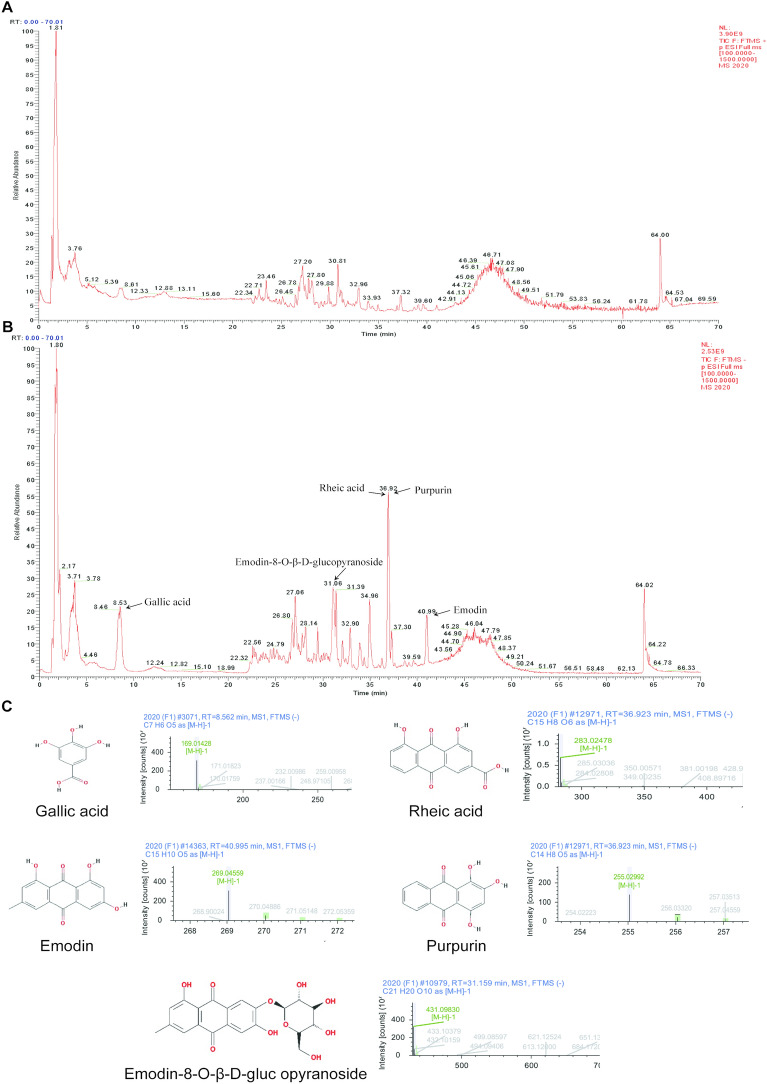
Methods: To explore its specific mechanism, we firstly established a sepsis animal model using cecal ligation and puncture (CLP) and treated MH-S cells with LPS plus ATP. Then, UPLC/Q-TOF-MS/MS was utilized to identify its active ingredients. Network pharmacology analysis was performed to uncover the potential mechanism. HE staining and biochemical analysis were conducted to validate its therapeutic effect. ELISA was applied to detect the release of pro-inflammatory and anti-inflammatory cytokines. Western blot was utilized to detect the protein levels of GSDMD, NLRP3, P65, ASC and caspase-1.
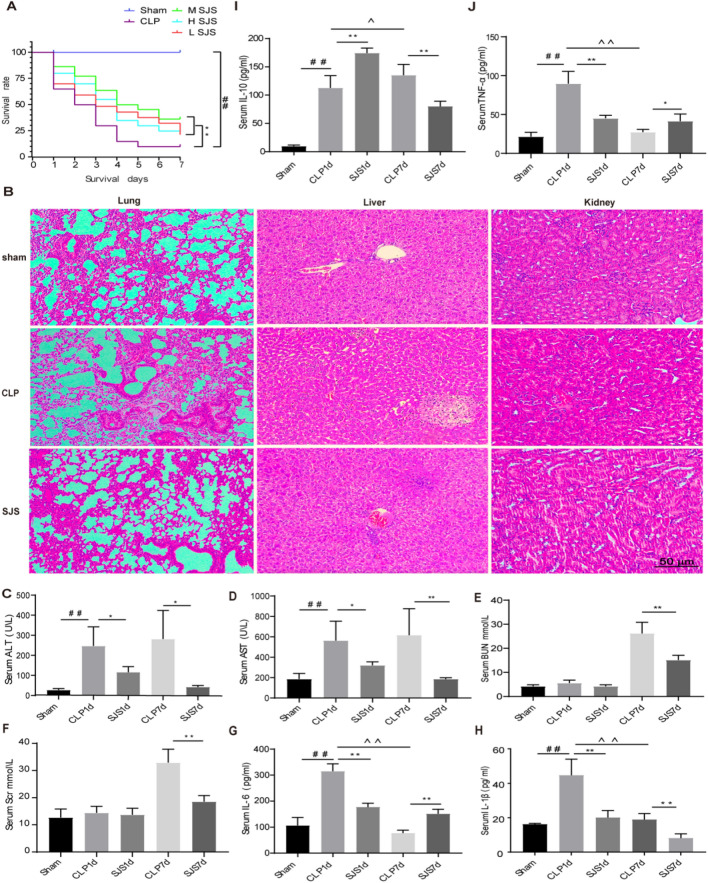
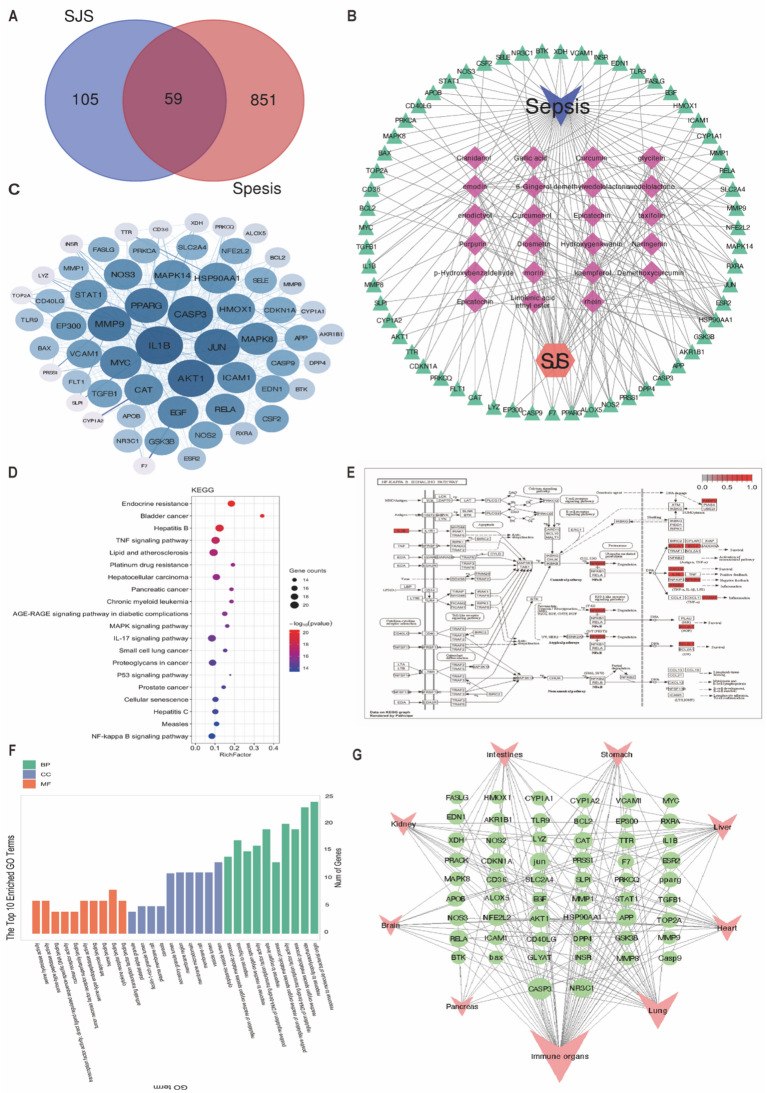
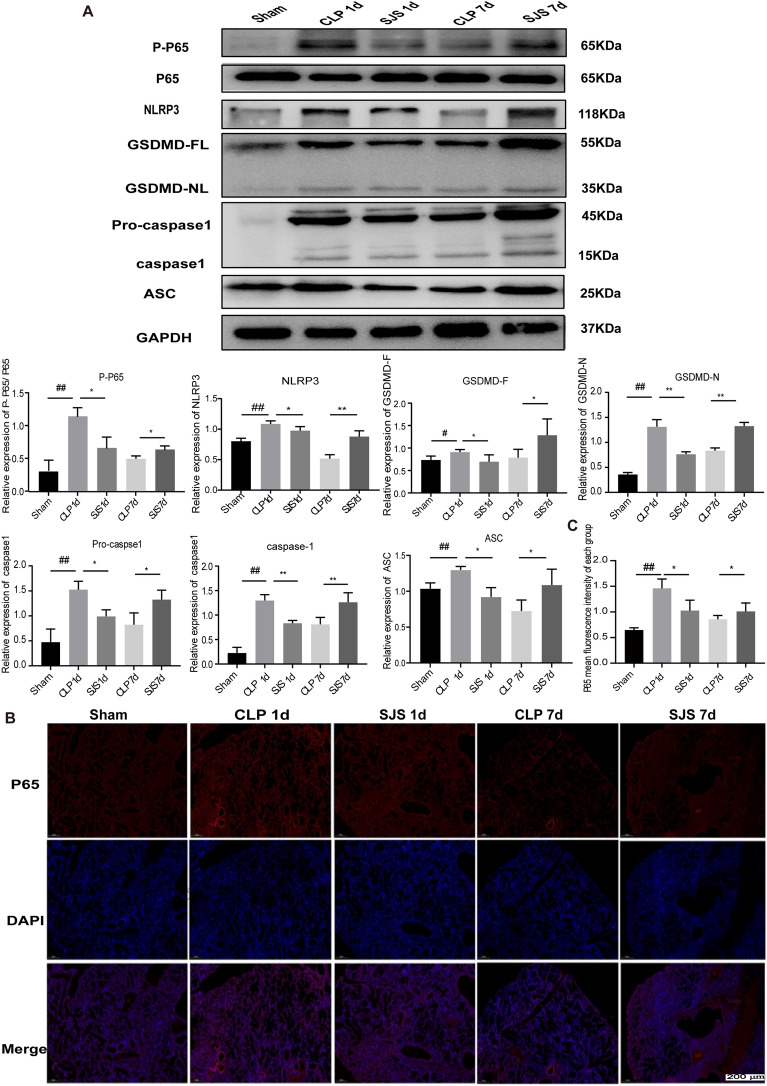
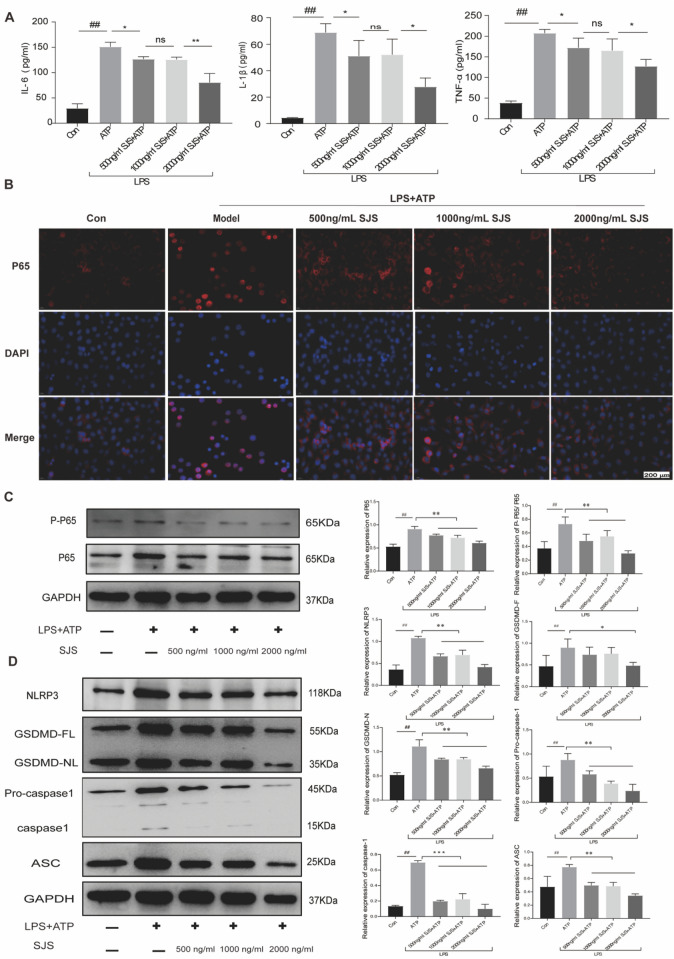
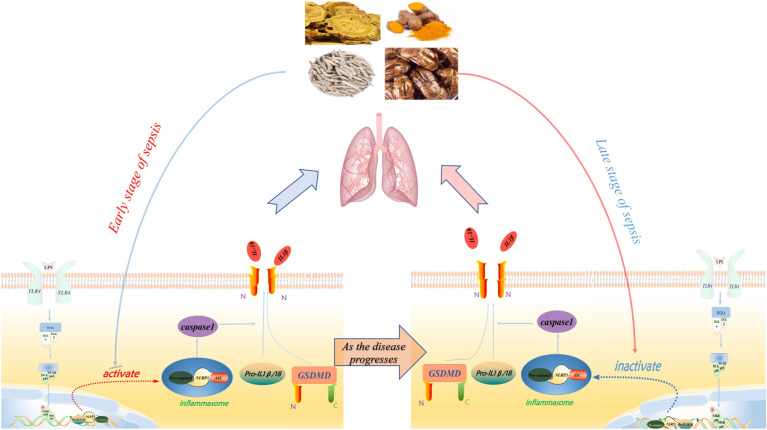
Results: SJS could dramatically increase the survival rate of sepsis. In addition, it is able to inhibit the pro-inflammatory cytokines release at day 1 post CLP while promote their production at day 7, indicating SJS could attenuate uncontrolled inflammatory response in the early stage and improve immunosuppression in the late phase. Network pharmacology analysis showed that pyroptosis is the crucial action SJS exerted in the protection of sepsis-induced lung injury. Western blot data implicated SJS could attenuate pyroptosis in early sepsis while enhance in the late phase.
Conclusions: SJS acted to alleviate sepsis-induced lung injury through its bidirectional regulatory effect.
Keywords: Lung injury; Network pharmacology; Pyroptosis; Sepsis; Shengjiang San.
© 2023. The Author(s).
Conflict of interest statement
The authors declare that the research was conducted in the absence of any commercial or financial relationships that could be construed as a potential conflict of interest.
Figures
References
Grants and funding
LinkOut - more resources
Full Text Sources
Miscellaneous
