


Effectiveness of protective thyroid shield in chest X-ray imaging
- PMID: 37065502
- PMCID: PMC10089664
- DOI: 10.1016/j.radphyschem.2023.110965
Effectiveness of protective thyroid shield in chest X-ray imaging
Abstract
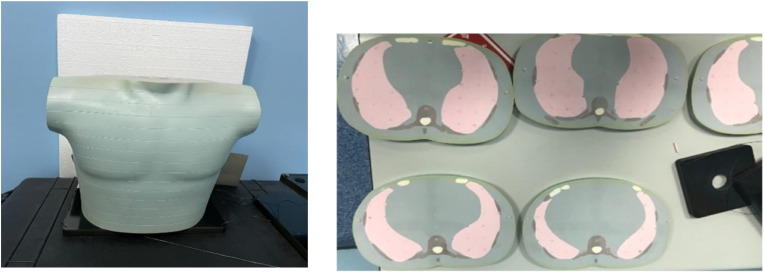
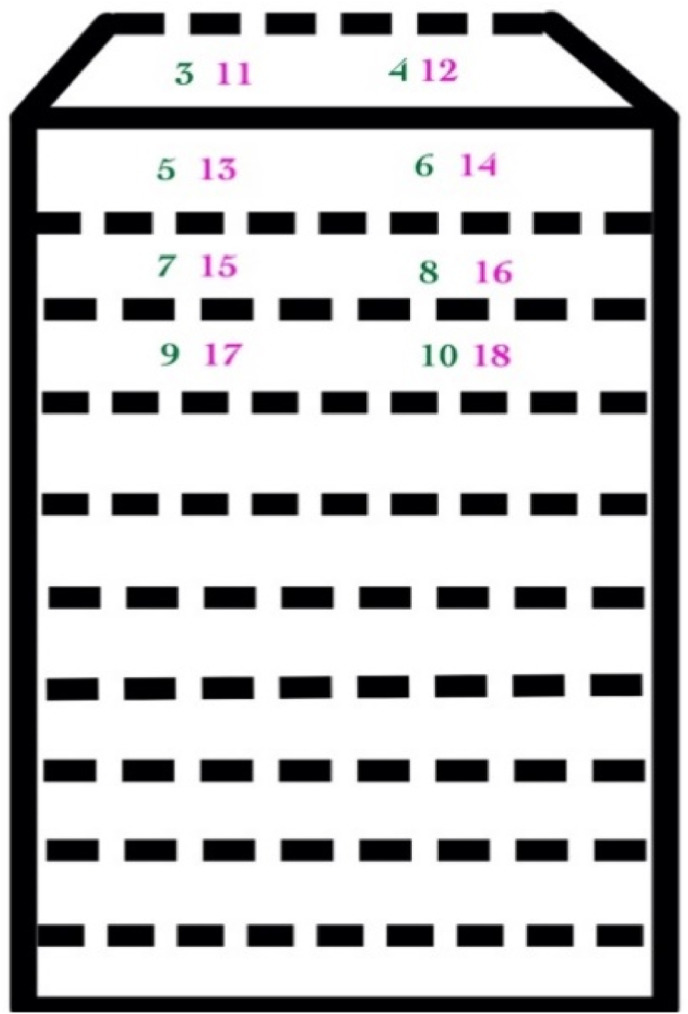
Chest X-ray imaging is the most common X-ray imaging method for diagnosing coronavirus disease. The thyroid gland is one of the most radiation-sensitive organs of the body, particularly in infants and children. Therefore, it must be protected during chest X-ray imaging. Yet, because it has benefits and drawbacks, using a thyroid shield as protection during chest X-ray imaging is still up for debate.Therefore, this study aims to clarify the need for using a protective thyroid shield during chest X-ray imaging. This study was performed using different dosimeters (silica beads as a thermoluminescent dosimeter and an optically stimulated luminance dosimeter) embedded in an adult male ATOM dosimetric phantom. The phantom was irradiated using a portable X-ray machine with and without thyroid shielding. The dosimeter readings indicated that a thyroid shield reduced the radiation dose to the thyroid gland by 69% ± 18% without degrading the obtained radiograph. The use of a protective thyroid shield during chest X-ray imaging is recommended because its benefits outweigh the risks.
Keywords: Chest X-ray; Dosimetry; Optically stimulated luminance; Radiation protection; Shielding; Thyroid region.
© 2023 Elsevier Ltd. All rights reserved.
Conflict of interest statement
The authors declare that they have no known competing financial interests or personal relationships that could have appeared to influence the work reported in this paper.
Figures

References
-
- Hohl C., et al. Radiation dose reduction to breast and thyroid during MDCT: effectiveness of an in-plane bismuth shield. Acta. Radiologica. Taylor & Francis. 2006;47(6):562–567. - PubMed
LinkOut - more resources
Full Text Sources