


Value of handcrafted and deep radiomic features towards training robust machine learning classifiers for prediction of prostate cancer disease aggressiveness
- PMID: 37069257
- PMCID: PMC10110526
- DOI: 10.1038/s41598-023-33339-0
Value of handcrafted and deep radiomic features towards training robust machine learning classifiers for prediction of prostate cancer disease aggressiveness
Abstract
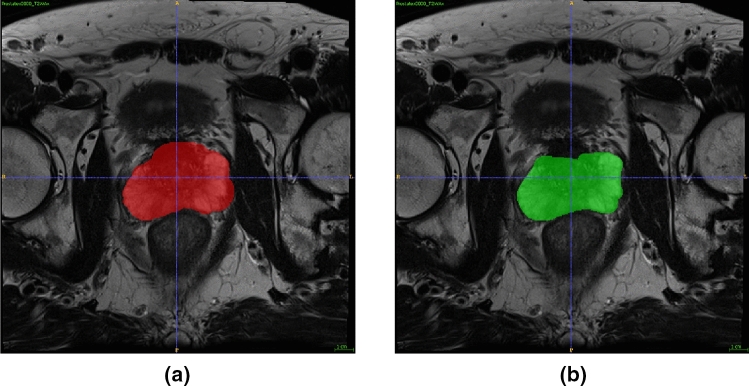
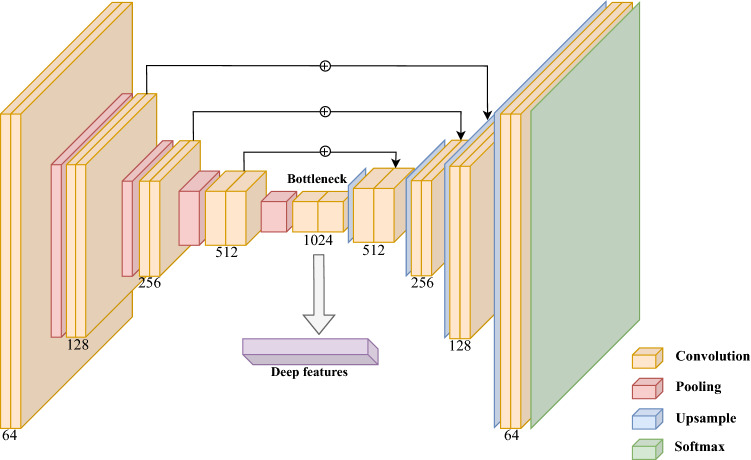
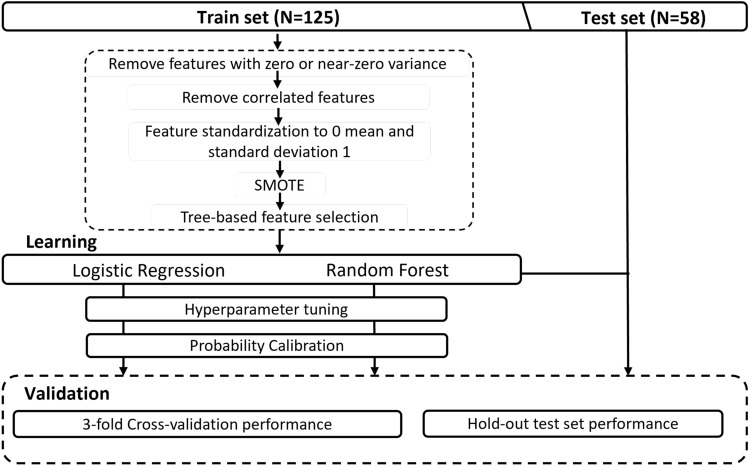
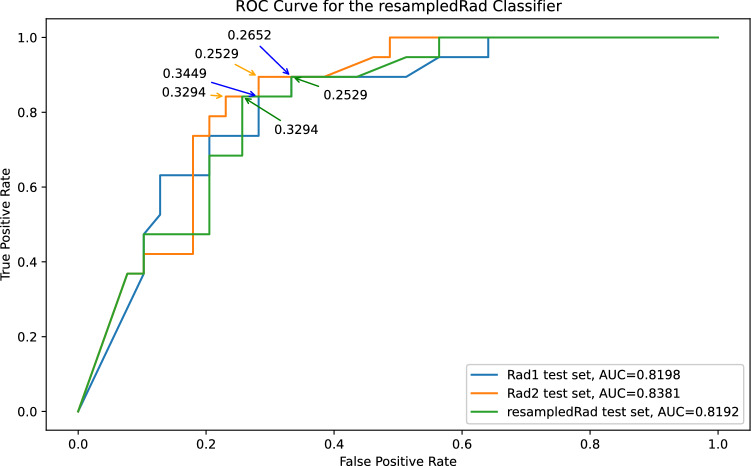
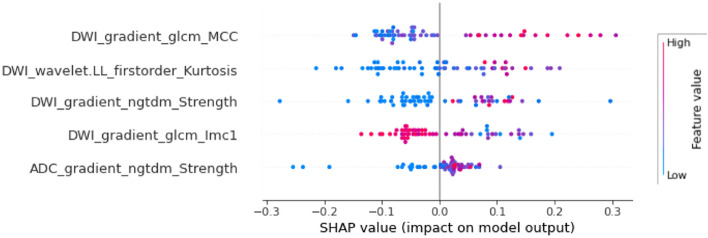
There is a growing piece of evidence that artificial intelligence may be helpful in the entire prostate cancer disease continuum. However, building machine learning algorithms robust to inter- and intra-radiologist segmentation variability is still a challenge. With this goal in mind, several model training approaches were compared: removing unstable features according to the intraclass correlation coefficient (ICC); training independently with features extracted from each radiologist's mask; training with the feature average between both radiologists; extracting radiomic features from the intersection or union of masks; and creating a heterogeneous dataset by randomly selecting one of the radiologists' masks for each patient. The classifier trained with this last resampled dataset presented with the lowest generalization error, suggesting that training with heterogeneous data leads to the development of the most robust classifiers. On the contrary, removing features with low ICC resulted in the highest generalization error. The selected radiomics dataset, with the randomly chosen radiologists, was concatenated with deep features extracted from neural networks trained to segment the whole prostate. This new hybrid dataset was then used to train a classifier. The results revealed that, even though the hybrid classifier was less overfitted than the one trained with deep features, it still was unable to outperform the radiomics model.
© 2023. The Author(s).
Conflict of interest statement
The authors declare no competing interests.
Figures
References
Publication types
MeSH terms
Supplementary concepts
LinkOut - more resources
Full Text Sources
Medical
