


Caregivers of patients with malignant pleural mesothelioma: who provides care, what care do they provide and what burden do they experience?
- PMID: 37097405
- PMCID: PMC10393857
- DOI: 10.1007/s11136-023-03410-4
Caregivers of patients with malignant pleural mesothelioma: who provides care, what care do they provide and what burden do they experience?
Abstract
Purpose: There are limited data on the impact of caregiving for patients with malignant pleural mesothelioma (MPM) on the caregiver. We aimed to identify the demographic characteristics of these caregivers, the caregiving activities they perform and how caregiving burden impacts their work productivity and overall activity.
Methods: This cross-sectional study collected data from caregivers of patients with MPM across France, Italy, Spain and the United Kingdom January-June 2019. Caregiver demographics, daily caregiving tasks and the impact of caregiving on physical health was collected via questionnaire. The Zarit Burden Interview (ZBI) was used to assess caregiver burden and the Work Productivity and Activity Impairment questionnaire (WPAI) assessed impairment at work and during daily activities. Analyses were descriptive.
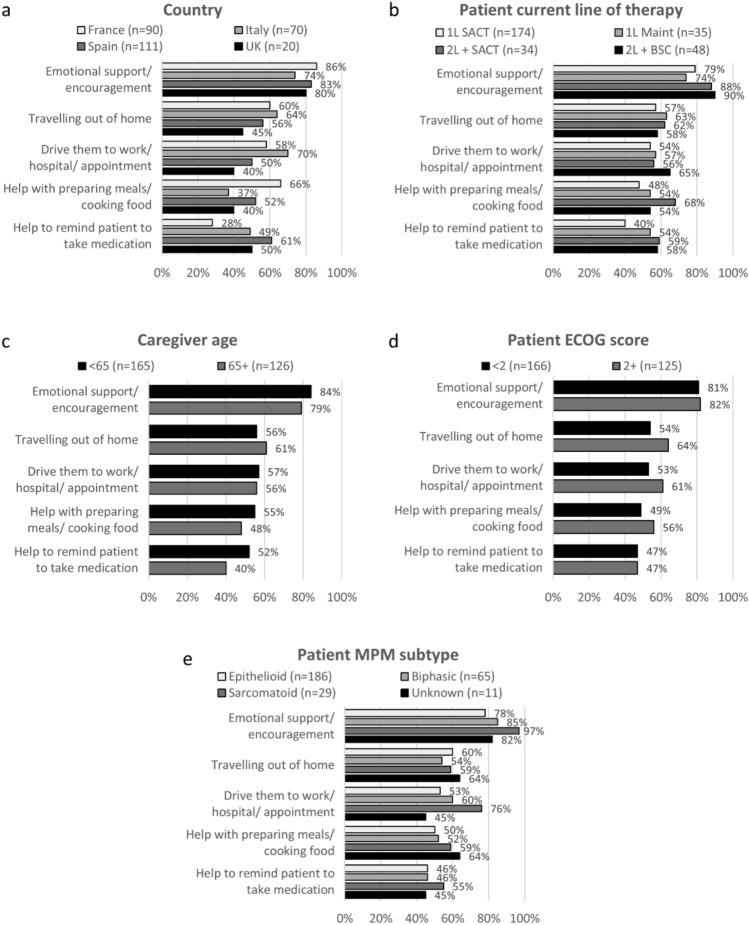
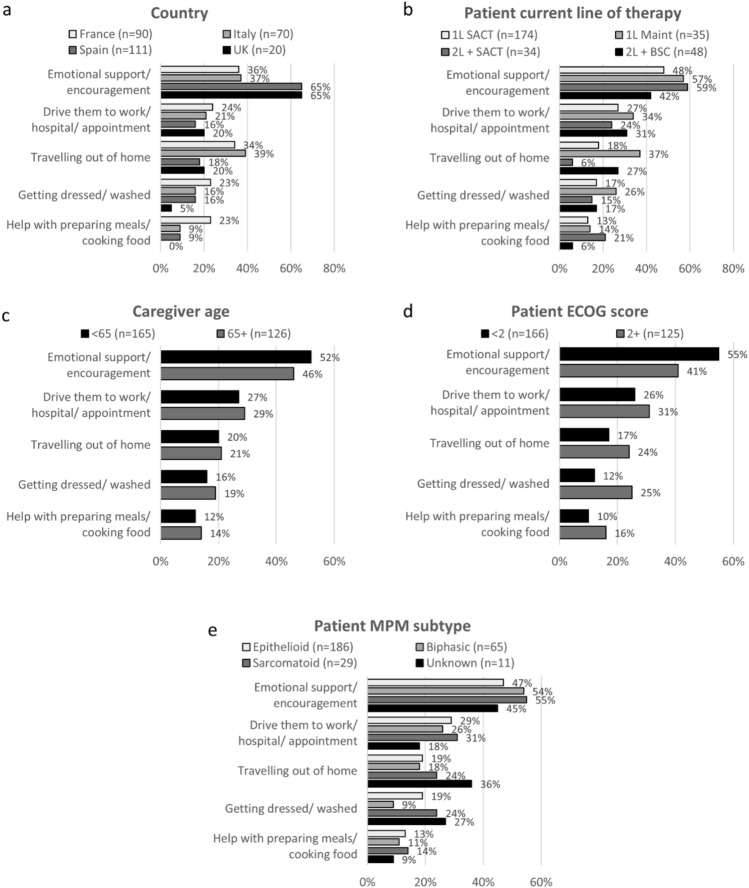
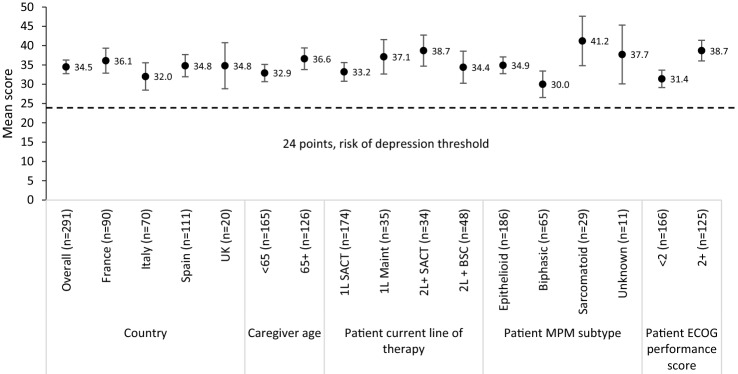
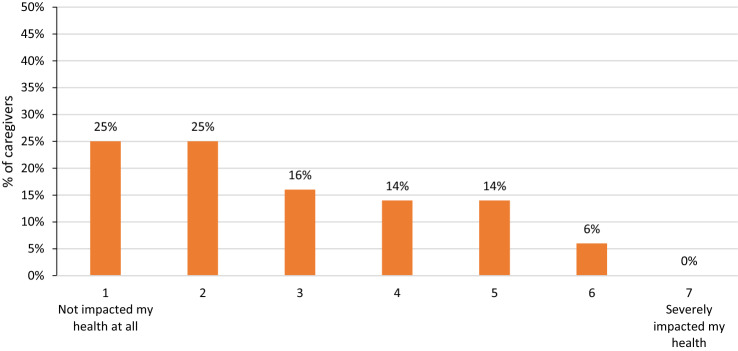
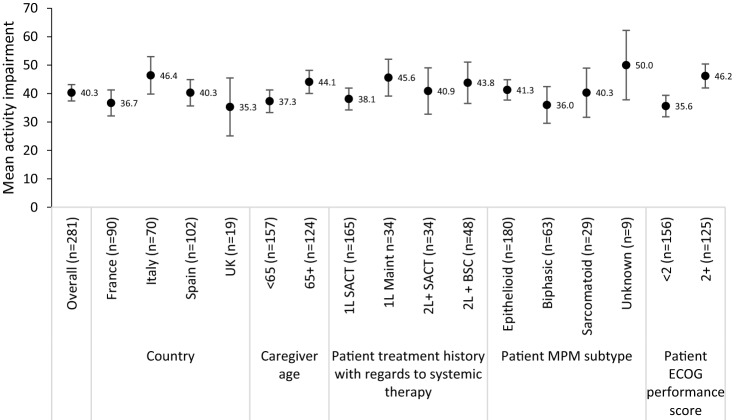
Results: Overall, 291 caregivers provided data. Caregivers were mostly female (83%), living with the patient (82%) and their partner/spouse (71%). Caregivers provided over five hours of daily emotional/physical support to patients. ZBI scores indicated 74% of caregivers were at risk of developing depression. Employed caregivers had missed 12% of work in the past seven days, with considerable presenteeism (25%) and overall work impairment (33%) observed. Overall, the mean activity impairment was 40%.
Conclusion: Caregivers provide essential care for those with MPM. We show caregiving for patients with MPM involves a range of burdensome tasks that impact caregivers' emotional health and work reflected in ZBI and WPAI scores. Innovations in the management of MPM must account for how caregivers may be impacted and can be supported to carry out this important role.
Keywords: Caregiver burden; Malignant; Mesothelioma; Patient care; Quality of life.
© 2023. The Author(s).
Conflict of interest statement
MD and BB are employees of Bristol Myers Squibb. GT and AM are employees of Adelphi Real World and were paid consultants to Bristol Myers Squibb in connection with the development of this manuscript.
Figures
References
-
- Corfiati M, Scarselli A, Binazzi A, Di Marzio D, Verardo M, Mirabelli D, Gennaro V, Mensi C, Schallemberg G, Merler E, Negro C, Romanelli A, Chellini E, Silvestri S, Cocchioni M, Pascucci C, Stracci F, Romeo E, Trafficante L, Angelillo I, Menegozzo S, Musti M, Cavone D, Cauzillo G, Tallarigo F, Tumino R, Melis M, Iavicoli S, Marinaccio A, ReNa MWG. Epidemiological patterns of asbestos exposure and spatial clusters of incident cases of malignant mesothelioma from the Italian national registry. BMC Cancer. 2015;15:286. - PMC - PubMed
-
- Reid A, de Klerk NH, Magnani C, Ferrante D, Berry G, Musk AW, Merler E. Mesothelioma risk after 40 years since first exposure to asbestos: A pooled analysis. Thorax. 2014;69(9):843–850. - PubMed
-
- Wilk E, Krowczynska M. Malignant mesothelioma and asbestos exposure in Europe: Evidence of spatial clustering. Geospat Health. 2021;16(1):91–102. - PubMed
-
- Beckett P, Edwards J, Fennell D, Hubbard R, Woolhouse I, Peake MD. Demographics, management and survival of patients with malignant pleural mesothelioma in the national lung cancer audit in England and Wales. Lung Cancer. 2015;88(3):344–348. - PubMed
MeSH terms
LinkOut - more resources
Full Text Sources
Medical
Miscellaneous
