


Water treatment and reclamation by implementing electrochemical systems with constructed wetlands
- PMID: 37101565
- PMCID: PMC10123341
- DOI: 10.1016/j.ese.2023.100265
Water treatment and reclamation by implementing electrochemical systems with constructed wetlands
Abstract
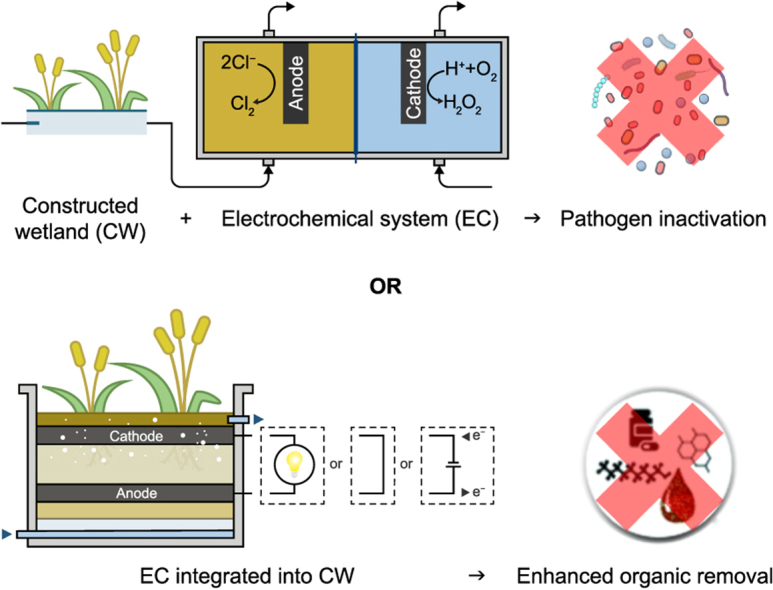
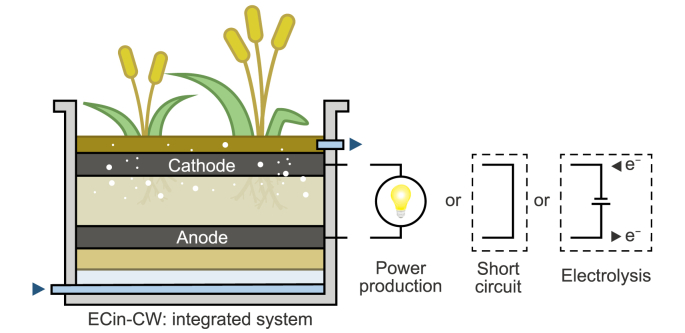
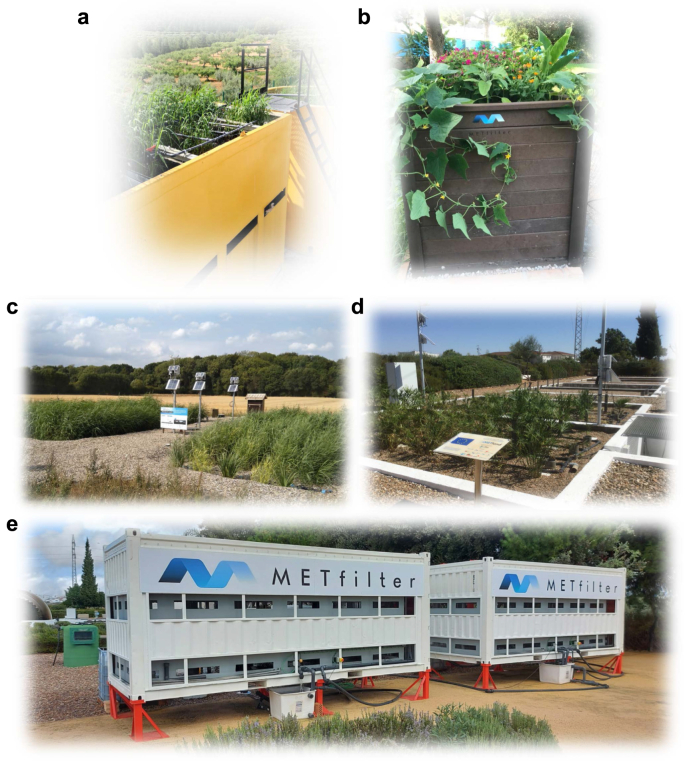
Seasonal or permanent water scarcity in off-grid communities can be alleviated by recycling water in decentralized wastewater treatment systems. Nature-based solutions, such as constructed wetlands (CWs), have become popular solutions for sanitation in remote locations. Although typical CWs can efficiently remove solids and organics to meet water reuse standards, polishing remains necessary for other parameters, such as pathogens, nutrients, and recalcitrant pollutants. Different CW designs and CWs coupled with electrochemical technologies have been proposed to improve treatment efficiency. Electrochemical systems (ECs) have been either implemented within the CW bed (ECin-CW) or as a stage in a sequential treatment (CW + EC). A large body of literature has focused on ECin-CW, and multiple scaled-up systems have recently been successfully implemented, primarily to remove recalcitrant organics. Conversely, only a few reports have explored the opportunity to polish CW effluents in a downstream electrochemical module for the electro-oxidation of micropollutants or electro-disinfection of pathogens to meet more stringent water reuse standards. This paper aims to critically review the opportunities, challenges, and future research directions of the different couplings of CW with EC as a decentralized technology for water treatment and recovery.
Keywords: Advanced oxidation; Decentralized systems; Disinfection; Electrification; Sanitation and reuse.
© 2023 The Authors.
Conflict of interest statement
The authors declare that they have no known competing financial interests or personal relationships that could have appeared to influence the work reported in this paper.
Figures





References
-
- FAO . 2007. Coping with Water Scarcity, Challenge of the Twenty-First Century.
-
- JMP . WHO/UNICEF Joint Monitoring Programme for Water Supply and Sanitation; 2015. 2015 Annual Report.
-
- Saquib S., Gupta A., Joshi A. first ed. Elsevier Inc.; 2022. Emerging Water Crisis: Impact of Urbanization on Water Resources and Constructed Wetlands as a Nature-Based Solution (NbS) - DOI
-
- Yang S.-Q. 2022. World Water Crisis and Possible Solutions. - DOI
-
- Siegrist R.L. 2017. Decentralized Water Reclamation Engineering. - DOI
LinkOut - more resources
Full Text Sources
