


Cytotoxic lesion of the corpus callosum in pediatrics: A case report
- PMID: 37101890
- PMCID: PMC10123321
- DOI: 10.1016/j.radcr.2023.02.053
Cytotoxic lesion of the corpus callosum in pediatrics: A case report
Abstract
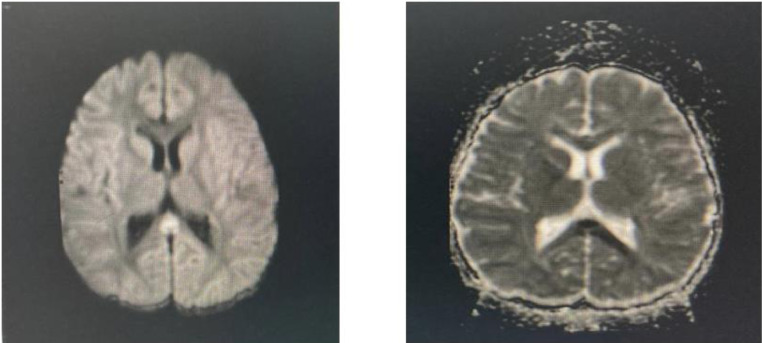
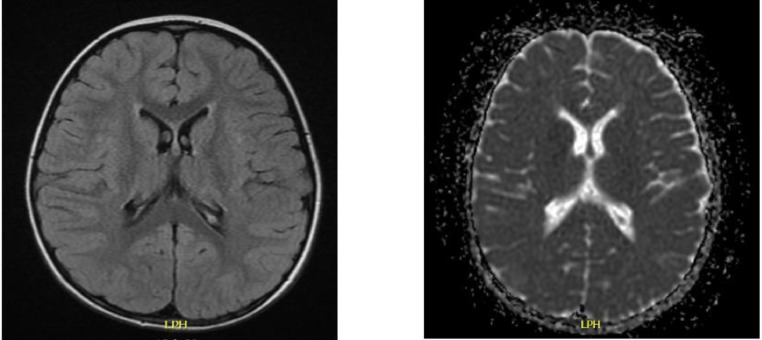
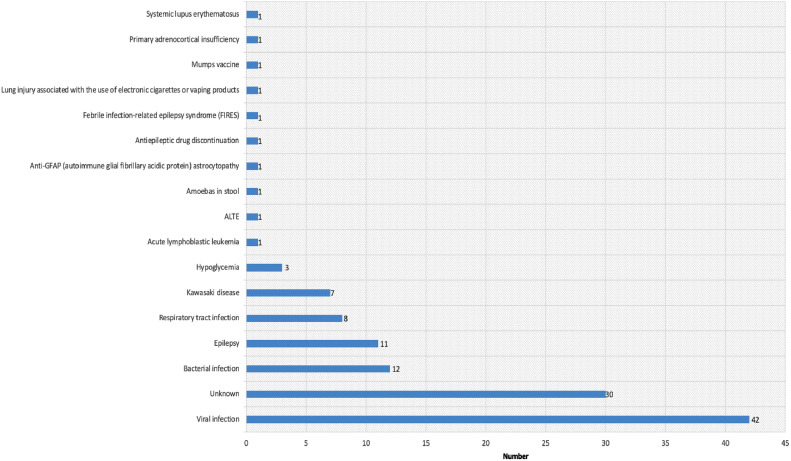
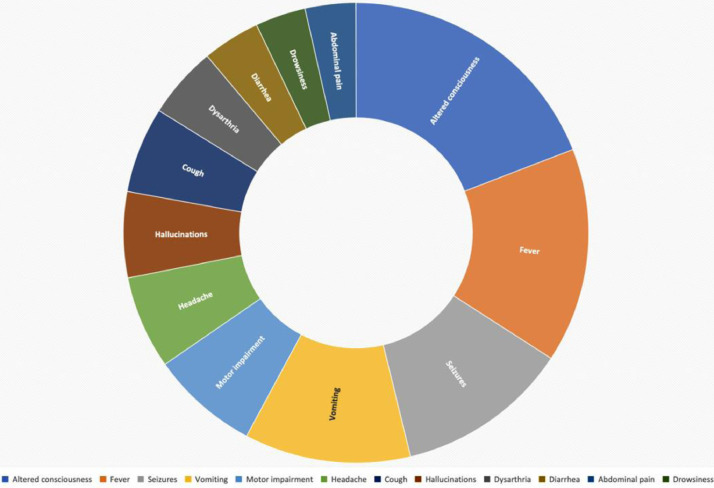
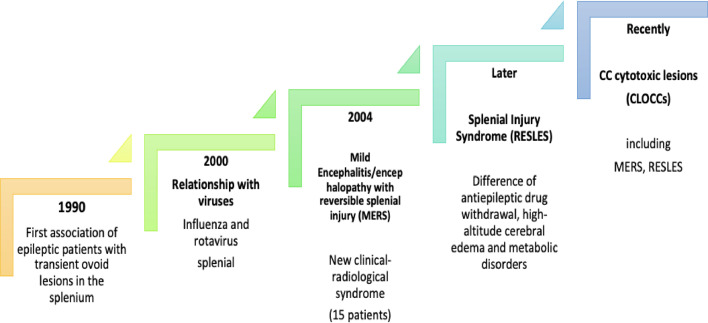
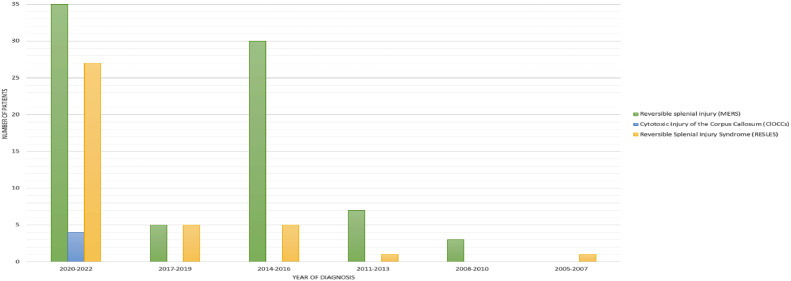
Cytotoxic lesions of the corpus callosum are considered a clinical-radiological syndrome that generates transitory damage to the corpus callosum; especially in the splenium, with a multicausal origin such as drugs, malignant neoplasms, infections, subarachnoid hemorrhage, metabolic disorders, and traumas. The clinical presentation varies in severity. Some patients have complete recovery in a few days, while others present a more serious clinical, requiring admission to pediatric intensive care. We present a case of a pediatric patient with cytotoxic lesions of the corpus callosum (CLOCCs) confirmed by brain magnetic resonance imaging (MRI). The patient was admitted due to gastrointestinal symptoms, progressing to altered consciousness, postural instability, dysarthria, and paroxysmal events. A literature search of all reported cases of compromises of CLOCCs was carried out to identify the different terms used to describe this syndrome and consolidated a report of utility in the clinic of this pathology.
Keywords: Benign seizure; Cytotoxic lesions of the corpus callosum; Magnetic resonance imaging; Viral illness.
© 2023 The Authors. Published by Elsevier Inc.
Figures
References
-
- Duarte M, Bobadilla E, Vásquez P, Roa J. Reversible splenic injury with encephalopathy/mild encephalitis (MERS) Colomb Neurol Act. 2016;32(4):325–329.
Further Reading
-
- Zhao L., Wu Y., Guo M., Xiao J., Jiang Y. Clinically mild encephalitis/encephalopathy with a reversible splenial lesion of corpus callosum in a child and literature review. Chin J Pediatr. 2014;52(3):218–222. Zhonghua er ke za zhi = - PubMed
Publication types
LinkOut - more resources
Full Text Sources
