Review
. 2023 Apr 28;132(9):1168-1180.
doi: 10.1161/CIRCRESAHA.123.321565. Epub 2023 Apr 27.

Electronic Nicotine Delivery Systems and Cardiovascular/Cardiometabolic Health

Affiliations
Review

Electronic Nicotine Delivery Systems and Cardiovascular/Cardiometabolic Health

Matthew J Mears et al. Circ Res. .

Abstract

The use of electronic nicotine delivery systems, specifically electronic cigarettes (e-cig), has risen dramatically within the last few years; the demographic purchasing these devices is now predominantly adolescents that are not trying to quit the use of traditional combustible cigarettes, but rather are new users. The composition and appearance of these devices has changed since their first entry into the market in the late 2000s, but they remain composed of a battery and aerosol delivery system that is used to deliver breakdown products of propylene glycol/vegetable glycerin, flavorings, and potentially nicotine or other additives. Manufacturers have also adjusted the type of nicotine that is used within the liquid to make the inhalation more palatable for younger users, further affecting the number of youth who use these devices. Although the full spectrum of cardiovascular and cardiometabolic consequences of e-cig use is not fully appreciated, data is beginning to show that e-cigs can cause both short- and long-term issues on cardiac function, vascular integrity and cardiometabolic issues. This review will provide an overview of the cardiovascular, cardiometabolic, and vascular implications of the use of e-cigs, and the potential short- and long-term health effects. A robust understanding of these effects is important in order to inform policy makers on the dangers of e-cigs use.

Keywords: aerosols; nicotine; propylene glycol; tobacco products; vaping.


Figures
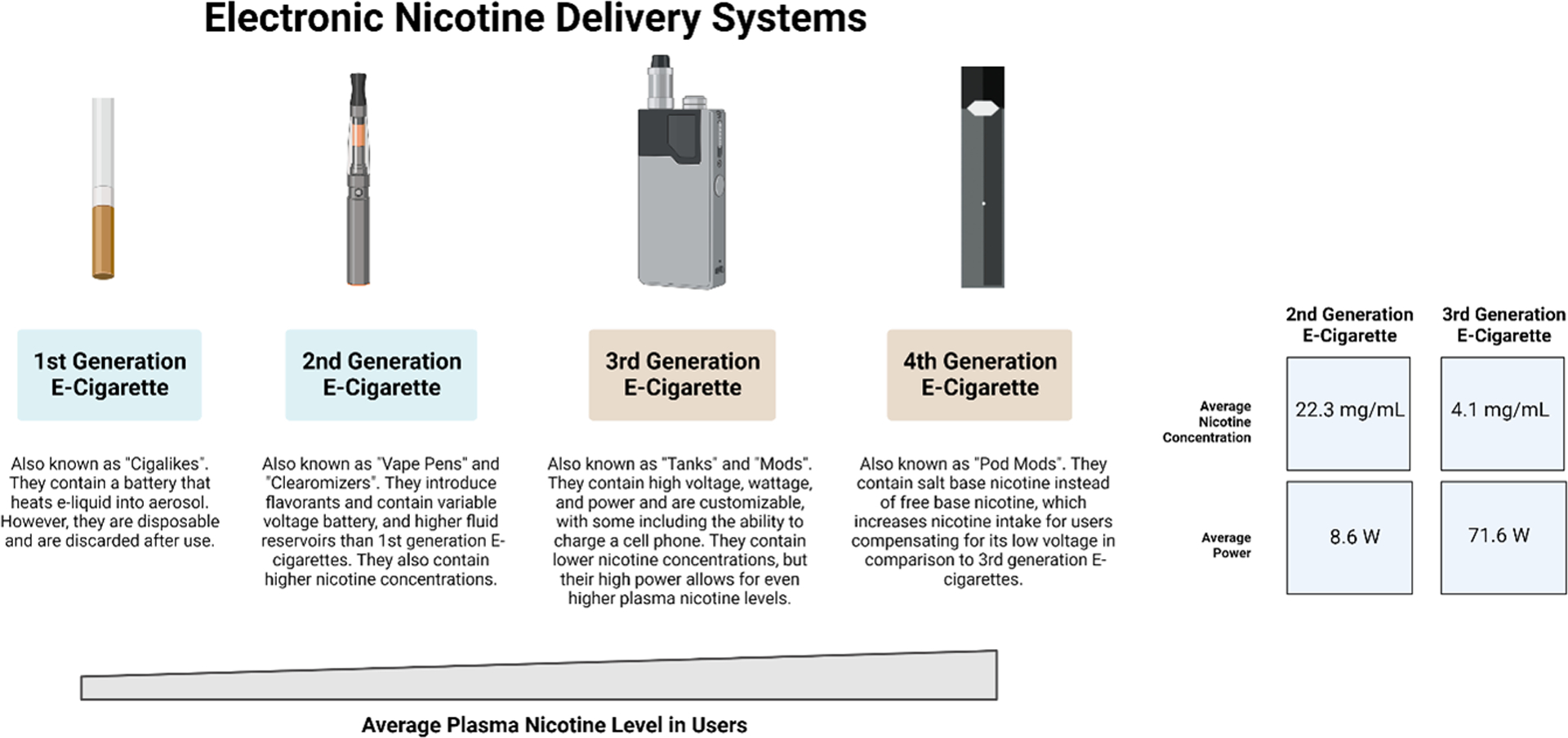
Figure 1.
Figure 1.. Electronic Nicotine Delivery Systems.
1st Generation e-cig or “Cigalike”, as well as representative 2nd-4th generations of e-cigs with design characteristics,,. Created with BioRender.com.
Figure 2.
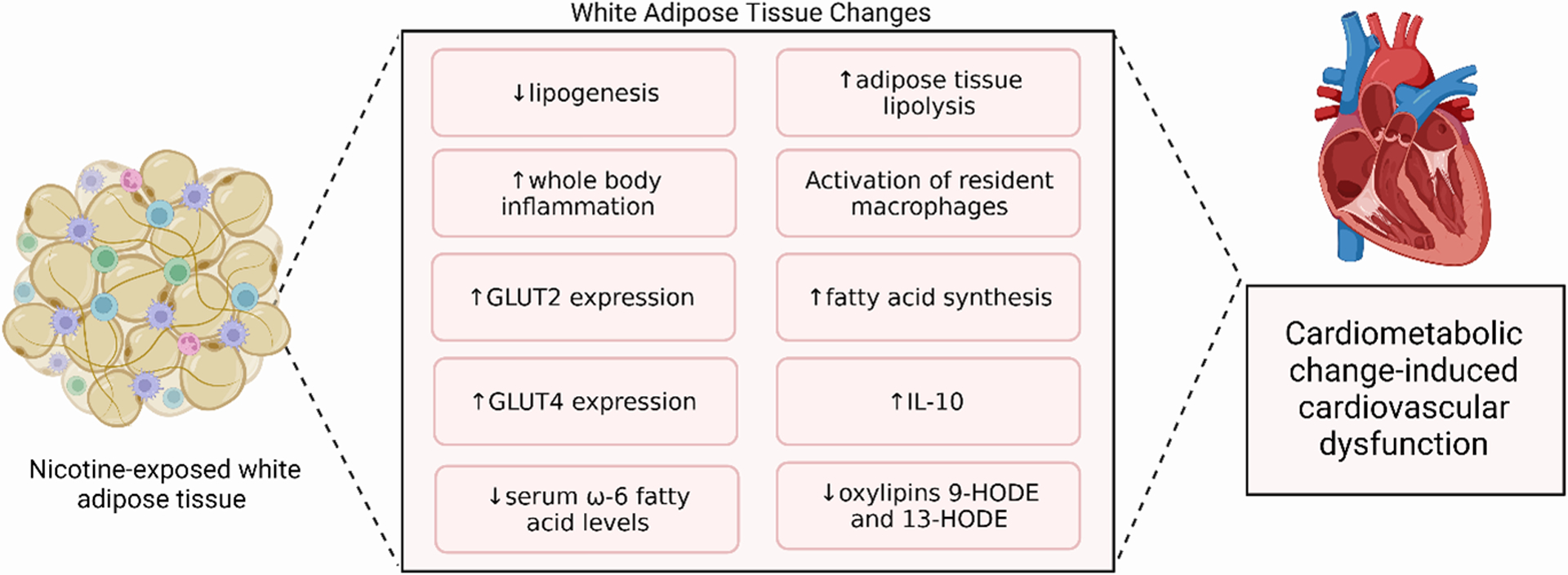
Figure 2.. E-cig-induced Adipose Tissue Changes and CV Dysfunction.
Nicotine exposure leads to changes in WAT. These changes include decreased lipogenesis, serum levels of ω−6 fatty acids, and oxylipins 9- and 13-HODE, as well as increased adipose tissue lipolysis, fatty acid synthesis, whole body inflammation, GLUT2 and GLUT4 expression, IL-10 levels, and activation of resident macrophages. Created with BioRender.com.
Figure 3.
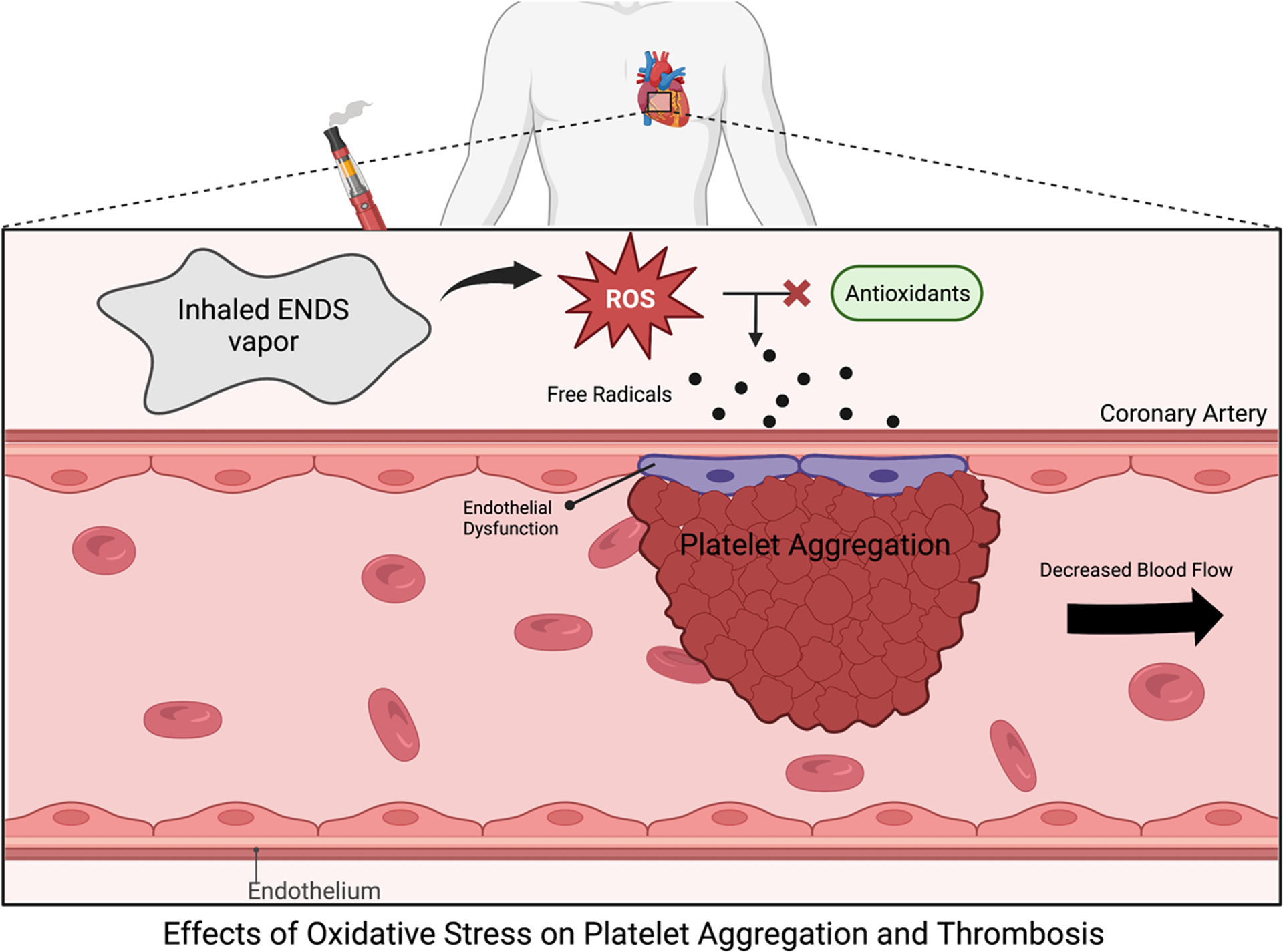
Figure 3.. Effects of E-cig-induced Oxidative Stress on Platelet Aggregation and Thrombosis.
Inhaled e-cig vapor increases levels of ROS. This increase in ROS affects the buffering capacity of antioxidants, inducing oxidative stress. More specifically, within endothelial cells, NO is the primary antioxidant. When NO reacts with superoxide anion, free radicals form to disrupt proteins within the endothelium, leading to endothelial dysfunction and platelet aggregation, further predisposing individuals to thrombosis, and decreased blood flow beyond the site of platelet aggregation. Created with BioRender.com.

References

    1. Mathers CD, Loncar D. Projections of global mortality and burden of disease from 2002 to 2030. PLoS Med. 2006;3:e442–e442. - PMC - PubMed
    1. Samet JM. Tobacco Smoking. Thorac Surg Clin. 2013;23:103–112. - PubMed
    1. Schroeder MJ, Hoffman AC. Electronic cigarettes and nicotine clinical pharmacology. Tob Control. 2014;23 Suppl 2:ii30–ii35. - PMC - PubMed
    1. Goniewicz ML, Kuma T, Gawron M, Knysak J, Kosmider L. Nicotine Levels in Electronic Cigarettes. Nicotine & Tobacco Research. 2012;15:158–166. - PubMed
    1. Soule E, Bansal-Travers M, Grana R, McIntosh S, Price S, Unger JB, Walton K. Electronic cigarette use intensity measurement challenges and regulatory implications. Tob Control. 2023;32:124–129. - PMC - PubMed

Publication types