The Brucella Cell Envelope
- PMID: 37104660
- PMCID: PMC10787603
- DOI: 10.1146/annurev-micro-032521-013159
The Brucella Cell Envelope
Abstract
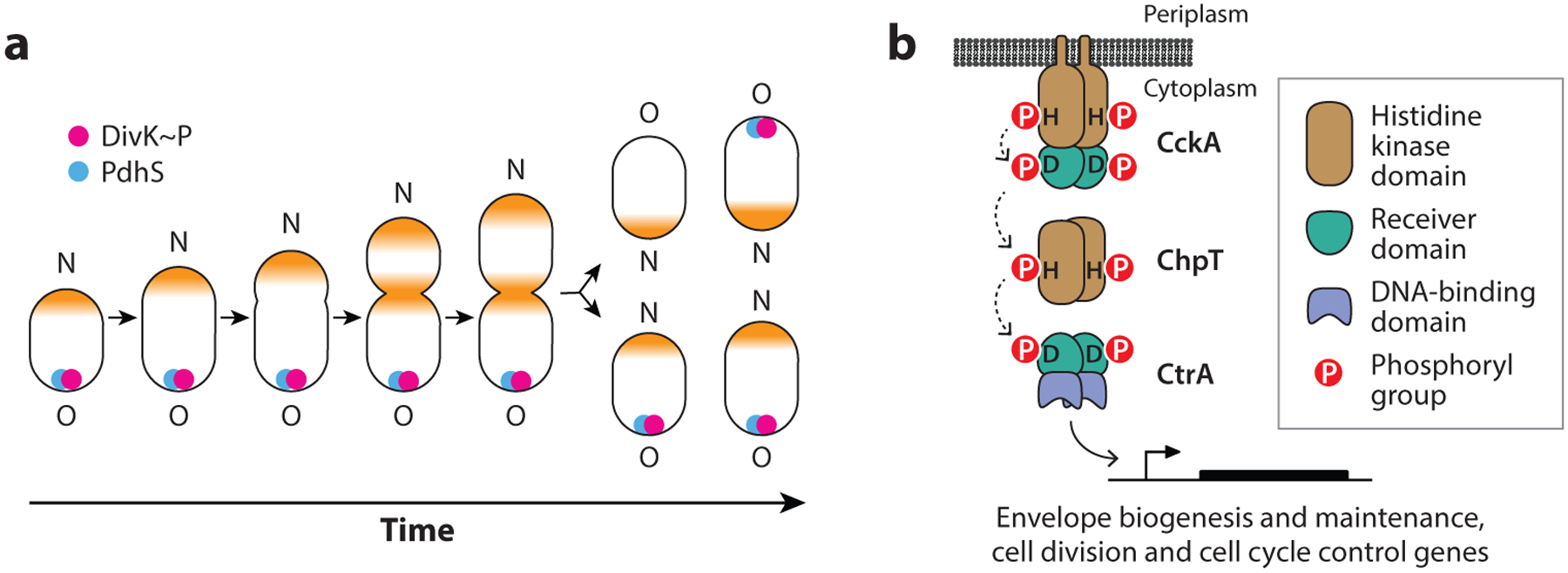
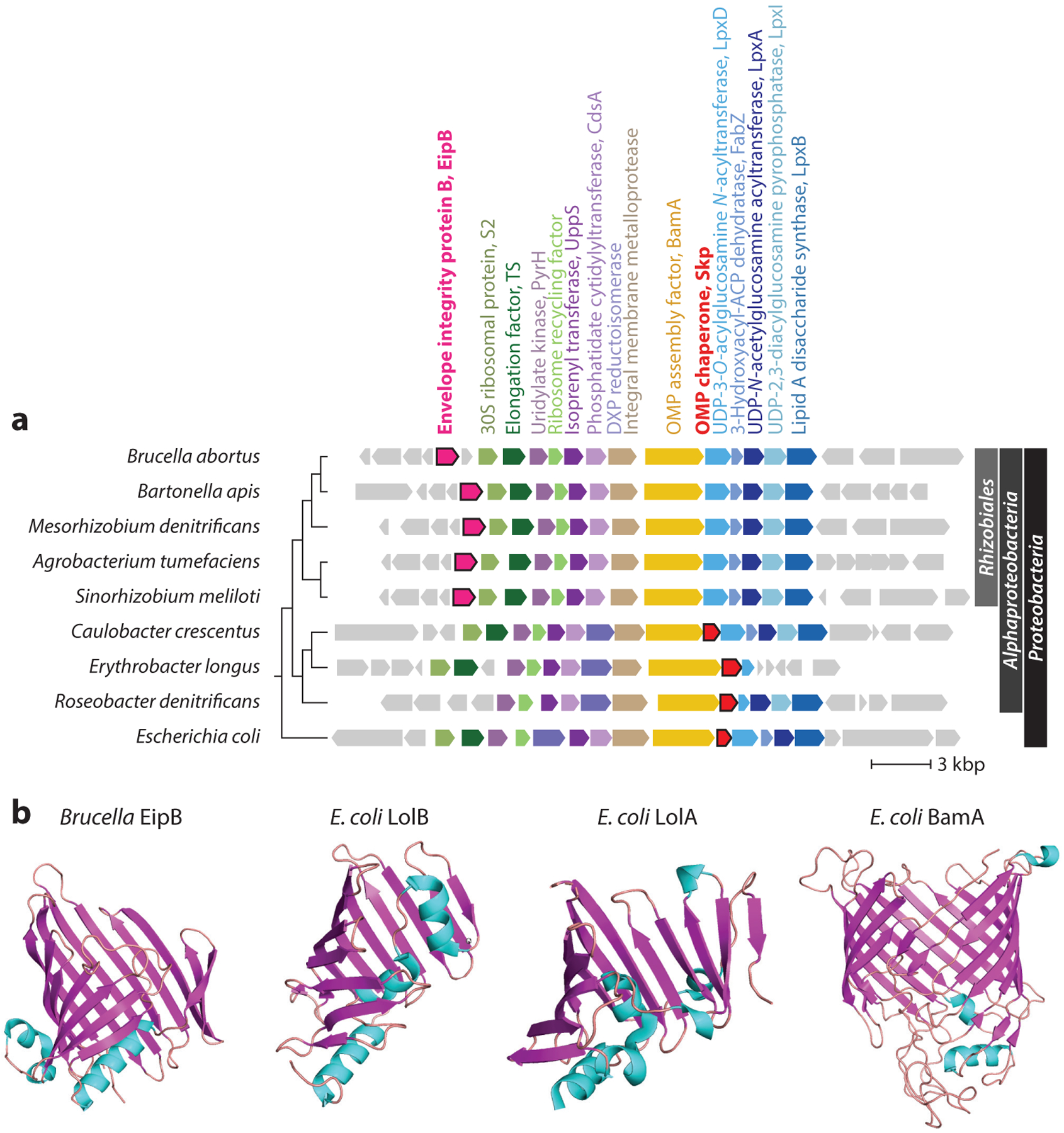
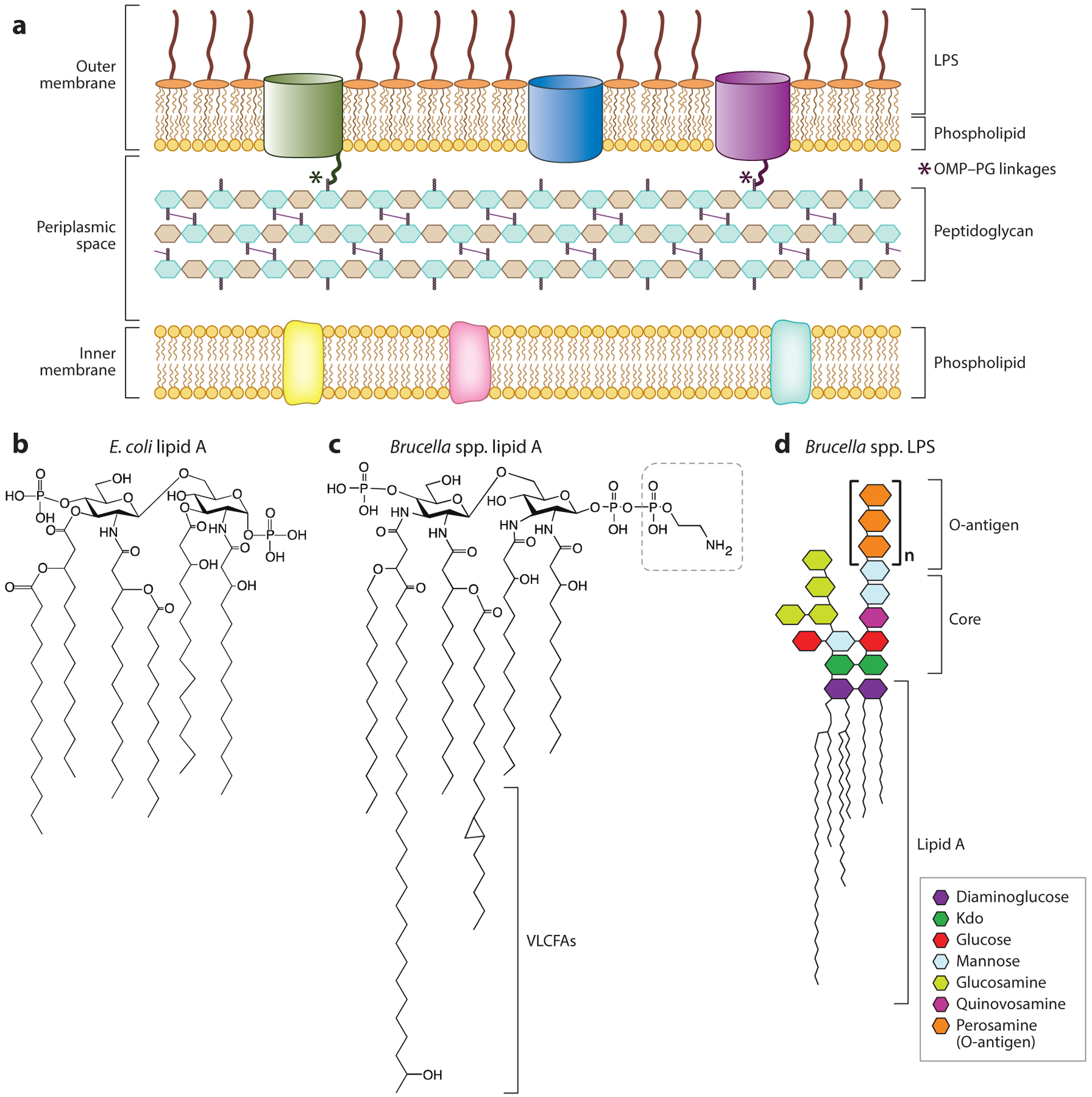
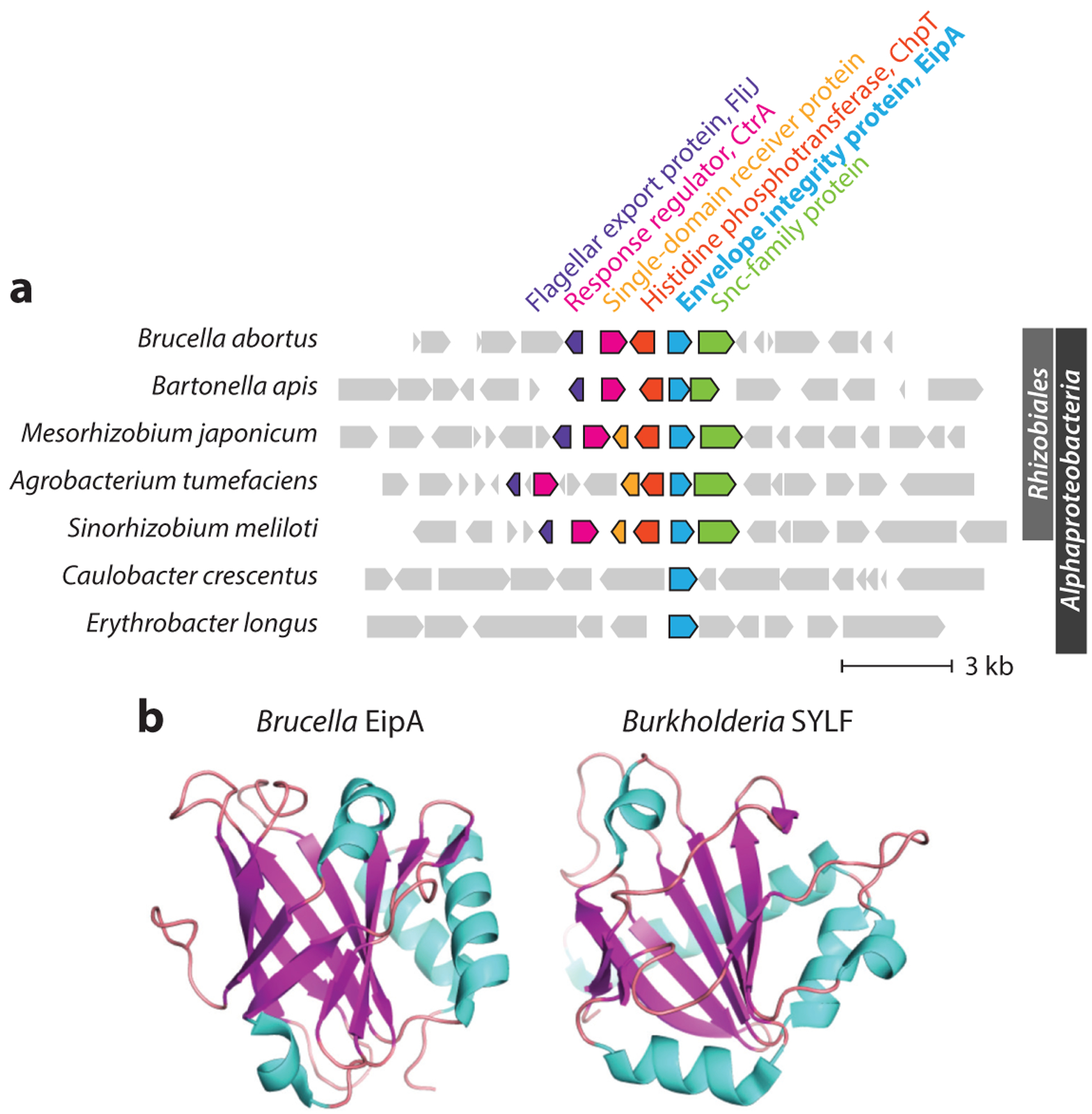
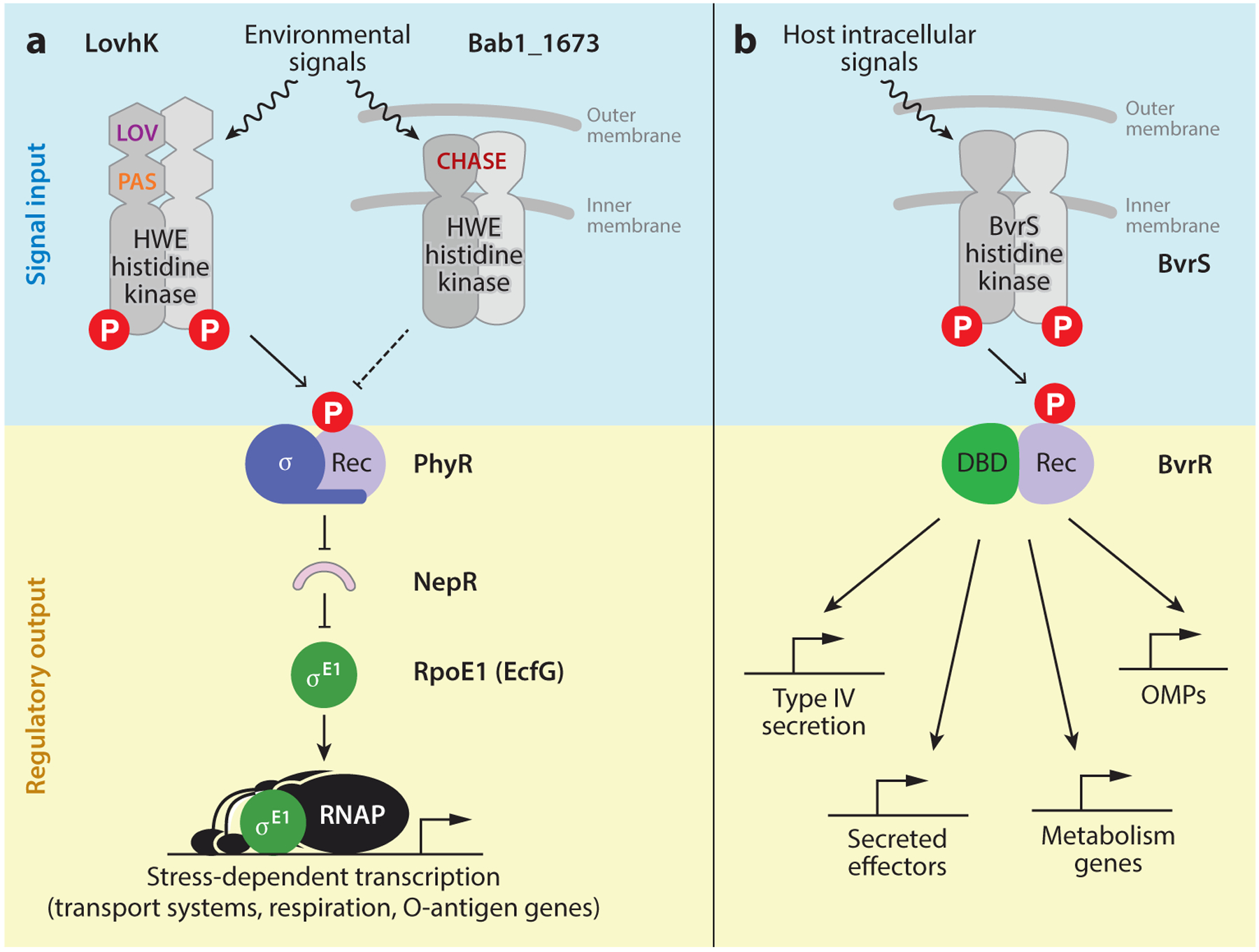
The cell envelope is a multilayered structure that insulates the interior of bacterial cells from an often chaotic outside world. Common features define the envelope across the bacterial kingdom, but the molecular mechanisms by which cells build and regulate this critical barrier are diverse and reflect the evolutionary histories of bacterial lineages. Intracellular pathogens of the genus Brucella exhibit marked differences in cell envelope structure, regulation, and biogenesis when compared to more commonly studied gram-negative bacteria and therefore provide an excellent comparative model for study of the gram-negative envelope. We review distinct features of the Brucella envelope, highlighting a conserved regulatory system that links cell cycle progression to envelope biogenesis and cell division. We further discuss recently discovered structural features of the Brucella envelope that ensure envelope integrity and that facilitate cell survival in the face of host immune stressors.
Keywords: Alphaproteobacteria; gram negative; intracellular pathogen; zoonosis.
Figures
References
-
- Aktas M, Wessel M, Hacker S, Klusener S, Gleichenhagen J, Narberhaus F. 2010. Phosphatidylcholine biosynthesis and its significance in bacteria interacting with eukaryotic cells. Eur. J. Cell Biol 89:888–94 - PubMed
-
- Aragon-Aranda B, Palacios-Chaves L, Salvador-Bescos M, de Miguel MJ, Munoz PM, et al. 2021. The phospholipid N-methyltransferase and phosphatidylcholine synthase pathways and the ChoXWV choline uptake system involved in phosphatidylcholine synthesis are widely conserved in most, but not all Brucella species. Front. Microbiol 12:614243. - PMC - PubMed
Publication types
MeSH terms
Grants and funding
LinkOut - more resources
Full Text Sources