


Identification and phenotypic characterization of patients with LADA in a population of southeast Mexico
- PMID: 37120620
- PMCID: PMC10148806
- DOI: 10.1038/s41598-023-34171-2
Identification and phenotypic characterization of patients with LADA in a population of southeast Mexico
Abstract
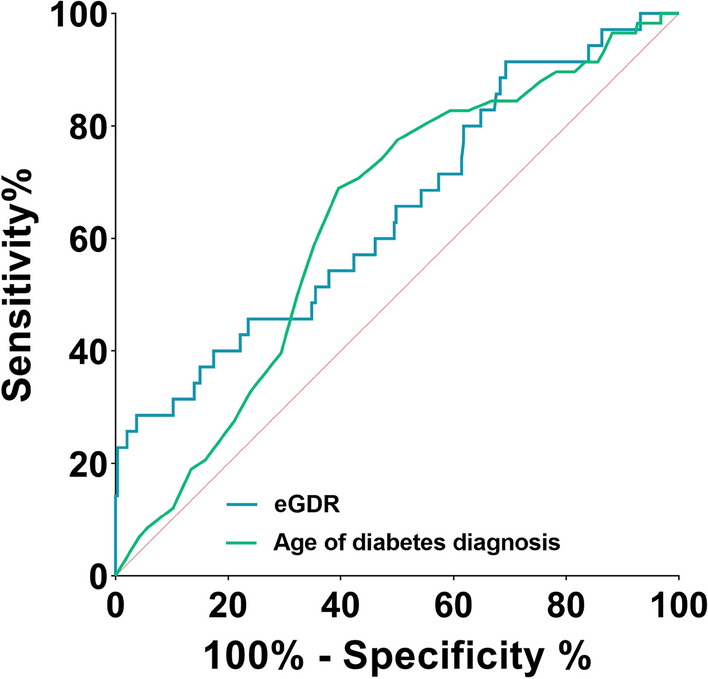
Latent autoimmune diabetes in adults (LADA) has clinical and metabolic features of type 1 and type 2 diabetes. LADA does not have specific features for its diagnosis apart from autoantibody detection; however, these tests are not affordable in clinical settings. In this cross-sectional study, we analyzed clinical criteria, metabolic control, pharmacological treatment, and diabetic complications in two groups of patients with diabetes -LADA and T2D- in order to identify specific characteristic of these clinical entities. Finally, we evaluated if the estimated glucose disposal rate (eGDR) and age at diagnosis of diabetes could be used as a diagnostic criterion for LADA. Demographic, biochemical, clinical and treatment were measured in 377 individuals with diabetes. The diagnostics of LADA were determined using Glutamic acid decarboxylase autoantibodies levels. Chi-square test or t-Student test were used to establish differences between groups. To identify factors associated with LADA, a logistic regression analysis was used. Finally, a ROC curve was plotted to assess the possible variables as diagnostic criteria for LADA. The 377 patients with diabetes were separated into 59 patients with LADA and 318 patients with T2D. Patients with LADA showed lower fasting glucose values, fewer diabetic complications, younger age at diagnosis of diabetes, higher insulin use, and higher eGDR in comparison to patients with T2D. Both groups had a mean BMI classified as overweight. The ROC evaluated the sensitivity and specificity, this analysis indicated that an age younger than 40.5 years and an eGDR value higher than 9.75 mg/kg/min correlated better with LADA. These parameters could be useful to identify patients suspected to have LADA at the first level of medical care in the population of southeastern Mexico and refer them to a second level of care.
© 2023. The Author(s).
Conflict of interest statement
The authors declare no competing interests.
Figures

References
Publication types
MeSH terms
Substances
LinkOut - more resources
Full Text Sources
Medical
