. 2023 May;617(7960):403-408.
doi: 10.1038/s41586-023-06027-2. Epub 2023 May 3.

Complete integration of carbene-transfer chemistry into biosynthesis

Affiliations

Complete integration of carbene-transfer chemistry into biosynthesis

Jing Huang et al. Nature. 2023 May.

Abstract

Biosynthesis is an environmentally benign and renewable approach that can be used to produce a broad range of natural and, in some cases, new-to-nature products. However, biology lacks many of the reactions that are available to synthetic chemists, resulting in a narrower scope of accessible products when using biosynthesis rather than synthetic chemistry. A prime example of such chemistry is carbene-transfer reactions1. Although it was recently shown that carbene-transfer reactions can be performed in a cell and used for biosynthesis2,3, carbene donors and unnatural cofactors needed to be added exogenously and transported into cells to effect the desired reactions, precluding cost-effective scale-up of the biosynthesis process with these reactions. Here we report the access to a diazo ester carbene precursor by cellular metabolism and a microbial platform for introducing unnatural carbene-transfer reactions into biosynthesis. The α-diazoester azaserine was produced by expressing a biosynthetic gene cluster in Streptomyces albus. The intracellularly produced azaserine was used as a carbene donor to cyclopropanate another intracellularly produced molecule-styrene. The reaction was catalysed by engineered P450 mutants containing a native cofactor with excellent diastereoselectivity and a moderate yield. Our study establishes a scalable, microbial platform for conducting intracellular abiological carbene-transfer reactions to functionalize a range of natural and new-to-nature products and expands the scope of organic products that can be produced by cellular metabolism.


Conflict of interest statement

Competing interests: J.D.K. has a financial interest in Amyris, Demetrix, Maple Bio, Lygos, Napigen, Berkeley Yeast, Zero Acre Farms, Ansa Biotechnologies, Apertor Pharmaceuticals, ResVit Bio, and Cyklos Materials. The other authors declare no competing interests.

Figures

Extended Data Fig. 1 |
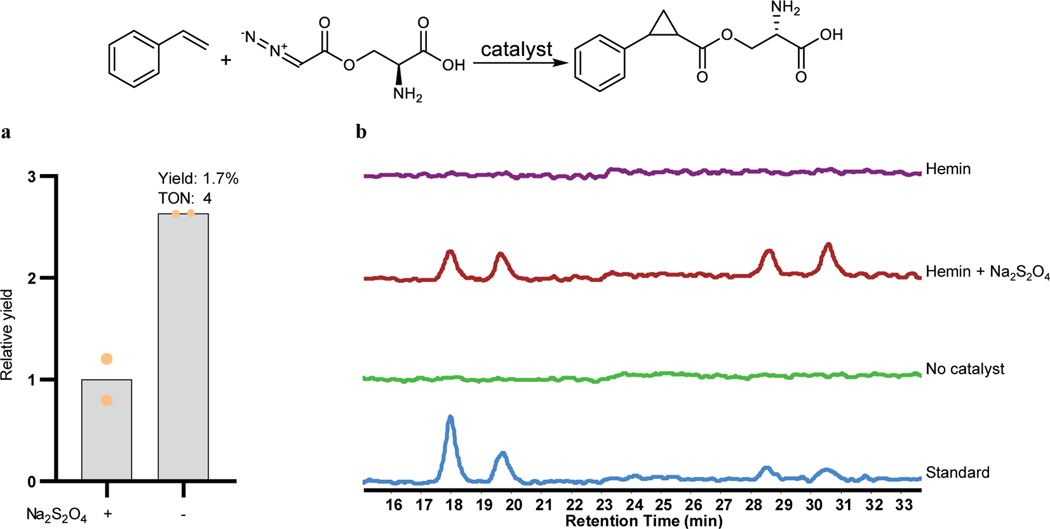
Extended Data Fig. 1 |. Effect of Na2S2O4 on the activity of hemin and Ir(Me)MPIX for the reaction of styrene with azaserine.
a, Addition of Na2S2O4 decreased the reaction yield when using Ir(Me)MPIX as catalyst. TON, turn-over number. Reaction conditions are described in Fig. 2 legend. Data are mean value for 2 reaction replicates. b, Na2S2O4 is necessary for the activity of hemin toward the reaction. EIC ([M+H]+, m/z 250.1074) for target products. The traces are representative of two reaction replicates. The reaction contained 5 mM styrene, 5 mM azaserine, 10 μM hemin or no catalyst, 0 or 10 mM Na2S2O4, 5 vol% ethanol, and M9-N buffer and was conducted at 22 °C under aerobic conditions for 18 h. Standard, chemically synthesized authentic standard mixture of the four diastereomers.
Extended Data Fig. 2 |
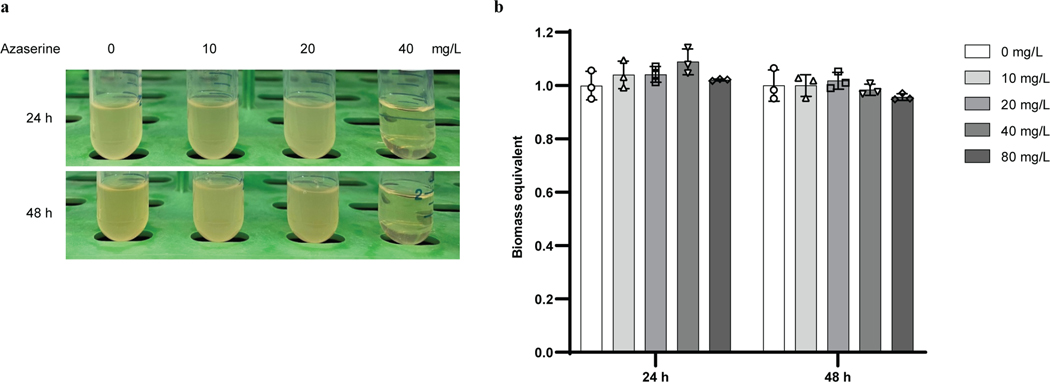
Extended Data Fig. 2 |. Azaserine toxicity on E. coli and S. albus.
a, Azaserine is toxic to E. coli BL21(DE3). b, Azaserine does not affect the growth of S. albus under tested concentrations. Biomass was normalized to that of culture without addition of azaserine. Data are mean ± s.d.; n = 3 biological replicates.
Extended Data Fig. 3 |
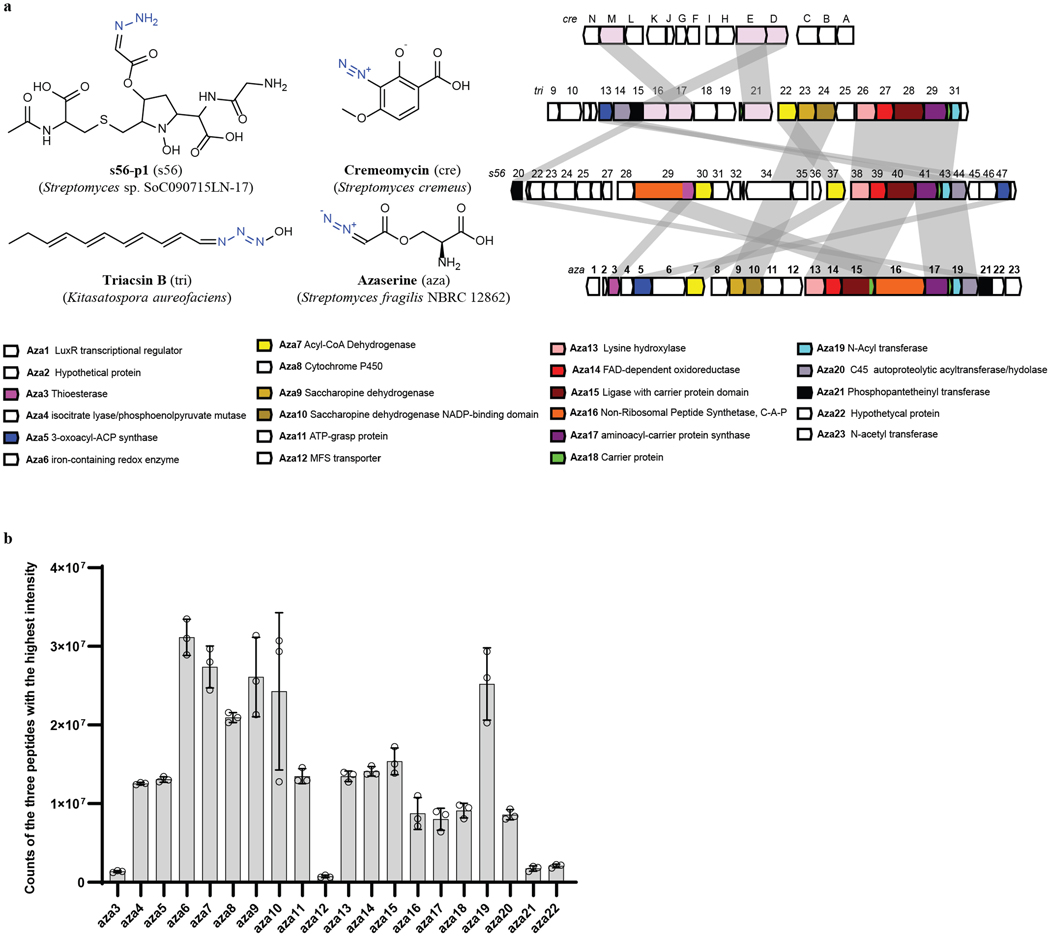
Extended Data Fig. 3 |. Expression of azaserine gene cluster from S. fragilis in S. albus.
a, Bioinformatic annotation of the azaserine gene cluster and comparison with the biosynthetic gene clusters for some natural N–N bond-containing compounds. b, Proteomic analysis of the azaserine gene cluster when expressed in S. albus. Data are mean ± s.d.; n = 3 biological replicates.
Extended Data Fig. 4 |
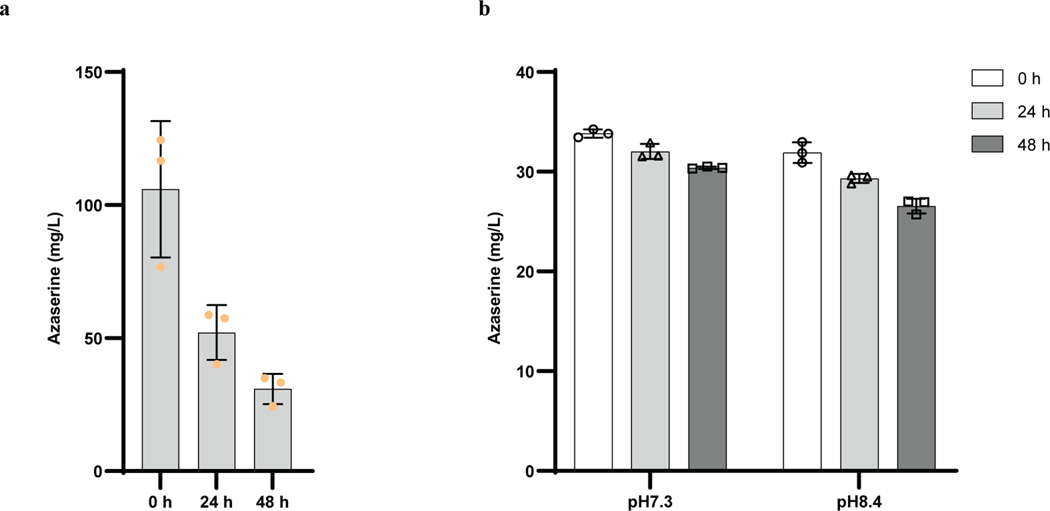
Extended Data Fig. 4 |. Differences in azaserine degradation in various media.
a, Azaserine titer continues to decrease after removal of S. albus cells. The azaserine-producing S. albus was grown in TSB medium. After 24 h, the cells were removed from culture broth using a 0.22-μm sterile filter, the filtrate was incubated at 30 ℃ (labeled as 0 h), and the azaserine concentration was monitored at different time points. b, Azaserine is stable in fresh TSB medium of normal pH 7.3 or adjusted pH 8.4. Equal volume of azaserine stock was added to a final concentration of about 35 mg/L at 0 h. Data are mean ± s.d.; n = 3 biological (a) or technical (b) replicates.
Extended Data Fig. 5 |
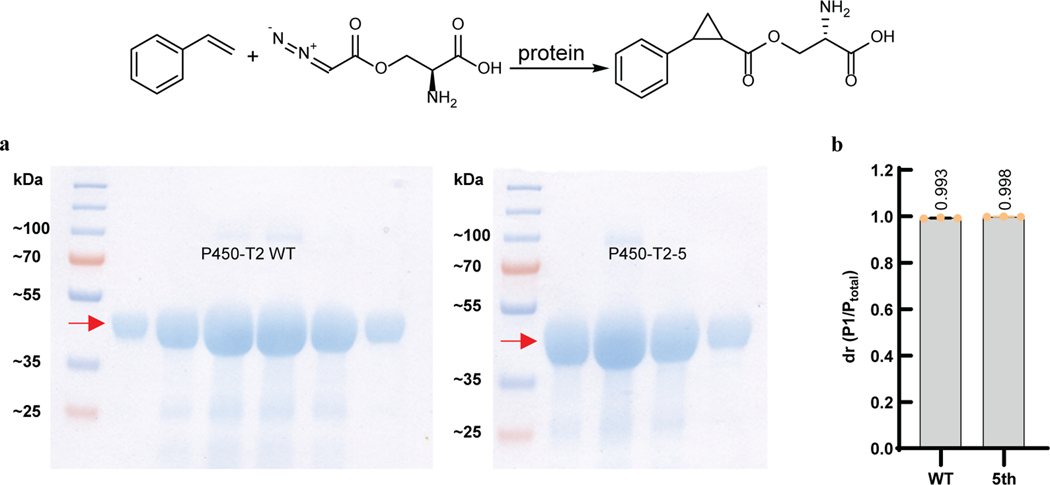
Extended Data Fig. 5 |. Purified P450-T2 WT and mutant catalyzing the reaction of styrene with azaserine in vitro.
a, Coomassie Blue stained SDS-PAGE gel of purified protein P450-T2 WT (left) and P450-T2–5 mutant (right). Each lane is a sample from fractions collected during ion exchange purification. b, Purified P450-T2 WT and P450-T2–5 mutant proteins catalyze the reaction in vitro with high diastereoselectivity. 5th, P450-T2–5 mutant. Reaction conditions: 5 mM styrene, 5 mM azaserine, 10 μM enzyme, 10 mM Na2S2O4, 5 vol% ethanol, M9-N buffer, conducted at 22 °C under aerobic condition for 18 h. Ptotal, sum area for all diastereomers. Grey bars indicate the Dr. Data are mean ± s.d.; n = 3 reaction replicates.
Extended Data Fig. 6 |
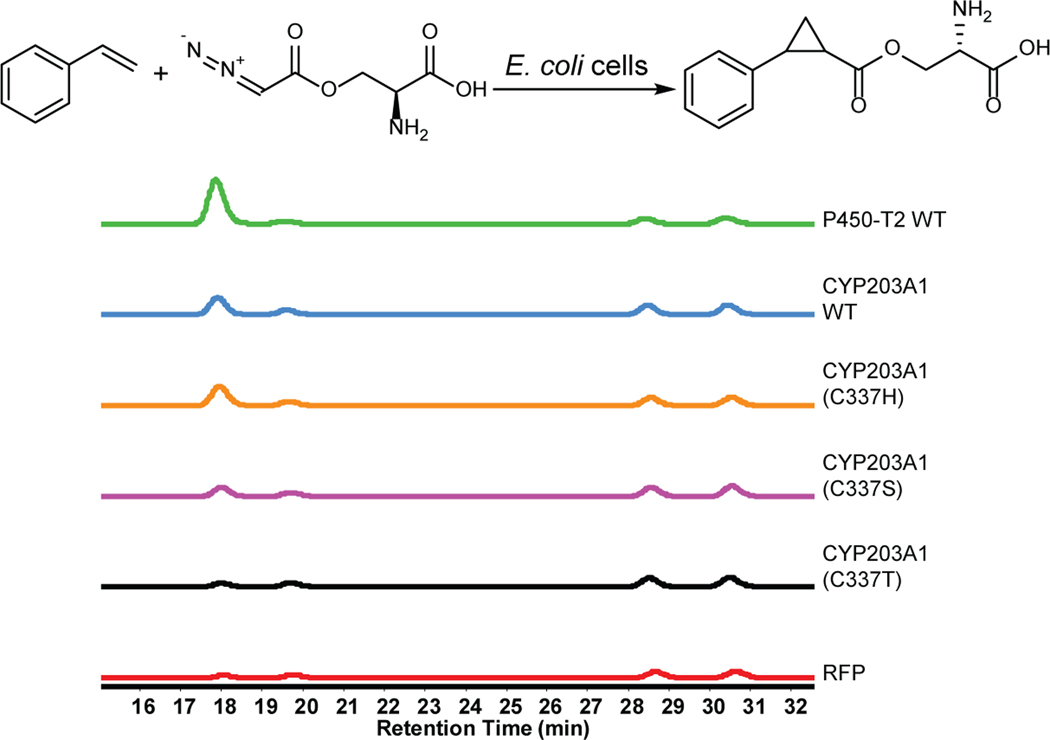
Extended Data Fig. 6 |. CYP203A1 WT and axial ligand mutants for the reaction of styrene with azaserine.
EIC ([M+H]+, m/z 250.1074) for target products. Representative traces for two repeated experiments. The reactions contained 5 mM styrene, 5 mM azaserine, E. coli cells with concentration of 30 OD600 as catalyst, 5 vol% ethanol, and M9-N buffer and were conducted at 22 °C under aerobic conditions for 18 h.
Extended Data Fig. 7 |
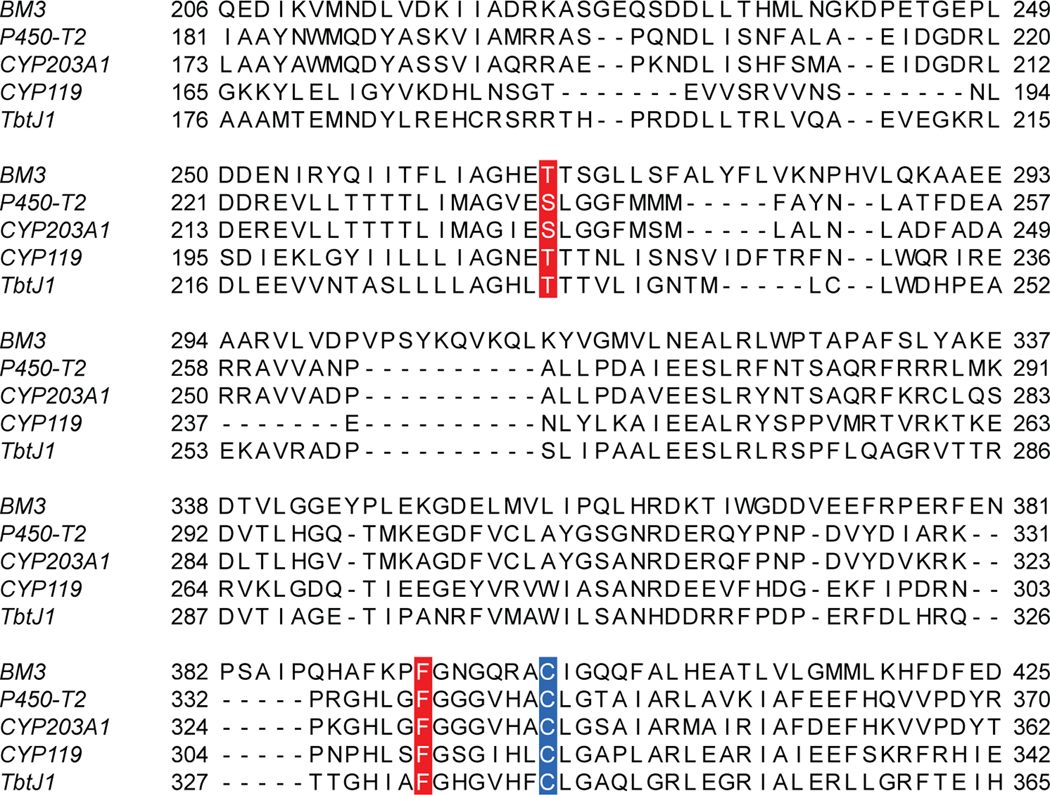
Extended Data Fig. 7 |. Conserved amino acids selected for saturation mutagenesis.
The residue labeled in blue is the heme ligand cysteine in those P450s. Residues labeled in red are two conserved residues previously reported to affect the catalytic behavior in P450 BM3. Sequences were aligned with Clustal Omega.
Extended Data Fig. 8 |
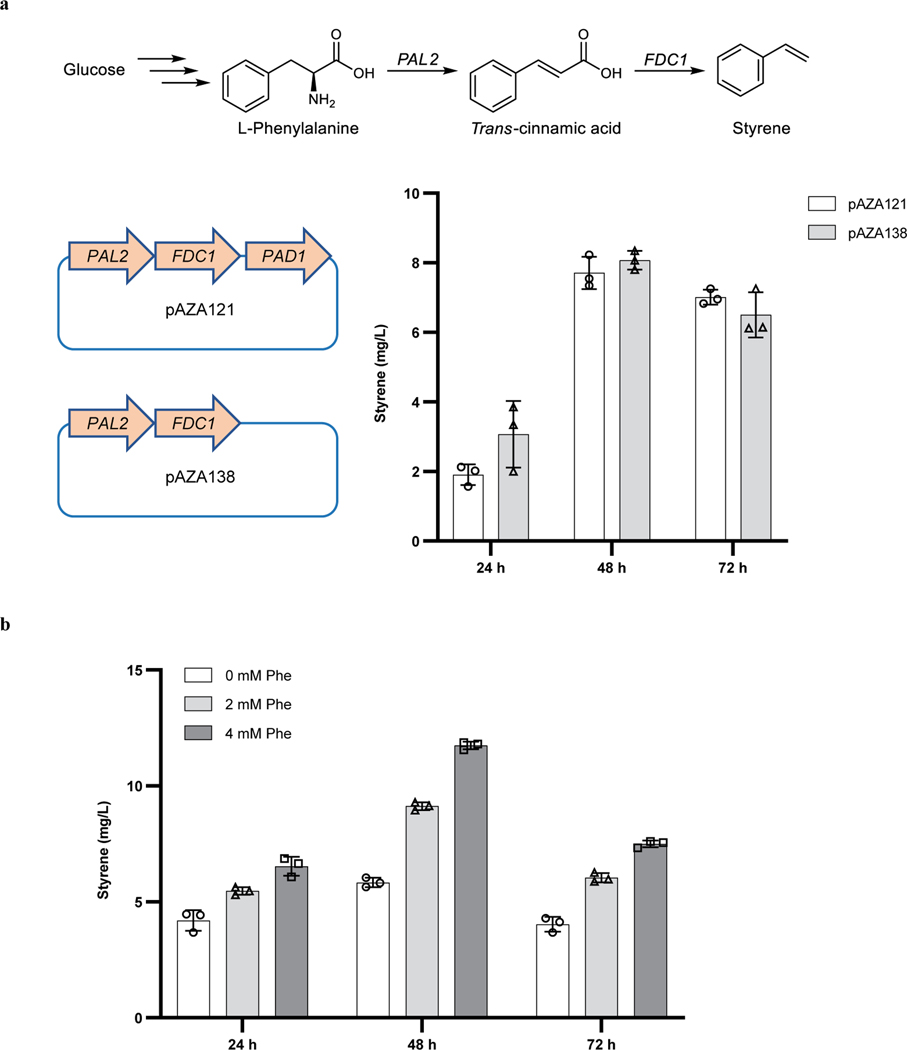
Extended Data Fig. 8 |. Exploration of the conditions for styrene biosynthesis in S. albus.
a, Heterologously expressing PAL2 and FDC1 are sufficient to generate styrene. pAZA121 and pAZA138 are two integration plasmids used to introduce the styrene pathway into S. albus. b, Production of styrene by engineered S. albus grown in TSB medium supplemented with additional 0 mM, 2 mM or 4 mM Phe. Data are mean ± s.d.; n = 3 biological samples.
Extended Data Fig. 9 |
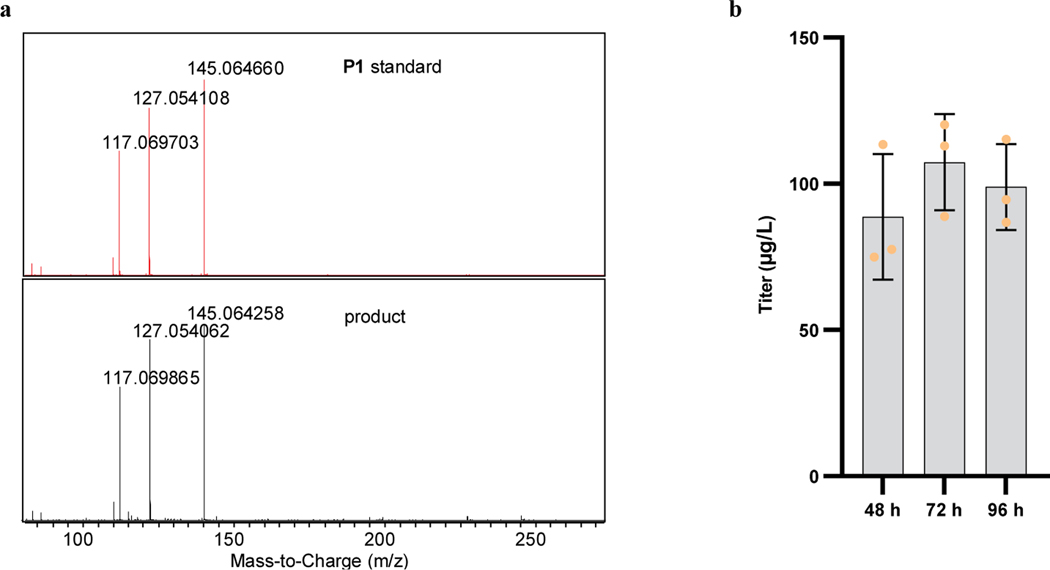
Extended Data Fig. 9 |. Characterization and time course of accumulation of the final products.
a, MS/MS (20 eV) spectra of the P1 standard (red) and the biosynthesized major product (black). b, Biosynthesis of final products during the 96-h fermentation process. The 24-h data are not presented because small quantities of product were observed (<10 μg/L), and thus the titer could not be accurately calculated. 1B medium with 4 mM Phe was used to generate the final products. Data are mean ± s.d.; n = 3 biological samples.
Fig. 1 |
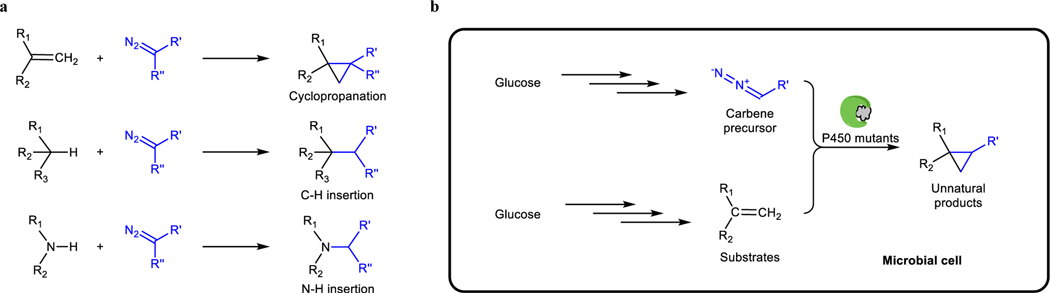
Fig. 1 |. Schematic diagram of carbene transfer reactions for biosynthesis.
a, Examples of recently developed carbene transfer reactions catalyzed by engineered cytochrome P450s. b, Schematic diagram for integrating carbene transfer reactions into biosynthesis with all components in the reaction produced by microbial cells.
Fig. 2 |
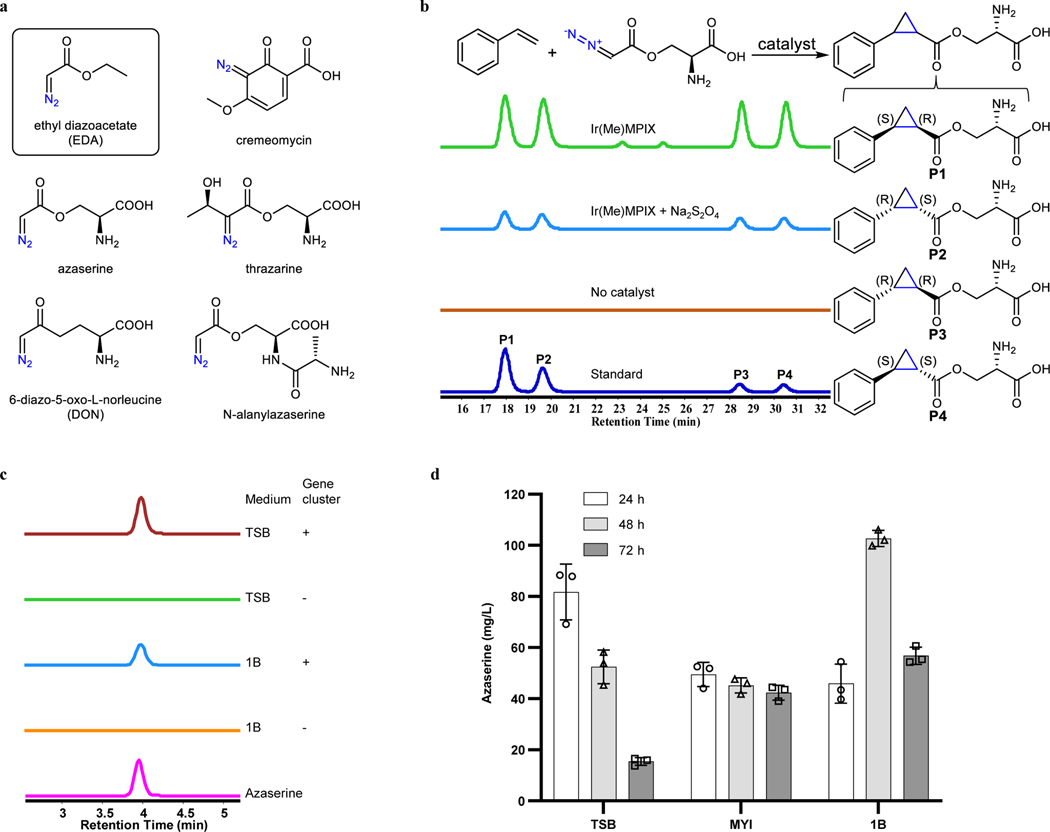
Fig. 2 |. Heterologous biosynthesis of the carbene precursor azaserine.
a, Selected diazo compounds found in nature, except for EDA (in black rectangle). b, Azaserine acts as a carbene precursor for cyclopropanation. Extracted ion chromatogram (EIC, [M+H]+, m/z 250.1074) for target products. Representative traces are for 2 repeated reactions. P1 to P4 are the four diastereomers formed by cyclopropanation of styrene with azaserine (shown on the right). The reaction contained 5 mM styrene, 5 mM azaserine, 10 μM Ir(Me)MPIX or no catalyst, 0 or 10 mM Na2S2O4, 5 vol% ethanol, and M9-N buffer and was conducted at 22 °C under aerobic conditions for 18 h. Standard indicates a mixture of the four chemically synthesized diastereomers. c, Biosynthesis of azaserine in S. albus harboring the identified azaserine gene cluster in its genome. EIC ([M+H]+, m/z 174.0509) for azaserine. Representative traces for two repeated experiments. d, Azaserine production in three different culture media. Data are mean ± s.d.; n = 3 biological replicates.
Fig. 3 |
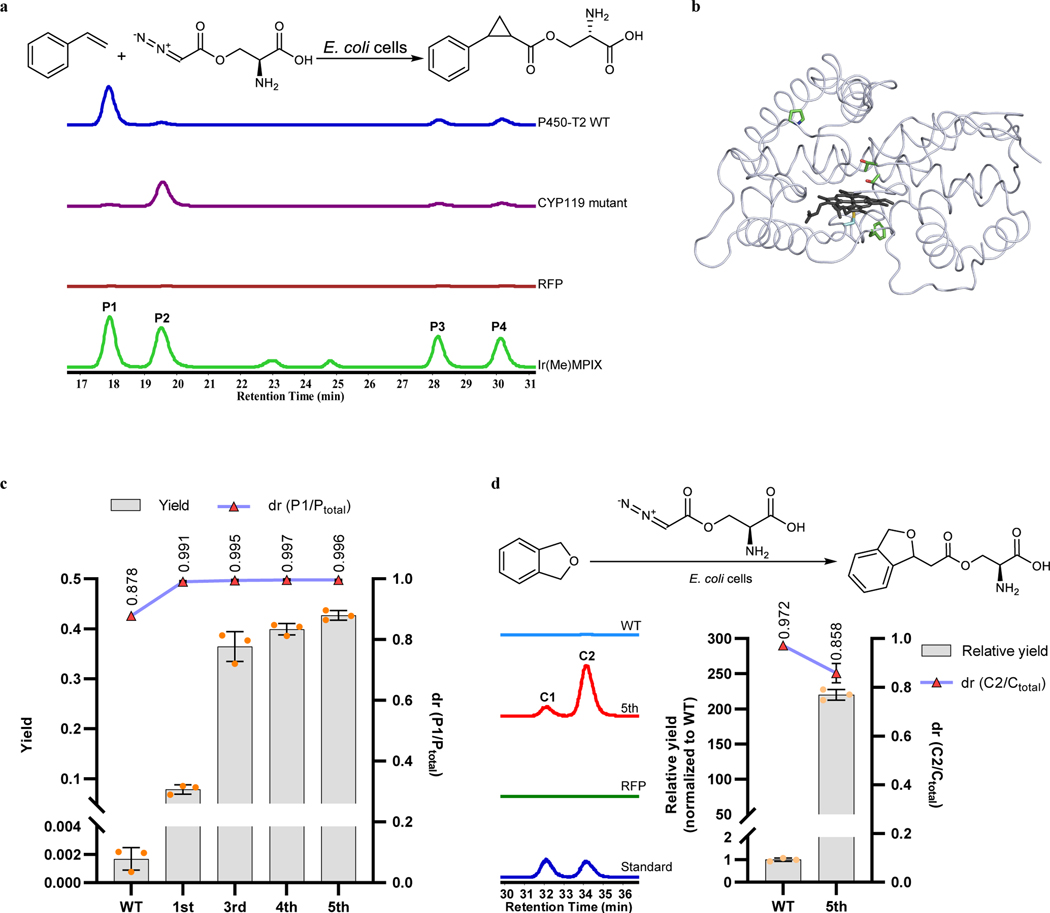
Fig. 3 |. Engineering cytochrome P450s to catalyze carbene transfer reactions with azaserine as the carbene precursor.
a, Screening P450s for catalyzing the reaction of styrene with azaserine. See the list of screened P450s and their mutants in Supplementary Table 1. EIC ([M+H]+, m/z 250.1074) for target products of reactions catalyzed by E. coli cells expressing different proteins. Representative traces are for two repeated experiments. RFP, E. coli cells expressing RFP (red fluorescence protein) as negative control; Ir(Me)MPIX, trace of the reaction products using Ir(Me)MPIX (with Na2S2O4) as catalyst for comparison. P1 to P4 are the four diastereomers formed by cyclopropanation of styrene with azaserine. b, Crystal structure of P450-T2 (PDB: 8FBC). Residues in green are mutation sites in the final evolved mutant. c, Directed evolution of P450-T2 for cyclopropanation of styrene with azaserine. d, P450-T2 WT and P450-T2–5 mutant for insertion of the carbene unit into the sp3 C–H bond of phthalan. C1 and C2 are the two diastereomers formed by the reaction of phthalan with azaserine. EIC ([M+H]+, m/z 266.1023) for target products. Representative traces for 3 biological repeats (left). Reaction conditions: 5 mM styrene or 10 mM pthalan, 5 mM azaserine, E. coli cells expressing different P450s or RFP (as control) with concentration of 30 OD600 (optical density at 600 nm) as catalysts, 5 vol% ethanol, M9-N buffer, conducted at 22 °C under aerobic conditions for 18 h. Ptotal and Ctotal, sum area for all corresponding diastereomers. In (c) and (d), numbers on the horizontal axis represent the selected mutants in each round of directed evolution (for the specific mutations, see Extended Data Table 1). Data are mean ± s.d.; n = 3 biological replicates.
Fig. 4 |
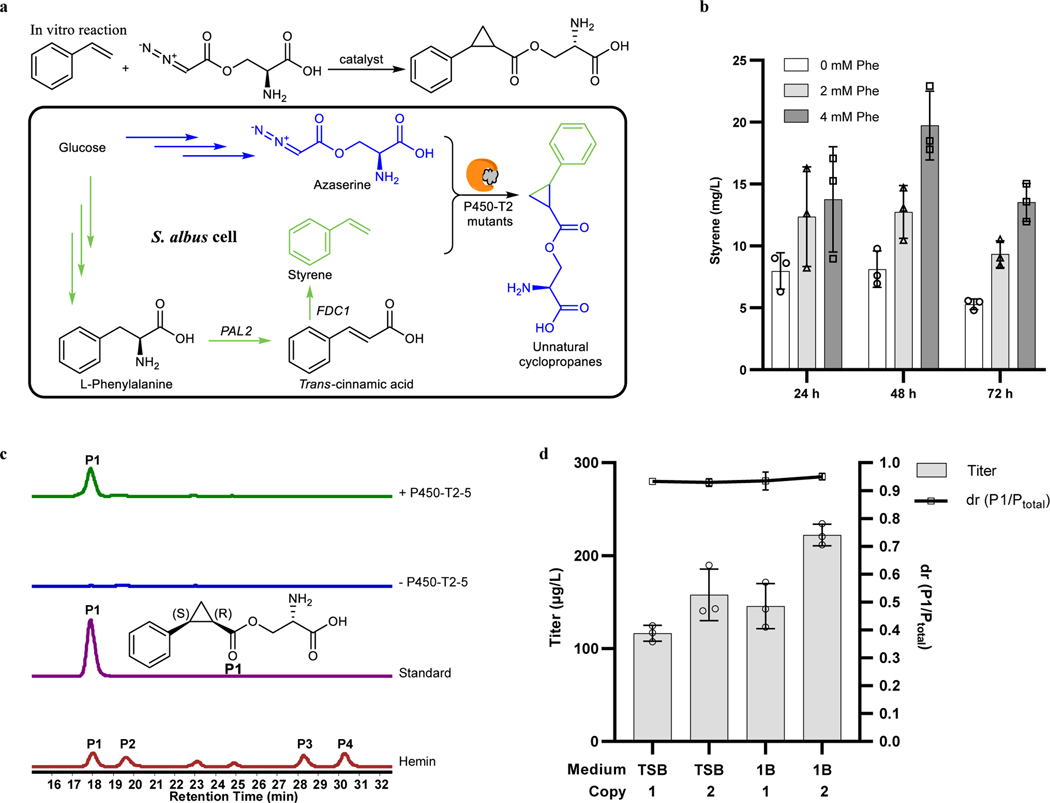
Fig. 4 |. Biosynthesis of unnatural cyclopropanes by an abiological carbene transfer reaction.
a, Schematic diagram for producing final products with substrates and enzymes made by the cells. b, Styrene biosynthesis in S. albus. 1B medium supplemented with 0 mM, 2 mM or 4 mM phenylalanine (Phe) for styrene production. c, Bio-production of the unnatural cyclopropanes. 1B medium with 4 mM Phe was used to generate the final products. EIC ([M+H]+, m/z 250.1074) for target products produced by the styrene-, azaserine-producing strain with or without P450-T2–5 mutant. Representative traces for 3 biological replicates. Standard, chemically synthesized single diastereomer standard of P1; hemin, trace of the reaction products of azaserine with styrene using hemin as catalyst (with Na2S2O4) for comparison. d, Final product titer optimization. TSB or 1B medium was used for azaserine-, styrene-producing S. albus strains with 1 or 2 copies of P450-T2–5 to generate the final products. P1 to P4 are the four diastereomers formed by cyclopropanation of styrene with azaserine. Ptotal, sum area for all diastereomers. Grey bars indicate the titer (b and d); white square indicates the dr (d). Data are mean ± s.d.; n = 3 biological replicates.

References

    1. Arnold FH Directed evolution: bringing new chemistry to life. Angew. Chem. Int. Ed. 57, 4143–4148 (2018). - PMC - PubMed
    1. Wallace S. & Balskus EP Interfacing microbial styrene production with a biocompatible cyclopropanation reaction. Angew. Chem. Int. Ed. 54, 7106–7109 (2015). - PMC - PubMed
    1. Huang J et al. Unnatural biosynthesis by an engineered microorganism with heterologously expressed natural enzymes and an artificial metalloenzyme. Nat. Chem. 13, 1186–1191 (2021). - PMC - PubMed
    1. Davies HML& Manning JR Catalytic C-H functionalization by metal carbenoid and nitrenoid insertion. Nature 451, 417–424 (2008). - PMC - PubMed
    1. Doyle MP, Duffy R, Ratnikov M& Zhou L Catalytic carbene insertion into C-H bonds. Chem. Rev. 110, 704–724 (2010). - PubMed

References for methods

    1. Fischer M. & Sawers RG A universally applicable and rapid method for measuring the growth of streptomyces and other filamentous microorganisms by methylene blue adsorption-desorption. Appl. Environ. Microbiol. 79, 4499–4502 (2013). - PMC - PubMed
    1. Aziz RK et al. The RAST server: rapid annotations using subsystems technology. BMC Genomics 9, 75 (2008). - PMC - PubMed
    1. Navarro-Munoz JC et al. A computational framework to explore large-scale biosynthetic diversity. Nat. Chem. Biol. 16, 60–68 (2020). - PMC - PubMed
    1. Nguyen LT, Schmidt HA, von Haeseler A. & Minh BQ IQ-TREE: a fast and effective stochastic algorithm for estimating maximum-likelihood phylogenies. Mol. Biol. Evol. 32, 268–274 (2015). - PMC - PubMed
    1. Winter G, Lobley CMC & Prince SM Decision making in xia2. Acta Crystallogr. Sect. D Biol. Crystallogr. 69, 1260–1273 (2013). - PMC - PubMed

Publication types

MeSH terms

Supplementary concepts