


Integrated cognitive behavioral treatment for substance use and depressive symptoms: a homeless case series and feasibility study
- PMID: 37147667
- PMCID: PMC10161417
- DOI: 10.1186/s40814-023-01305-2
Integrated cognitive behavioral treatment for substance use and depressive symptoms: a homeless case series and feasibility study
Abstract
Background: Homelessness is associated with high prevalence of psychiatric disorders such as substance use disorders, including alcohol use disorder, and depression.
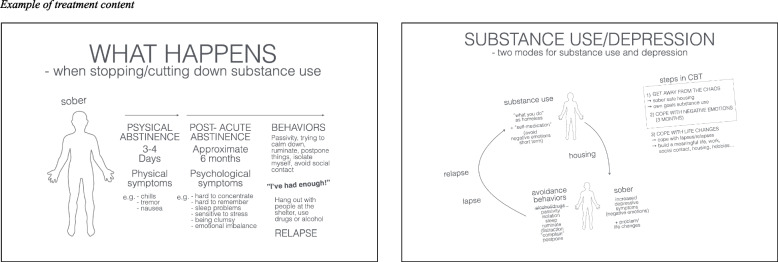
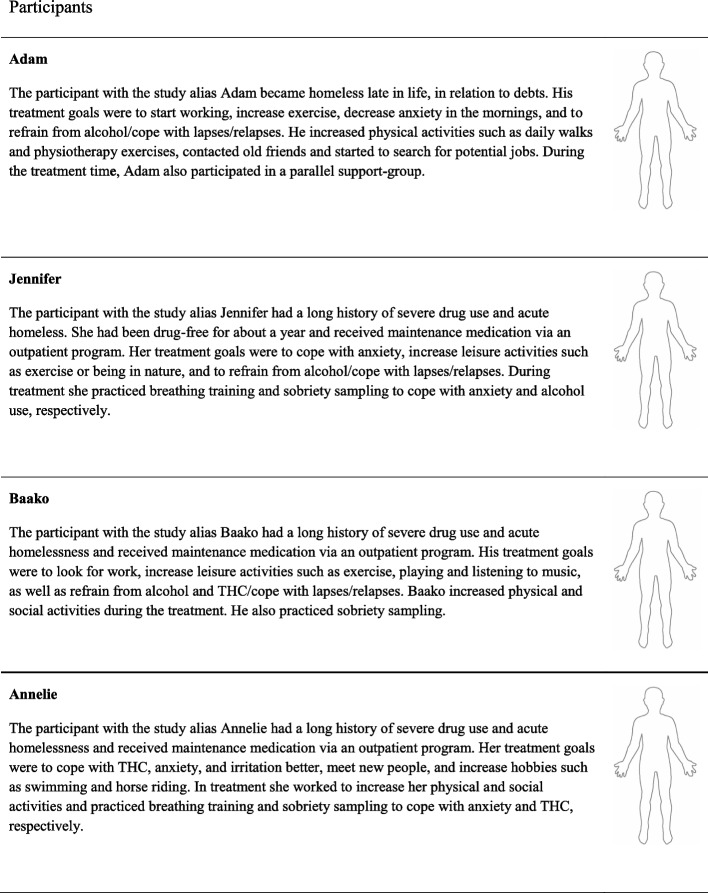
Methods: This case series and feasibility trial evaluated a novel integrated cognitive behavioral treatment (ICBT), which was adapted specifically for homeless individuals and developed to treat substance use and depressive symptoms simultaneously. The ICBT was delivered among four homeless individuals enrolled in the Treatment First program (a social services program where treatment is offered in conjunction with temporary transitional housing), who had access to stable and sober housing milieus.
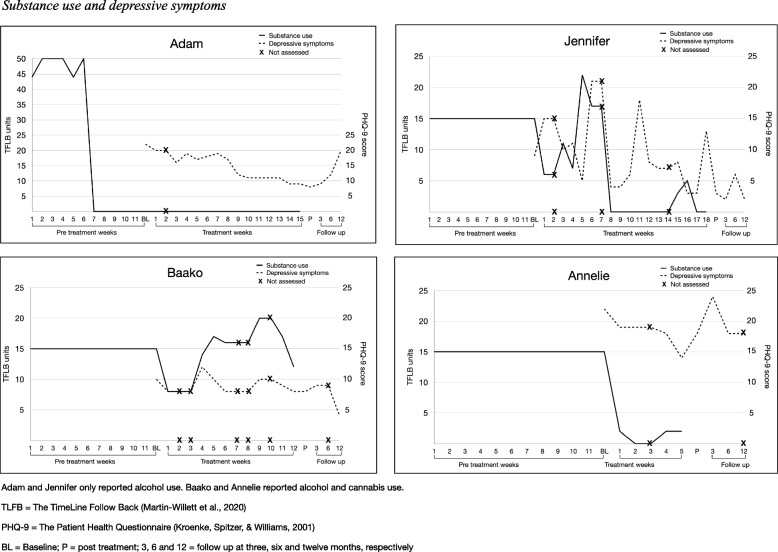
Results: The ICBT was rated high in expectancy of improvement, credibility, and satisfaction, with few treatment-related adverse events, and fairly high treatment retention. At 12 months follow-up, three of four participants were not homeless anymore. Some participants experienced short-term reductions in substance use and/or depressive symptoms.
Conclusions: The study provided preliminary support that the ICBT can be a feasible and potentially effective treatment for homeless individuals with substance use and/or depressive symptoms. However, the delivery format within the Treatment First program was not feasible. The ICBT could be offered within the social services Housing First program instead (where permanent housing is offered before treatment), or to non-homeless individuals.
Trial registration: The study was registered retrospectively at ClinicalTrials.gov (NCT05329181).
Keywords: Alcohol use disorder; Depressive symptoms; Feasibility study; Homeless; Integrated cognitive behavioral treatment; Substance use disorder; Treatment first.
© 2023. The Author(s).
Conflict of interest statement
The authors declare that they have no competing interests.
Figures
References
Associated data
LinkOut - more resources
Full Text Sources
Medical
