. 2023 Jun 15;133(12):e163548.
doi: 10.1172/JCI163548.

Patient-tailored adoptive immunotherapy with EBV-specific T cells from related and unrelated donors

Affiliations

Patient-tailored adoptive immunotherapy with EBV-specific T cells from related and unrelated donors

Agnes Bonifacius et al. J Clin Invest. .

Abstract

BACKGROUNDAdoptive transfer of EBV-specific T cells can restore specific immunity in immunocompromised patients with EBV-associated complications.METHODSWe provide results of a personalized T cell manufacturing program evaluating donor, patient, T cell product, and outcome data. Patient-tailored clinical-grade EBV-specific cytotoxic T lymphocyte (EBV-CTL) products from stem cell donors (SCDs), related third-party donors (TPDs), or unrelated TPDs from the allogeneic T cell donor registry (alloCELL) at Hannover Medical School were manufactured by immunomagnetic selection using a CliniMACS Plus or Prodigy device and the EBV PepTivators EBNA-1 and Select. Consecutive manufacturing processes were evaluated, and patient outcome and side effects were retrieved by retrospective chart analysis.RESULTSForty clinical-grade EBV-CTL products from SCDs, related TPDs, or unrelated TPDs were generated for 37 patients with refractory EBV infections or EBV-associated malignancies with and without a history of transplantation, within 5 days (median) after donor identification. Thirty-four patients received 1-14 EBV-CTL products (fresh and cryopreserved). EBV-CTL transfer led to a complete response in 20 of 29 patients who were evaluated for clinical response. No infusion-related toxicity was reported. EBV-specific T cells in patients' blood were detectable in 16 of 18 monitored patients (89%) after transfer, and their presence correlated with clinical response.CONCLUSIONPersonalized clinical-grade manufacture of EBV-CTL products via immunomagnetic selection from SCDs, related TPDs, or unrelated TPDs in a timely manner is feasible. Overall, EBV-CTLs were clinically effective and well tolerated. Our data suggest EBV-CTL transfer as a promising therapeutic approach for immunocompromised patients with refractory EBV-associated diseases beyond HSCT, as well as patients with preexisting organ dysfunction.TRIAL REGISTRATIONNot applicable.FUNDINGThis study was funded in part by the German Research Foundation (DFG, 158989968/SFB 900), the Deutsche Kinderkrebsstiftung (DKS 2013.09), Wilhelm-Sander-Stiftung (reference 2015.097.1), Ellen-Schmidt-Program of Hannover Medical School, and German Federal Ministry of Education and Research (reference 01EO0802).

Keywords: Adaptive immunity; Immunotherapy; T cells; Therapeutics.


Figures
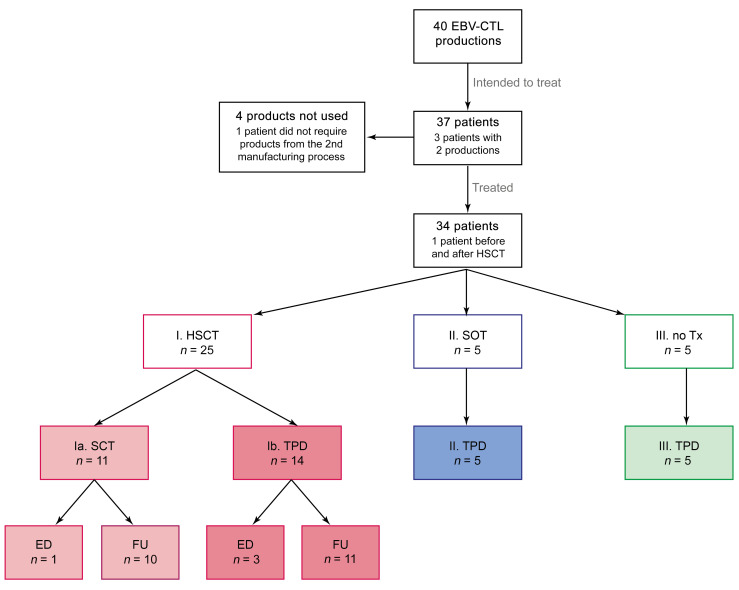
Figure 1
Figure 1. Patient cohort for planned EBV-CTL transfer.
EBV-CTL productions and intended/treated patient population. One patient received EBV-CTLs before and after HSCT and is therefore recorded in groups IB and IIIA. One patient in group Ia received EBV-CTLs from 2 separate productions from the same donor. pt, patient; Tx, transplantation; ED, early death; FU, follow up.
Figure 2
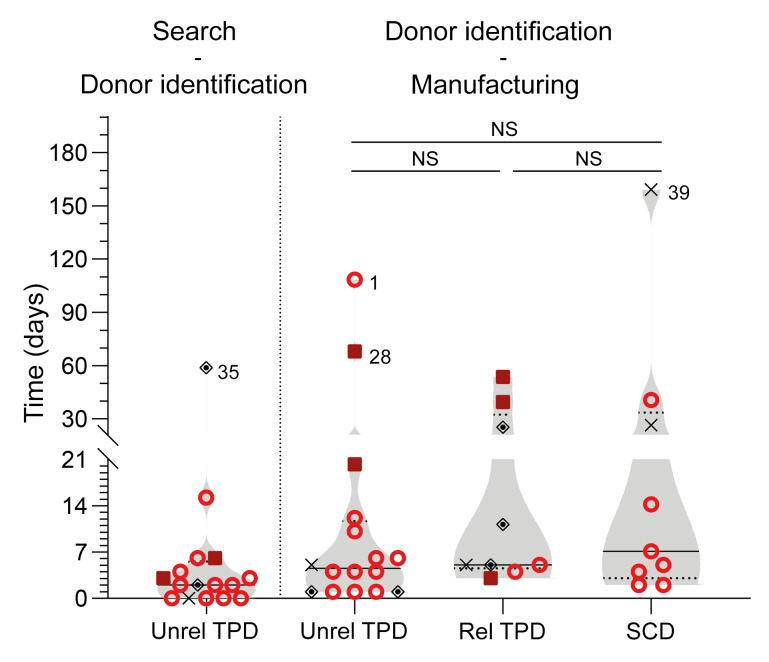
Figure 2. Time between donor search, identification, and manufacturing.
Left: Time between donor search and identification for unrelated (unrel) TPDs (left); right: time between donor identification and start of manufacture for each donor origin. Statistical significance was calculated using Kruskal-Wallis test, followed by Dunn’s multiple-comparisons test. NS, not significant, P > 0.05. rel, related. Violin plots show median; each symbol represents 1 patient. Red circles, HSCT patients with HSCT (groups Ia/Ib); red squares, patients with SOT (group II); black diamonds, no Tx (group III); black X’s, EBV-CTLs not applied.
Figure 3
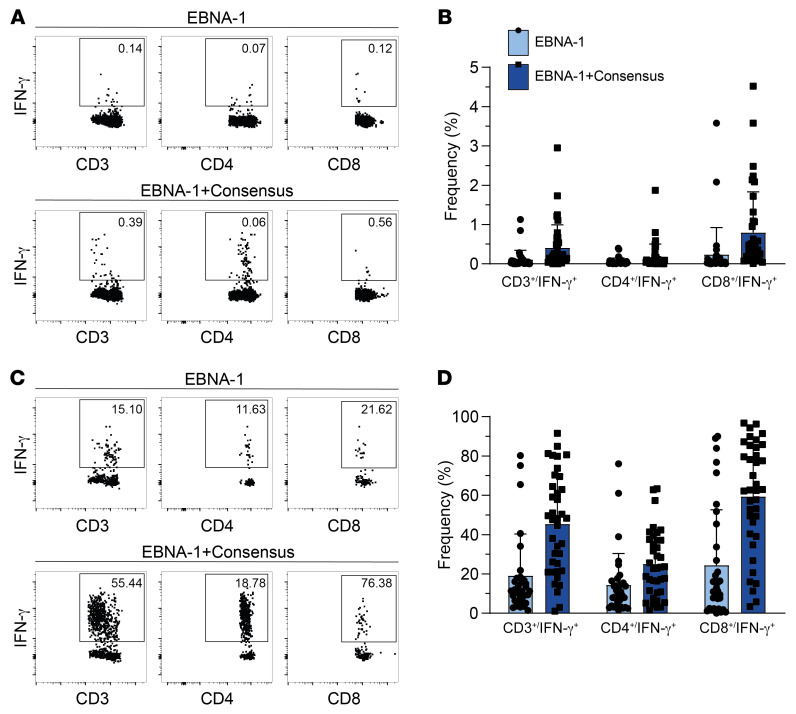
Figure 3. Frequencies of EBV-specific T cells in T cell donors before and after magnetic enrichment by IFN-γ CSA.
Stimulation of donor PBMCs was done with PepTivator EBNA-1 alone (n = 34) and a combination of PepTivator EBNA-1 and PepTivator Consensus (n = 38). Differences in the numbers of donors tested are due to the amount of PBMCs obtained, which did not allow for testing the frequency of EBNA‑1–specific T cells alone in 4 of 38 donors. Exemplary FACS plots pregated on viable CD3+, CD3+CD4+ (middle), and CD3+CD8+ (right) lymphocytes. (A and B) Representative FACS plots and summarizing graphs show frequencies of IFN‑γ+ cells among CD3+, CD4+, and CD8+ T cells before magnetic enrichment as indicated. (C and D) Representative FACS plots and summarizing graphs show IFN‑γ+ cells among CD3+, CD4+, and CD8+ T cells after magnetic enrichment as indicated. Bar graphs show mean + SD, and each dot represents data from one donor.
Figure 4
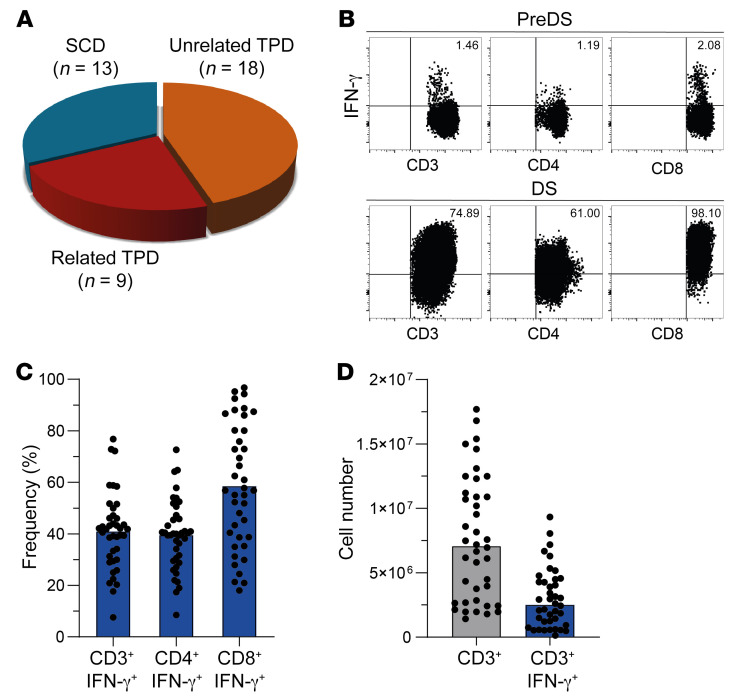
Figure 4. Clinical-grade EBV-CTL manufacturing.
Enrichment of IFN‑γ–secreting, EBV-specific CD3+, CD4+, and CD8+ T cells after incubation with GMP-grade PepTivators EBV EBNA-1 and EBV Select in combination using the CliniMACS CCS and CliniMACS Plus or Prodigy device. (A) Donor origin. (B) Representative FACS plots. Gates were set according to fluorescence minus one (FMO) control. preDS, drug substance before magnetic enrichment; DS, drug substance after magnetic enrichment. (C and D) Frequencies and numbers of total CD3+ and IFN-γ–secreting, EBV-specific CD3+, CD4+, and CD8+ T cells after stimulation with GMP-grade PepTivators EBNA-1 and EBV Select and enrichment using the CliniMACS CCS and CliniMACS Plus or Prodigy device. Bar graphs depict mean (C) or median (D), and each dot represents data from 1 manufacturing process (n = 40).
Figure 5
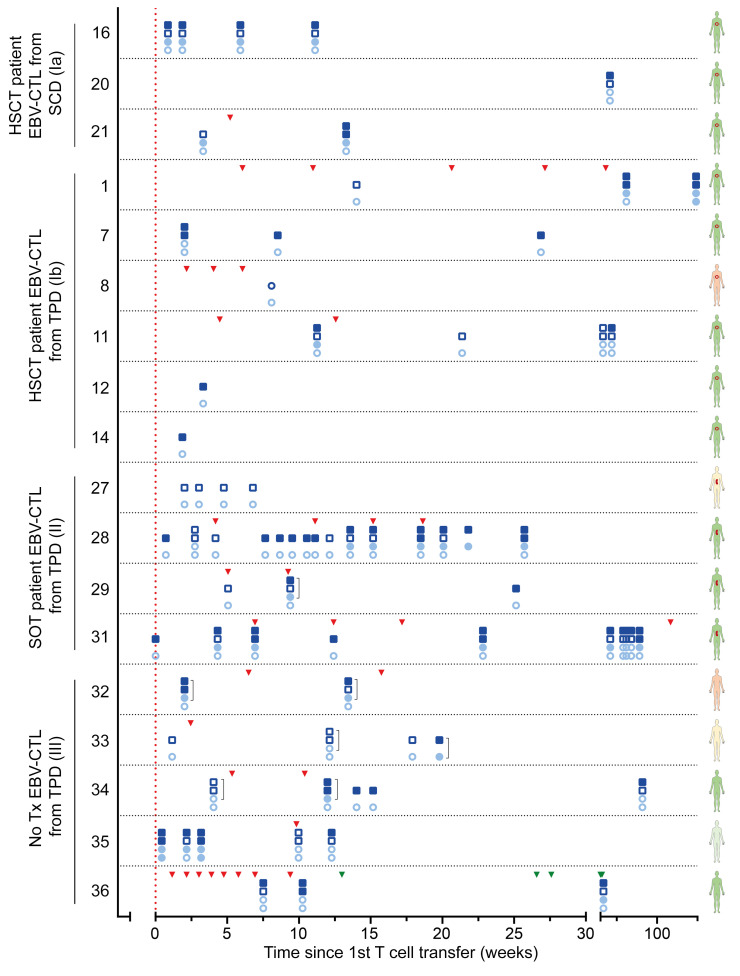
Figure 5. Immune monitoring in individual patients by IFN-γ ELISpot assay.
Peripheral blood samples obtained from patients (identification number indicated on the y axis) at different time points after first EBV-CTL transfer (indicated on the x axis; in weeks) were subjected to IFN-γ ELISpot assay using EBV_EBNA-1 (light blue) and EBV_Consensus (dark blue) to restimulate EBV-specific memory T cells. Lower circles indicate results from direct EBV_EBNA-1 ELISpot; upper circles indicate results from EBV_EBNA-1 ELISpot after expansion. For each patient, lower circles indicate results from direct EBV_EBNA-1 ELISpot; upper circles indicate results from EBV_EBNA-1 ELISpot after expansion. For each patient, lower squares indicate results from direct EBV_Consensus ELISpot, upper squares indicate results from EBV_Consensus ELISpot after expansion. Square brackets (]) indicate combined stimulation with both EBV_EBNA-1 and EBV_Consensus. Empty symbols indicate that no specific T cells were detected, while filled symbols indicate that specific T cells were detected. The vertical dashed line and triangles indicate time points of T cell transfer. No. 36: green triangles indicate T cell transfer from a second manufacturing process (no. 24). Schematics of human figures on the right indicate the type of transplant (red circle: HSCT; kidney shape: SOT) and clinical response (green: CR; light green: PR; yellow: SD; orange: PD).
Figure 6
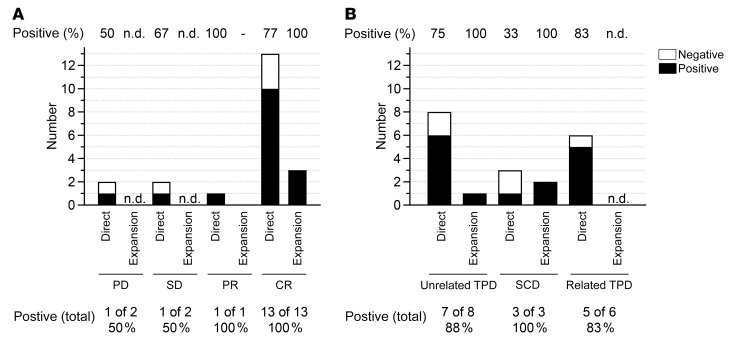
Figure 6. T cell monitoring results.
Detection of IFN‑γ–secreting T cells in patient PBMCs after stimulation with PepTivator EBV_EBNA-1 or EBV Consensus using IFN-γ ELISpot assay. Positive: Spots in at least one of the EBV peptide pools. Negative: No spots. Results shown for “Expansion” include only those patients without detectable EBV-CTLs via direct IFN-γ ELISpot assay. Numbers and frequencies (bottom) indicate in how many patients among the total tested EBV-CTLs were detected via either direct IFN-γ ELISpot or after expansion. (A) T cell monitoring results based on clinical response. (B) T cell monitoring results based on donor origin. n.d. not determined.

References

    1. Bollard CM, Heslop HE. T cells for viral infections after allogeneic hematopoietic stem cell transplant. Blood. 2016;127(26):3331–3340. doi: 10.1182/blood-2016-01-628982. - DOI - PMC - PubMed
    1. Callan MF. The evolution of antigen-specific CD8+ T cell responses after natural primary infection of humans with Epstein-Barr virus. Viral Immunol. 2003;16(1):3–16. doi: 10.1089/088282403763635401. - DOI - PubMed
    1. Dharnidharka VR, et al. Post-transplant lymphoproliferative disorders. Nat Rev Dis Primers. 2016;2:15088. doi: 10.1038/nrdp.2015.88. - DOI - PubMed
    1. Al Hamed R, et al. Epstein-Barr virus-related post-transplant lymphoproliferative disease (EBV-PTLD) in the setting of allogeneic stem cell transplantation: a comprehensive review from pathogenesis to forthcoming treatment modalities. Bone Marrow Transplant. 2020;55(1):25–39. doi: 10.1038/s41409-019-0548-7. - DOI - PubMed

    1. Bollard CM, et al. T-cell therapy in the treatment of post-transplant lymphoproliferative disease. Nat Rev Clin Oncol. 2012;9(9):510–519. doi: 10.1038/nrclinonc.2012.111. - DOI - PMC - PubMed

Publication types