


Research on tire crack detection using image deep learning method
- PMID: 37198216
- PMCID: PMC10192369
- DOI: 10.1038/s41598-023-35227-z
Research on tire crack detection using image deep learning method
Abstract
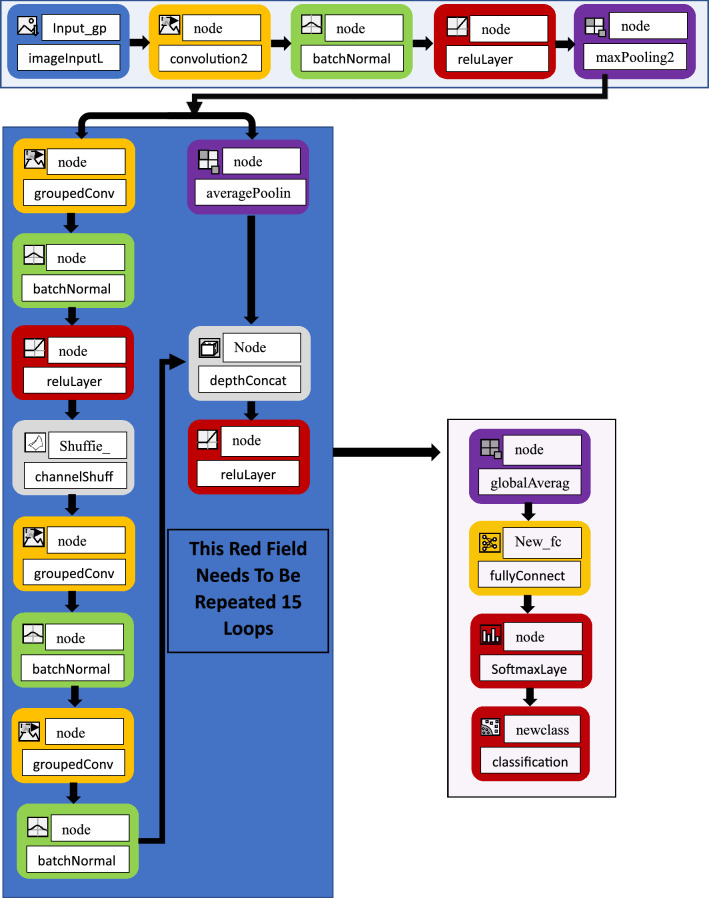
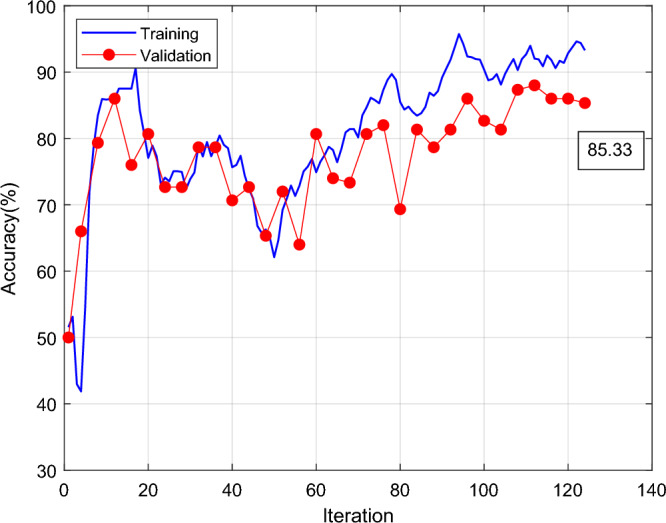
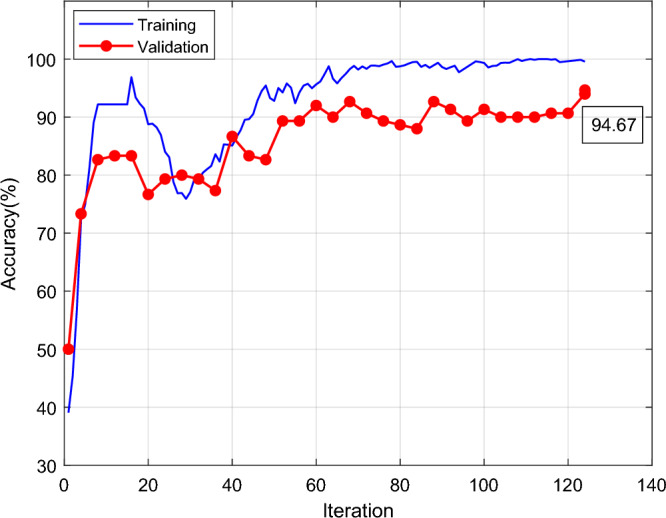
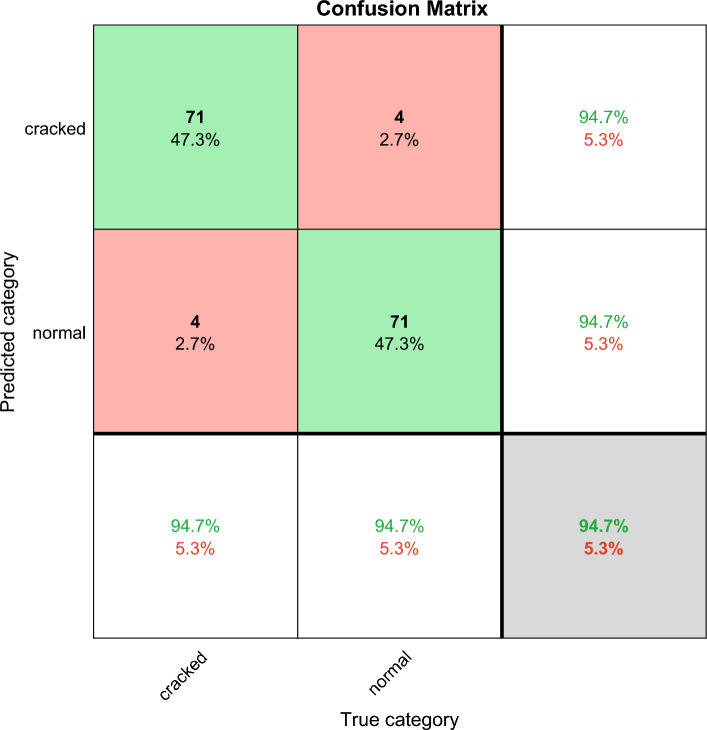
Driving can understand the importance of tire tread depth and air pressure, but most people are unaware of the safety risks of tire oxidation. Drivers must maintain vehicle tire quality to ensure performance, efficiency, and safety. In this study, a deep learning tire defect detection method was designed. This paper improves the traditional ShuffleNet and proposes an improved ShuffleNet method for tire image detection. The research results are compared with the five methods of GoogLeNet, traditional ShuffleNet, VGGNet, ResNet and improved ShuffleNet through tire database verification. The experiment found that the detection rate of tire debris defects was 94.7%. Tire defects can be effectively detected, which proves the robustness and effectiveness of the improved ShuffleNet, enabling drivers and tire manufacturers to save labor costs and greatly reduce tire defect detection time.
© 2023. The Author(s).
Conflict of interest statement
The author declares no competing interests.
Figures






References
-
- Guo Q, Zhang C, Liu H, Pietro S, et al. Defect detection in tire X-ray images using weighted texture dissimilarity. J. Sens. 2016;2016:1–12.
-
- Wang R, Guo Q, Lu S, et al. Tire defect detection using fully convolutional network. IEEE Access. 2019;7:43502–43510. doi: 10.1109/ACCESS.2019.2908483. - DOI
-
- Zheng Z, Zhang S, Yu B, et al. Defect inspection in tire radiographic image using concise semantic segmentation. IEEE Access. 2020;8:112674–112687. doi: 10.1109/ACCESS.2020.3003089. - DOI
-
- Li Y, et al. A novel severity calibration algorithm for defect detection by constructing maps. Inf. Sci. 2022;607:1600–1616. doi: 10.1016/j.ins.2022.06.076. - DOI
Grants and funding
LinkOut - more resources
Full Text Sources
