


Evaluating compliance and applicability of postpartum pessary use for preventing and treating pelvic floor dysfunction: a prospective multicenter study
- PMID: 37210701
- PMCID: PMC10293351
- DOI: 10.1007/s00404-023-07075-9
Evaluating compliance and applicability of postpartum pessary use for preventing and treating pelvic floor dysfunction: a prospective multicenter study
Abstract
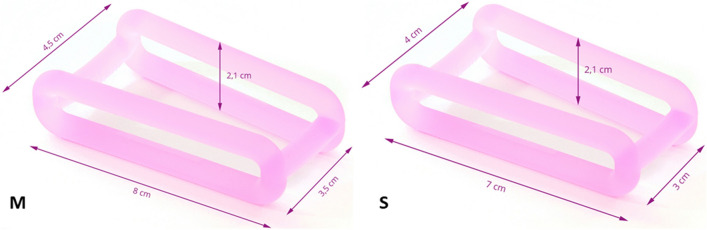
Purpose: Pelvic floor disorders are common and associated with pregnancy and childbirth. For restitution of pelvic floor connective tissue and thereby therapy of postpartum pelvic organ prolapse and stress urinary incontinence, the Restifem® pessary is approved. It supports the anterior vaginal wall behind the symphysis, the lateral sulci and the sacro-uterine ligaments and stabilises the connective tissue. We evaluated the compliance and applicability of Restifem® use in women postpartum in a preventive and therapeutic approach.
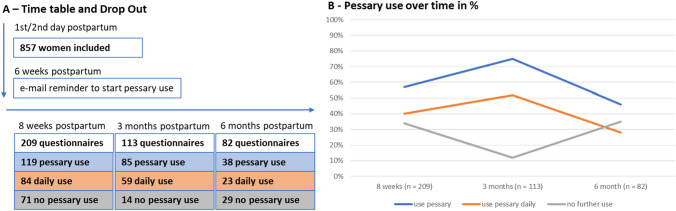
Methods: Restifem® pessary was handed out to 857 women. Six weeks after birth, they started the pessary use. After 8 weeks, 3 and 6 months postpartum, women received a questionnaire via online survey for evaluation of pessary applicability and efficacy.
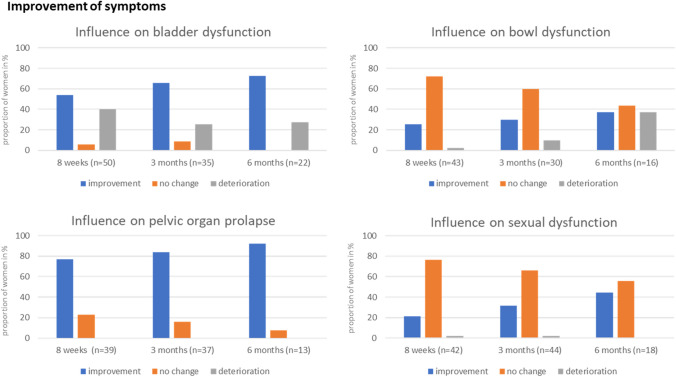
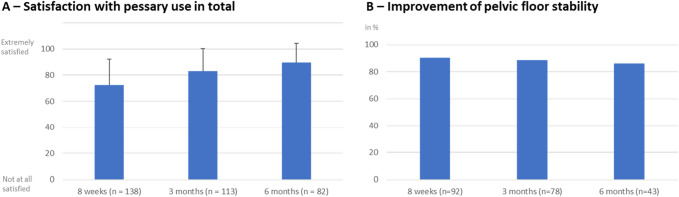
Results: After 8 weeks, 209 women answered the questionnaire. 119 women used the pessary. Common problems were discomfort, pain and the pessary use was to circuitous. Vaginal infections were rare. After 3 months, 85 women and after 6 months, 38 women still used the pessary. 3 months postpartum, 94% of women with POP, 72% of women with UI and 66% of women with OAB stated to have an improvement of their symptoms using the pessary. 88% women without any disorder felt an improvement of stability.
Conclusions: Use of the Restifem® pessary in the postpartum period is feasible and accompanied with less complications. It reduces POP and UI and leads to an increased sense of stability. So, Restifem® pessary can be offered to women postpartum to improve pelvic floor dysfunction.
Keywords: Compliance; Pelvic floor dysfunction; Pessary therapy; Postpartum; Prevention.
© 2023. The Author(s).
Conflict of interest statement
None of the authors have any conflicts of interest regarding this work.
Figures
References
-
- Kruger JA, Budgett SC, Wong V, Nielsen PMF, Nash MP, Smalldridge J, Hayward LM, Tian TY, Taberner AJ. Characterizing levator-ani muscle stiffness pre- and post-childbirth in European and Polynesian women in New Zealand: a pilot study. Acta Obstet Gynecol Scand. 2017;96(10):1234–1242. doi: 10.1111/aogs.13186. - DOI - PubMed
Publication types
MeSH terms
LinkOut - more resources
Full Text Sources
Medical
