


Neutrophil sub-types in maintaining immune homeostasis during steady state, infections and sterile inflammation
- PMID: 37212866
- PMCID: PMC10201050
- DOI: 10.1007/s00011-023-01737-9
Neutrophil sub-types in maintaining immune homeostasis during steady state, infections and sterile inflammation
Abstract
Introduction: Neutrophils are component of innate immune system and a) eliminate pathogens b) maintain immune homeostasis by regulating other immune cells and c) contribute to the resolution of inflammation. Neutrophil mediated inflammation has been described in pathogenesis of various diseases. This indicates neutrophils do not represent homogeneous population but perform multiple functions through confined subsets. Hence, in the present review we summarize various studies describing the heterogeneous nature of neutrophils and associated functions during steady state and pathological conditions.
Methodology: We performed extensive literature review with key words 'Neutrophil subpopulations' 'Neutrophil subsets', Neutrophil and infections', 'Neutrophil and metabolic disorders', 'Neutrophil heterogeneity' in PUBMED.
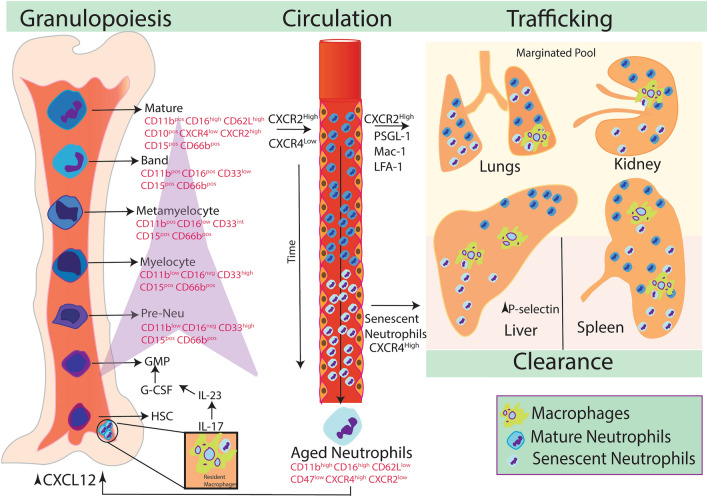
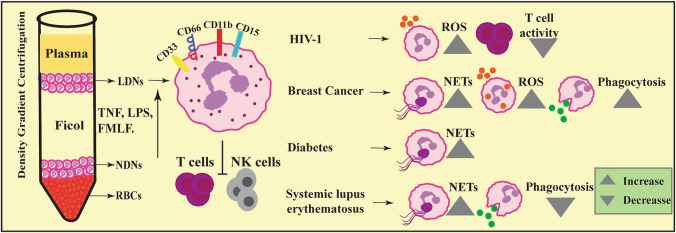
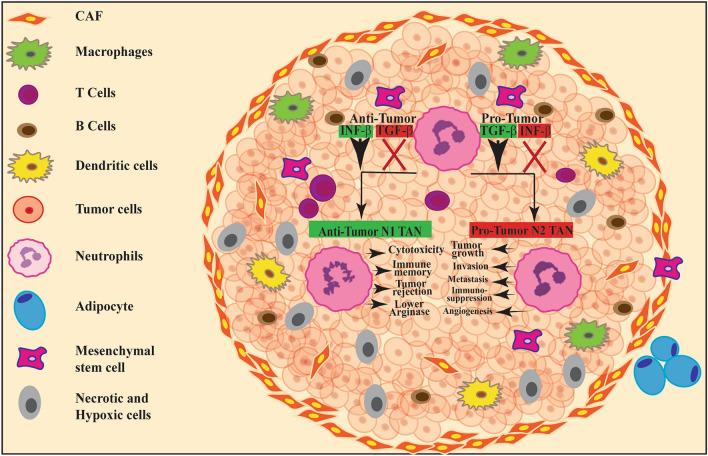
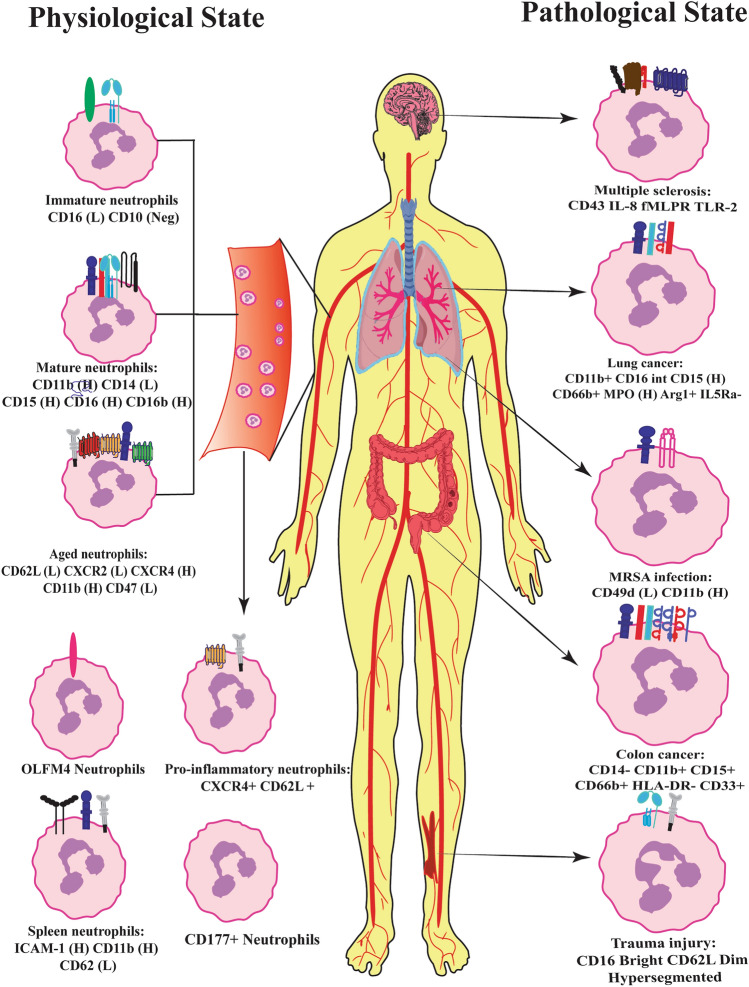
Results: Neutrophil subtypes are characterized based on buoyancy, cell surface markers, localization and maturity. Recent advances in high throughput technologies indicate the existence of functionally diverse subsets of neutrophils in bone marrow, blood and tissues in both steady state and pathological conditions. Further, we found proportions of these subsets significantly vary in pathological conditions. Interestingly, stimulus specific activation of signalling pathways in neutrophils have been demonstrated.
Conclusion: Neutrophil sub-populations differ among diseases and hence, mechanisms regulating formation, sustenance, proportions and functions of these sub-types vary between physiological and pathological conditions. Hence, mechanistic insights of neutrophil subsets in disease specific manner may facilitate development of neutrophil-targeted therapies.
Keywords: Auto immune diseases; Granulopoiesis; Heterogeneity; Infections; Neutrophils.
© 2023. The Author(s).
Conflict of interest statement
The authors declare no competing interests.
The authors declare that they have no conflict of interest.
Figures
References
-
- Joshi MB, Ahamed R, Hegde M, Nair AS, Ramachandra L, Satyamoorthy K. Glucose induces metabolic reprogramming in neutrophils during type 2 diabetes to form constitutive extracellular traps and decreased responsiveness to lipopolysaccharides. Biochim Biophys Acta Mol Basis Dis. 2020;1866:165940. doi: 10.1016/j.bbadis.2020.165940. - DOI - PubMed
Publication types
MeSH terms
Grants and funding
LinkOut - more resources
Full Text Sources
