


ChatGPT-4 and the Global Burden of Disease Study: Advancing Personalized Healthcare Through Artificial Intelligence in Clinical and Translational Medicine
- PMID: 37223340
- PMCID: PMC10204616
- DOI: 10.7759/cureus.39384
ChatGPT-4 and the Global Burden of Disease Study: Advancing Personalized Healthcare Through Artificial Intelligence in Clinical and Translational Medicine
Abstract
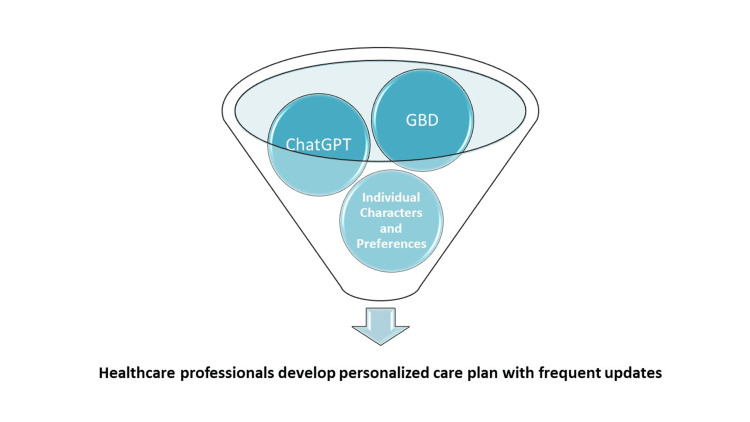
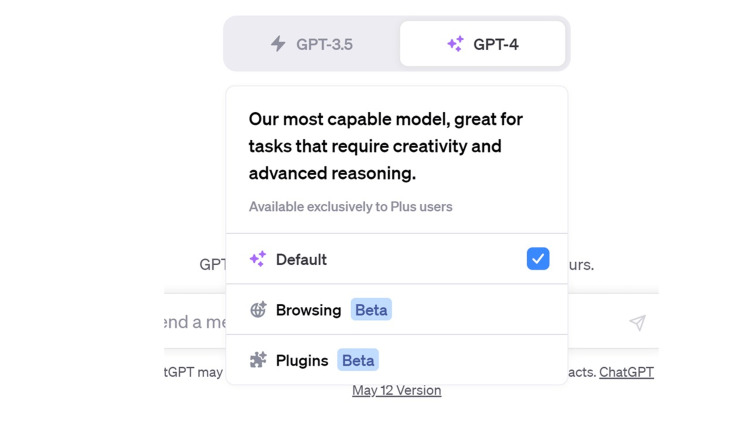
The fusion of insights from the comprehensive global burden of disease (GBD) study and the advanced artificial intelligence of open artificial intelligence (AI) chat generative pre-trained transformer version 4 (ChatGPT-4) brings the potential to transform personalized healthcare planning. By integrating the data-driven findings of the GBD study with the powerful conversational capabilities of ChatGPT-4, healthcare professionals can devise customized healthcare plans that are adapted to patients' lifestyles and preferences. We propose that this innovative partnership can lead to the creation of a novel AI-assisted personalized disease burden (AI-PDB) assessment and planning tool. For the successful implementation of this unconventional technology, it is crucial to ensure continuous and accurate updates, expert supervision, and address potential biases and limitations. Healthcare professionals and stakeholders should have a balanced and dynamic approach, emphasizing interdisciplinary collaborations, data accuracy, transparency, ethical compliance, and ongoing training. By investing in the unique strengths of both ChatGPT-4, especially its newly introduced features such as live internet browsing or plugins, and the GBD study, we may enhance personalized healthcare planning. This innovative approach has the potential to improve patient outcomes and optimize resource utilization, as well as pave the way for the worldwide implementation of precision medicine, thereby revolutionizing the existing healthcare landscape. However, to fully harness these benefits at both the global and individual levels, further research and development are warranted. This will ensure that we effectively tap into the potential of this synergy, bringing societies closer to a future where personalized healthcare is the norm rather than the exception.
Keywords: ai-assisted personalized disease burden; chatbots; chatgpt-4; global burden of disease (gbd); personalized healthcare plan; precision medicine.
Copyright © 2023, Temsah et al.
Conflict of interest statement
The authors have declared that no competing interests exist.
Figures
References
-
- Global Burden of Disease (GBD) [ Apr; 2023 ]. 2023. https://www.healthdata.org/gbd https://www.healthdata.org/gbd
-
- Harnessing big data, smart and digital technologies and artificial intelligence for preventing, early intercepting, managing, and treating psoriatic arthritis: insights from a systematic review of the literature. Bragazzi NL, Bridgewood C, Watad A, Damiani G, Kong JD, McGonagle D. Front Immunol. 2022;13:847312. - PMC - PubMed
-
- ChatGPT: friend or foe? The Lancet Digital Health. Lancet Digit Health. 2023;5:0. - PubMed
Publication types
LinkOut - more resources
Full Text Sources
Miscellaneous