


Effects of phenylcapsaicin on aerobic capacity and physiological parameters in active young males: a randomized, triple-blinded, placebo-controlled, crossover trial
- PMID: 37228817
- PMCID: PMC10203624
- DOI: 10.3389/fphys.2023.1190345
Effects of phenylcapsaicin on aerobic capacity and physiological parameters in active young males: a randomized, triple-blinded, placebo-controlled, crossover trial
Abstract
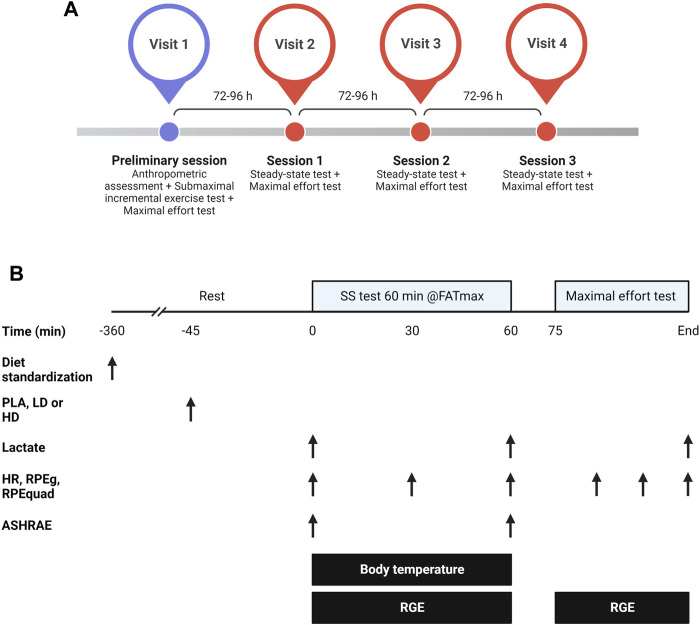
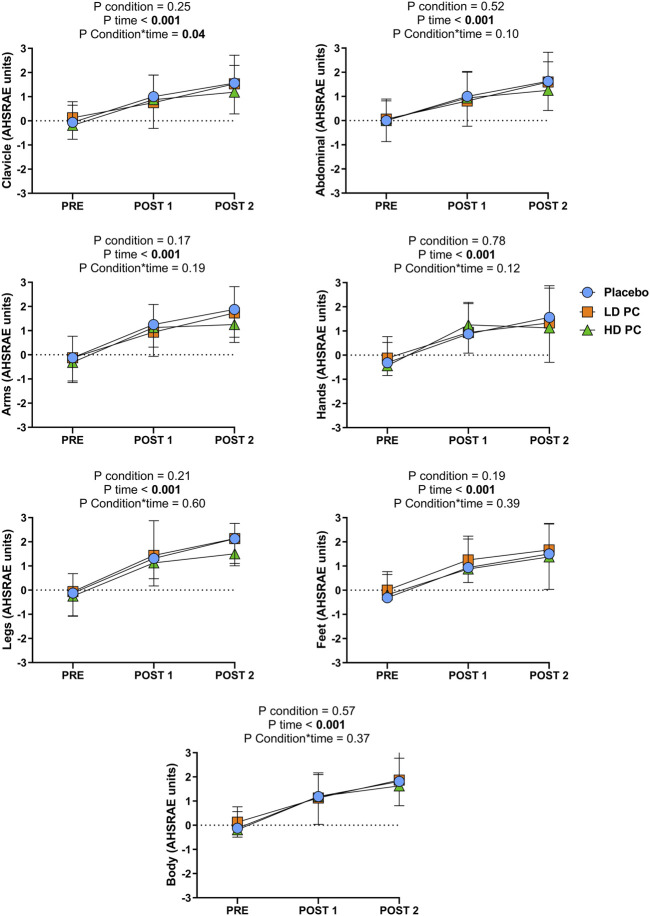
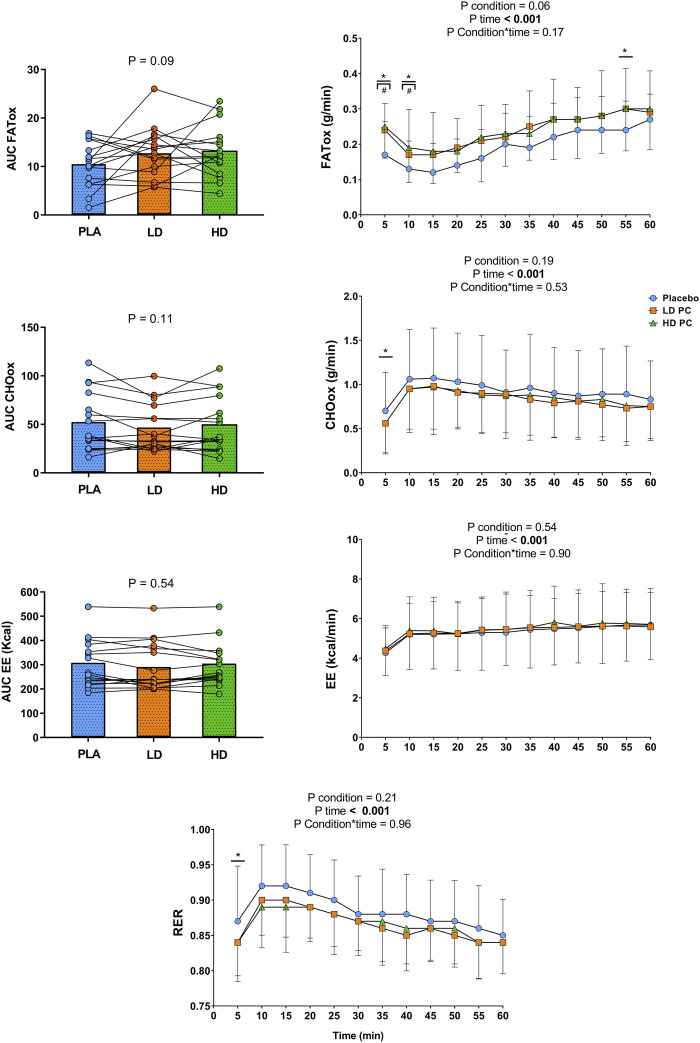
Objective: Phenylcapsaicin (PC) is a new capsaicin analog which has exhibited a higher bioavailability. This sudy assessed the effects of a low dose (LD) of 0.625 mg and a high dose (HD) of 2.5 mg of PC on aerobic capacity, substrate oxidation, energy metabolism and exercise physiological variables in young males. Materials and methods: Seventeen active males (age = 24.7 ± 6.0 years) enrolled to this randomized, triple-blinded, placebo-controlled, crossover trial. Participants attended the laboratory on 4 sessions separated by 72-96 h. A submaximal exercise test [to determine maximal fat oxidation (MFO) and the intensity at MFO (FATmax)] followed by a maximal incremental test (to determine VO2max) were performed in a preliminary session. The subsequent sessions only differed in the supplement ingested [LD, HD or placebo (PLA)] and consisted of a steady-state test (60 min at FATmax) followed by a maximal incremental test. Energy metabolism, substrate oxidation, heart rate, general (gRPE) and quadriceps (RPEquad) rate of perceived exertion, skin temperature and thermal perception were tested. Results: Clavicle thermal perception was lower in HD compared to PLA and LD (p = 0.04) across time. HD reduced maximum heart rate in comparison to PLA and LD (p = 0.03). LD reported higher general RPE (RPEg) values during the steady-state test compared to PLA and HD across time (p = 0.02). HD and LD elicited higher peak of fat oxidation during the steady-state test compared with PLA (p = 0.05). Intra-test analyses revealed significant differences for fat oxidation (FATox) in favor of HD and LD compared to PLA (p = 0.002 and 0.002, respectively), and for carbohydrate oxidation (CHOox) (p = 0.05) and respiratory exchange ratio (RER) (p = 0.03) for PLA. In the incremental test, only general RPE at 60% of the maximal intensity (W) differed favoring HD (p ≤ 0.05). Conclusion: Therefore, PC may contribute to increase aerobic capacity through the improvement of fat oxidation, maximum heart rate and perceptual responses during exercise.
Keywords: ergogenic aid; exercise capacity; exercise metabolism; phenylcapsaicin; substrate oxidation.
Copyright © 2023 Jiménez-Martínez, Alix-Fages, Janicijevic, Miras-Moreno, Chacón-Ventura, Martín-Olmedo, De La Cruz-Márquez, Osuna-Prieto, Jurado-Fasoli, Amaro-Gahete, García-Ramos and Colado.
Conflict of interest statement
PJ-M, DJ, JM-O, and CA-F are scientific advisors of a sports supplement brand (Life Pro Nutrition). The remaining authors declare that the research was conducted in the absence of any commercial or financial relationships that could be construed as a potential conflict of interest.
Figures
References
-
- Alix-fages C., Baz-valle E., González-cano H., Jiménez-martínez P., Balsalobre-fernández C. (2023). Mental Fatigue From Smartphone Use or Stroop Task Does Not Affect Bench Press Force – velocity Pro fi le, One-Repetition Maximum, or Vertical Jump Performance. Mot. Control, 1–14. 10.1123/mc.2022-0133 - DOI - PubMed
LinkOut - more resources
Full Text Sources
Research Materials
