


Peritoneal tuberculosis in an immunocompetent patient: A case report
- PMID: 37234728
- PMCID: PMC10205527
- DOI: 10.1016/j.idcr.2023.e01785
Peritoneal tuberculosis in an immunocompetent patient: A case report
Abstract
Introduction: Tuberculosis is endemic in Colombia, the prevalence of its pulmonary form in immunocompetent hosts is high, and peritoneal compromise instead is rare and difficult to diagnose.
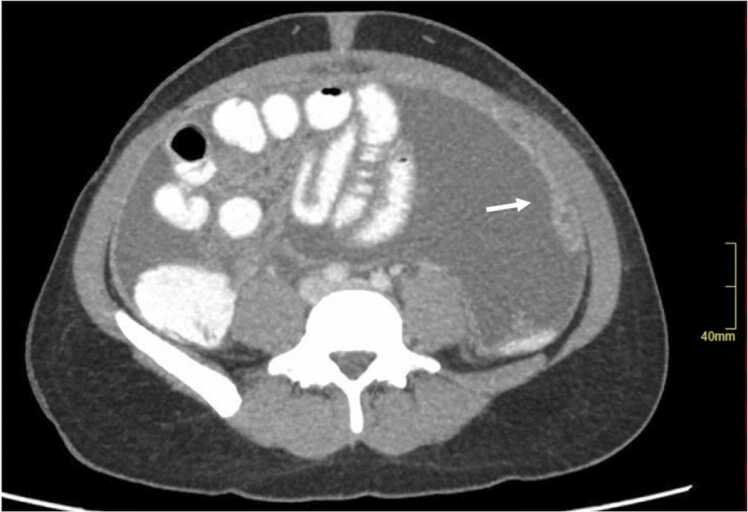
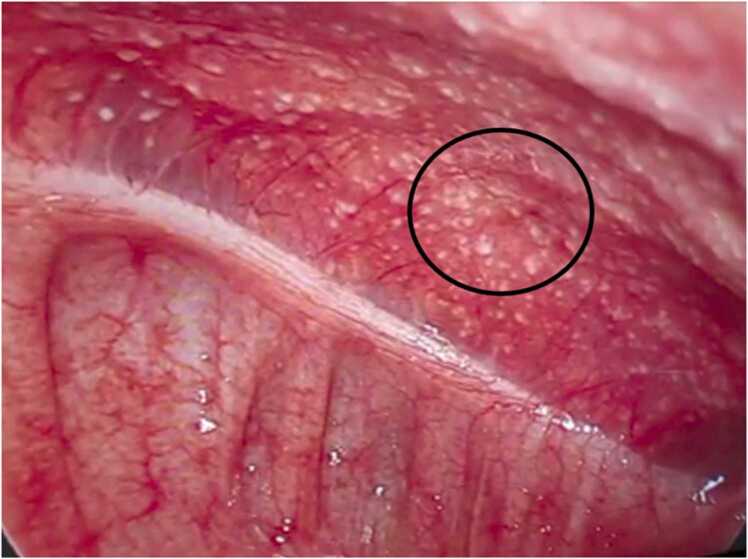
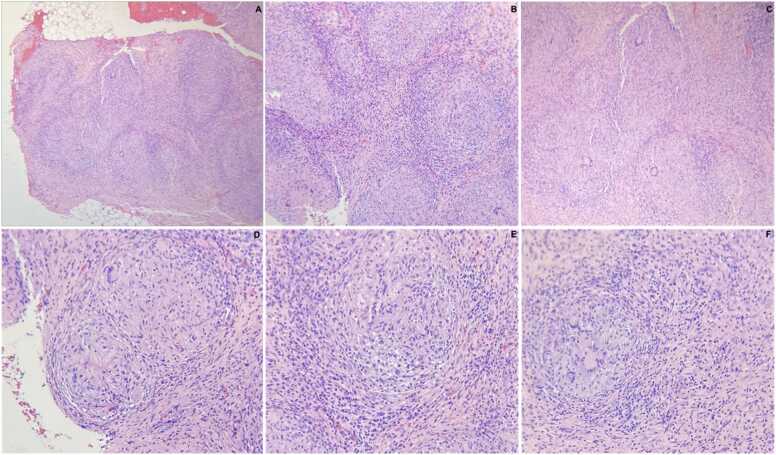
Case presentation: A 24-year-old female patient living in a rural area presented to the emergency department with constitutional and gastrointestinal symptoms, including bloating, diarrhea, significant weight loss, nocturnal diaphoresis, and gradual onset of ascites with abdominal pain. Diagnostic workup, including paracentesis, a transvaginal ultrasound, and an abdominal CT scan, did not suggest malignancy or portal hypertension. However, diagnostic laparoscopy revealed a miliary pattern comprising the parietal and pelvic peritoneum, uterus, fallopian tubes, and major omentum suggestive of peritoneal tuberculosis. Anti-tuberculosis therapy was initiated with subsequent microbiological confirmation.
Conclusion: Abdominal compromise by tuberculosis is a diagnostic challenge, especially in patients with no apparent risk factors. The clinical manifestations and paraclinical data may be unspecific or inconclusive, requiring peritoneal biopsy and empirical treatment before definitive confirmation.
Keywords: Ascites; Ascitic fluid; Case report; Peritoneal tuberculosis; Tuberculosis; Tuberculosis-gastrointestinal.
© 2023 The Authors. Published by Elsevier Ltd.
Conflict of interest statement
The authors declare that they have no competing interests. This manuscript has not been published and is not under consideration for publication elsewhere. Additionally, all authors have approved this paper's contents and agreed to the journal´s submission policies.
Figures
References
-
- Pérez M.P.L. INFORME DE EVENTO TUBERCULOSIS. COLOMBIA. 2018;2017(03)
-
- Roberts S., Newsholme W., Gibson T. Diagnosis and management of intra-abdominal tuberculosis. Br J Hosp Med (Lond) 2018 2;79(6):C86–C89. - PubMed
-
- Gupta P., Rana S., Agarwal P. Peritoneal tuberculosis or carcinomatosis: a diagnostic conundrum. Int J Mycobacteriol. 2018;7(2):198–199. - PubMed
-
- Sanai F.M., Bzeizi K.I. Systematic review: tuberculous peritonitis--presenting features, diagnostic strategies and treatment. Aliment Pharm Ther. 2005;22(8):685–700. - PubMed
Publication types
LinkOut - more resources
Full Text Sources
