


Prevalence and Predictors of Alcohol Use among School-Going Adolescents in Panama: A Population-Based Cross-Sectional Study
- PMID: 37238439
- PMCID: PMC10217131
- DOI: 10.3390/children10050891
Prevalence and Predictors of Alcohol Use among School-Going Adolescents in Panama: A Population-Based Cross-Sectional Study
Abstract
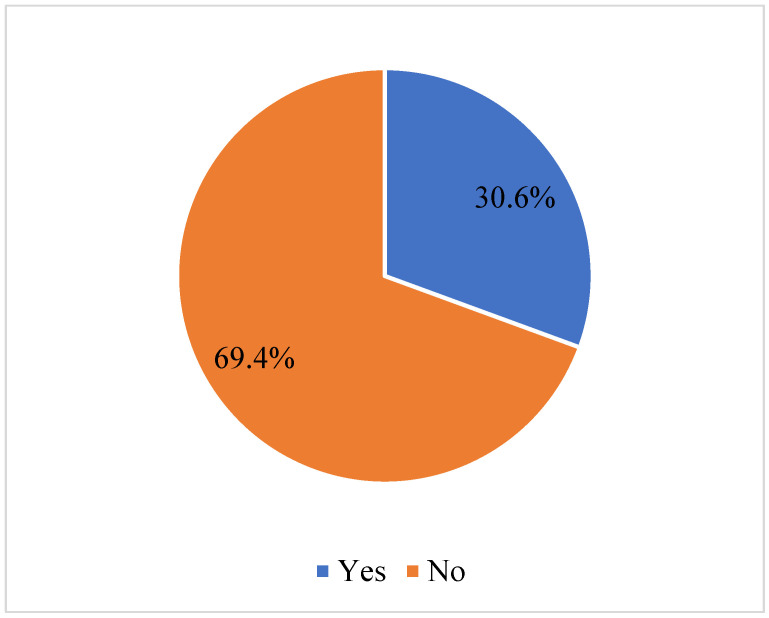
This study investigated the prevalence and predictors of alcohol use among school-going-age adolescents in Panama. Using a national school-based cross-sectional survey, data from a proportionate sample of school-going adolescents aged 13-17 years were obtained from the 2018 Panama Global School-based Student Health Survey [GSHS]. Data were analysed with a Pearson's Chi-square test and weighted binary logistic regression. The results were reported with their corresponding adjusted odds ratio (AOR) at a 95% confidence interval (CI) and level of significance set at p < 0.05. The prevalence of alcohol use among adolescents in Panama was 30.6%. The odds of alcohol use were lower among adolescents in a lower grade than those in upper grades, and lower in those who did not eat from a restaurant than those who ate from a restaurant. Further, the likelihood of alcohol use was significantly high among those who engaged in physical fights, were seriously injured, were mostly worried, and whose parents used any form of tobacco. Other results showed that the odds of alcohol use were high among sedentary respondents, those who had multiple sexual partners and those who used amphetamines. Based on the present findings, a collaborative approach (i.e., stakeholders- the Ministry of Social Development and the Ministry of Education- community-individual levels) towards the development and adherence of appropriate interventions aimed at reducing alcohol use is required in Panama. Specific preventive interventions would be fundamental in promoting a positive school climate to help reduce adolescents' alcohol use and, perhaps, other anti-social behaviours (e.g., physical fights and bullying).
Keywords: Panama; adolescents; alcohol use; predictors; prevalence; substance use.
Conflict of interest statement
The authors declare that they have no known competing financial interest or personal relationships that could have appeared to influence the work reported in this paper.
Figures
References
-
- Kim H.S. Alcohol use and delinquent behavior among Korean adolescents. J. Addict. Nurs. 2010;21:225–234. doi: 10.3109/10884602.2010.515691. - DOI
-
- WHO Alcohol, World Health Organization. 2018. [(accessed on 15 March 2023)]. Available online: https://www.who.int/news-room/fact-sheet/detail/alcohol.
-
- Griswold M.G., Fullman N., Hawley C., Arian N., Zimsen S.R., Tymeson H.D., Farioli A. Alcohol use and burden for 195 countries and territories, 1990–2016: A systematic analysis for the Global Burden of Disease Study 2016. Lancet. 2018;392:1015–1035. doi: 10.1016/S0140-6736(18)31310-2. - DOI - PMC - PubMed
-
- Inchley J., Currie D., Vieno A., Torsheim T., Ferreira-Borges C., Weber M.M., Breda J. Adolescent Alcohol-Related Behaviours: Trends and Inequalities in the WHO European Region, 2002–2014: Observations from the Health Behaviour in School-Aged Children (HBSC) WHO Collaborative Cross-National Study. World Health Organization, Regional Office for Europe; Geneva, Switzerland: 2018.
-
- Jessor R., Jessor S.L. Problem Behavior and Psychosocial Development: A Longitudinal Study of Youth. Academic Press; New York, NY, USA: 1977. p. 13.
LinkOut - more resources
Full Text Sources
Research Materials
