


Paraneoplastic Neurological Syndromes of the Central Nervous System: Pathophysiology, Diagnosis, and Treatment
- PMID: 37239077
- PMCID: PMC10216177
- DOI: 10.3390/biomedicines11051406
Paraneoplastic Neurological Syndromes of the Central Nervous System: Pathophysiology, Diagnosis, and Treatment
Abstract
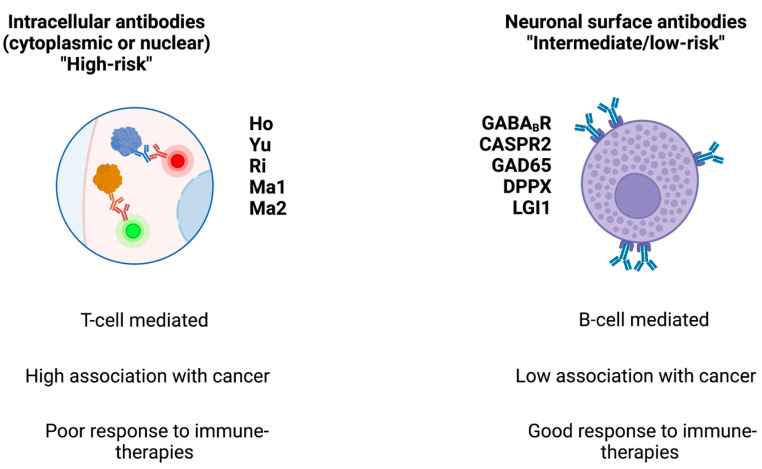
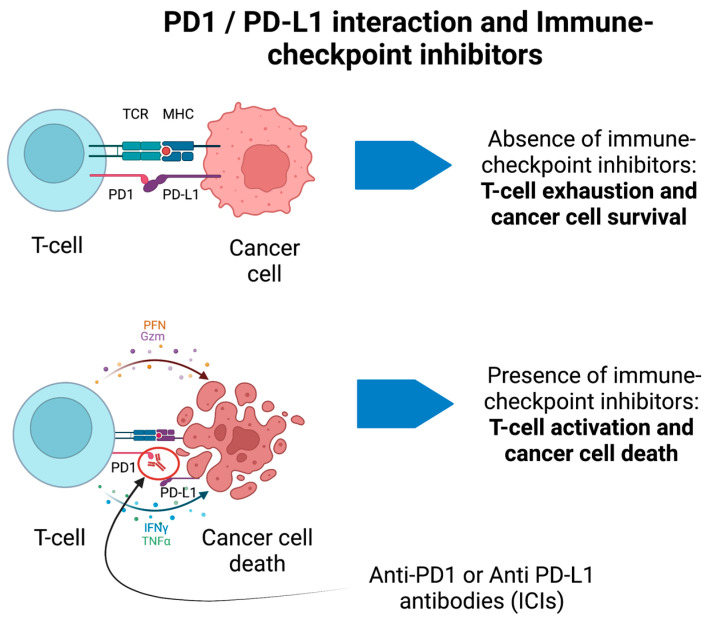
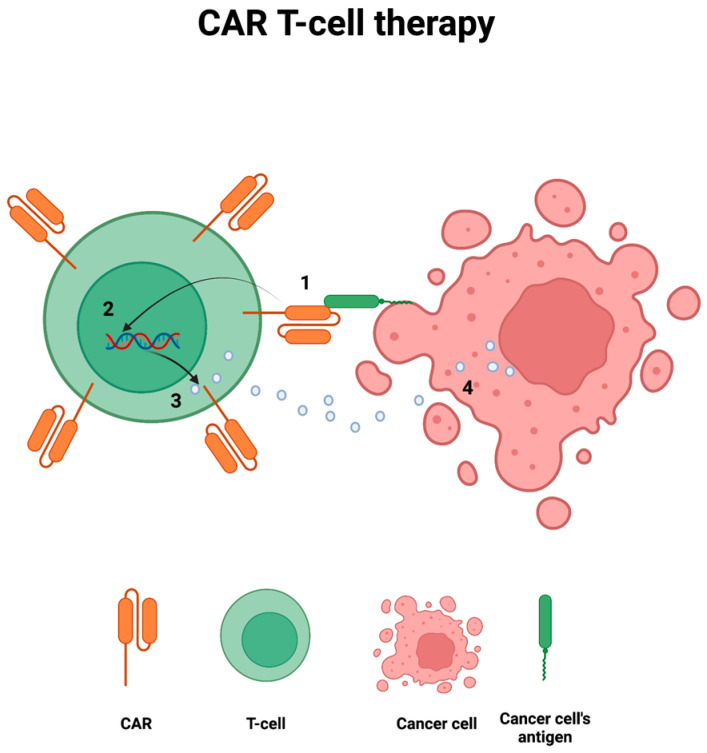
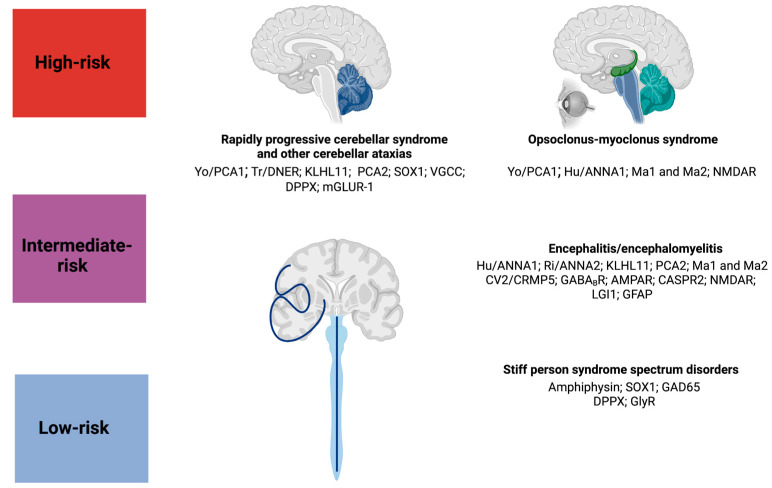
Paraneoplastic neurological syndromes (PNS) include any symptomatic and non-metastatic neurological manifestations associated with a neoplasm. PNS associated with antibodies against intracellular antigens, known as "high-risk" antibodies, show frequent association with underlying cancer. PNS associated with antibodies against neural surface antigens, known as "intermediate- or low-risk" antibodies, are less frequently associated with cancer. In this narrative review, we will focus on PNS of the central nervous system (CNS). Clinicians should have a high index of suspicion with acute/subacute encephalopathies to achieve a prompt diagnosis and treatment. PNS of the CNS exhibit a range of overlapping "high-risk" clinical syndromes, including but not limited to latent and overt rapidly progressive cerebellar syndrome, opsoclonus-myoclonus-ataxia syndrome, paraneoplastic (and limbic) encephalitis/encephalomyelitis, and stiff-person spectrum disorders. Some of these phenotypes may also arise from recent anti-cancer treatments, namely immune-checkpoint inhibitors and CAR T-cell therapies, as a consequence of boosting of the immune system against cancer cells. Here, we highlight the clinical features of PNS of the CNS, their associated tumors and antibodies, and the diagnostic and therapeutic strategies. The potential and the advance of this review consists on a broad description on how the field of PNS of the CNS is constantly expanding with newly discovered antibodies and syndromes. Standardized diagnostic criteria and disease biomarkers are fundamental to quickly recognize PNS to allow prompt treatment initiation, thus improving the long-term outcome of these conditions.
Keywords: CAR T-cell therapies; ataxia; central nervous system; epilepsy; immune suppressants; immune-checkpoint inhibitors; movement disorders; neurology; oncology; paraneoplastic neurological syndromes.
Conflict of interest statement
The authors declare no conflict of interest related to the present work. Samuel Marcucci, Joseph LaPorta, and Martina Chirra declare no disclosures. Luca Marsili has received honoraria from the International Association of Parkinsonism and Related Disorders (IAPRD) Society for social media and web support. Alberto J. Espay has received grant support from the NIH and the Michael J Fox Foundation; personal compensation as a consultant/scientific advisory board member for Neuroderm, Amneal, Acadia, Acorda, Bexion, Kyowa Kirin, Sunovion, Supernus (formerly, USWorldMeds), Avion Pharmaceuticals, and Herantis Pharma; personal compensation as honoraria for speakership for Avion and Amneal; and publishing royalties from Lippincott Williams & Wilkins, Cambridge University Press, and Springer. He cofounded REGAIN Therapeutics (a biotech start-up developing nonaggregating peptide analogues as replacement therapies for neurodegenerative diseases) and is co-owner of a patent that covers synthetic soluble nonaggregating peptide analogues as replacement treatments in proteinopathies. Carlo Colosimo received grants from Abbvie, BIAL, Ipsen and Zambon unrelated to the present research.
Figures
References
Publication types
LinkOut - more resources
Full Text Sources
