


Formulation Strategies of Nanosuspensions for Various Administration Routes
- PMID: 37242763
- PMCID: PMC10221665
- DOI: 10.3390/pharmaceutics15051520
Formulation Strategies of Nanosuspensions for Various Administration Routes
Abstract
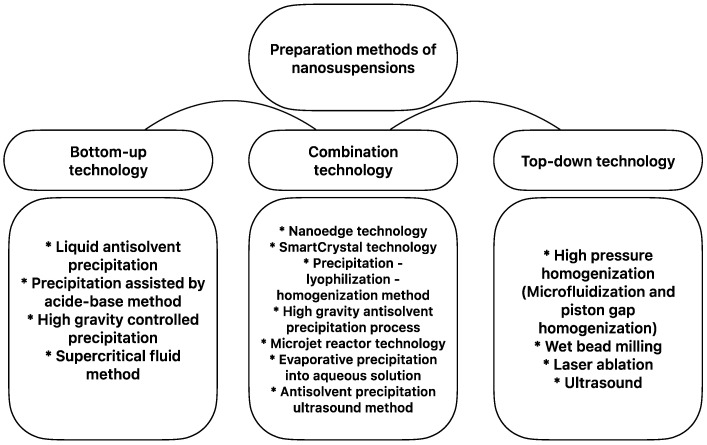
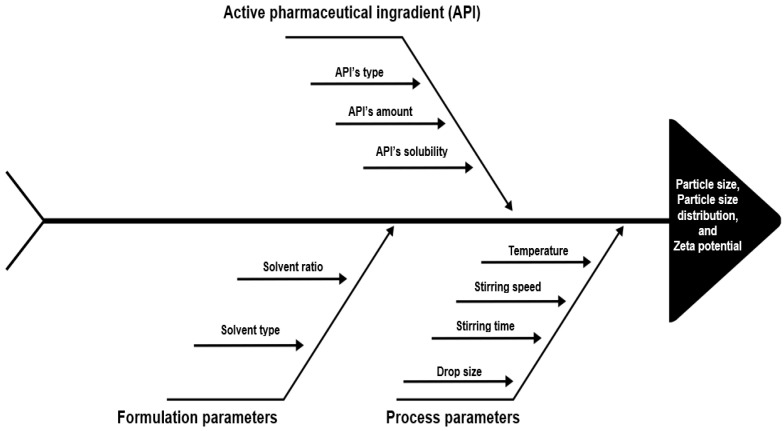
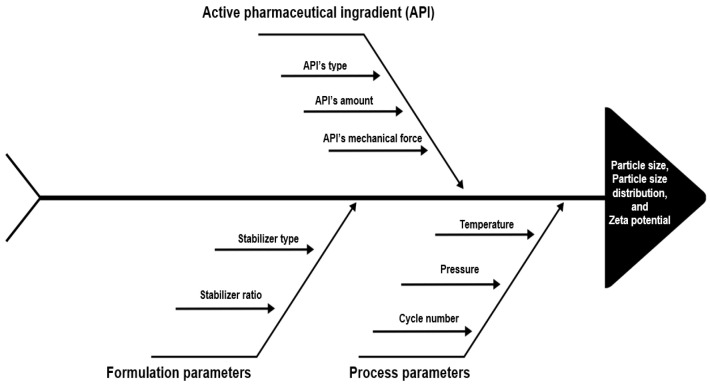
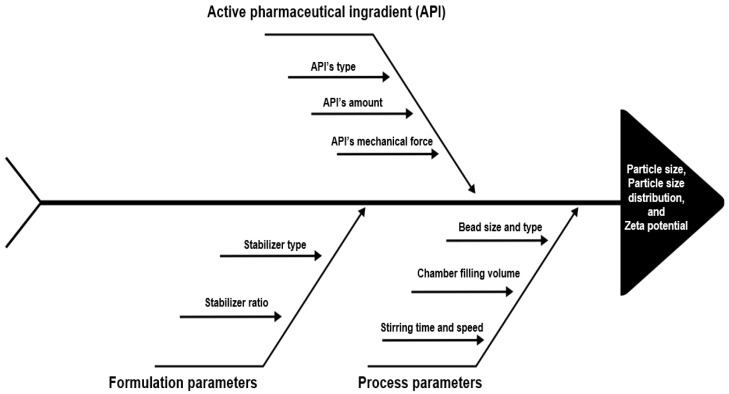
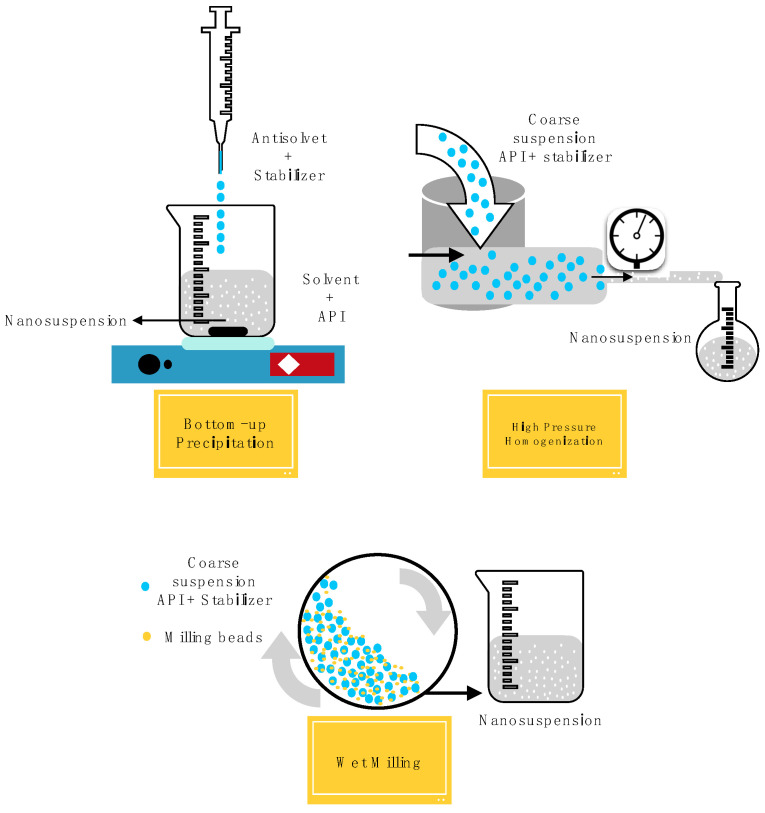
Nanosuspensions (NSs), which are nanosized colloidal particle systems, have recently become one of the most interesting substances in nanopharmaceuticals. NSs have high commercial potential because they provide the enhanced solubility and dissolution of low-water-soluble drugs by means of their small particle sizes and large surface areas. In addition, they can alter the pharmacokinetics of the drug and, thus, improve its efficacy and safety. These advantages can be used to enhance the bioavailability of poorly soluble drugs in oral, dermal, parenteral, pulmonary, ocular, or nasal routes for systemic or local effects. Although NSs often consist mainly of pure drugs in aqueous media, they can also contain stabilizers, organic solvents, surfactants, co-surfactants, cryoprotectants, osmogents, and other components. The selection of stabilizer types, such as surfactants or/and polymers, and their ratio are the most critical factors in NS formulations. NSs can be prepared both with top-down methods (wet milling, dry milling, high-pressure homogenization, and co-grinding) and with bottom-up methods (anti-solvent precipitation, liquid emulsion, and sono-precipitation) by research laboratories and pharmaceutical professionals. Nowadays, techniques combining these two technologies are also frequently encountered. NSs can be presented to patients in liquid dosage forms, or post-production processes (freeze drying, spray drying, or spray freezing) can also be applied to transform the liquid state into the solid state for the preparation of different dosage forms such as powders, pellets, tablets, capsules, films, or gels. Thus, in the development of NS formulations, the components/amounts, preparation methods, process parameters/levels, administration routes, and dosage forms must be defined. Moreover, those factors that are the most effective for the intended use should be determined and optimized. This review discusses the effect of the formulation and process parameters on the properties of NSs and highlights the recent advances, novel strategies, and practical considerations relevant to the application of NSs to various administration routes.
Keywords: administration routes; dosage forms; formulation strategies; nanosuspensions; production methods.
Conflict of interest statement
The authors declare no conflict of interest.
Figures
References
Publication types
LinkOut - more resources
Full Text Sources
Other Literature Sources
Miscellaneous
