Hypermetabolism in mice carrying a near-complete human chromosome 21
- PMID: 37249575
- PMCID: PMC10229126
- DOI: 10.7554/eLife.86023
Hypermetabolism in mice carrying a near-complete human chromosome 21
Abstract
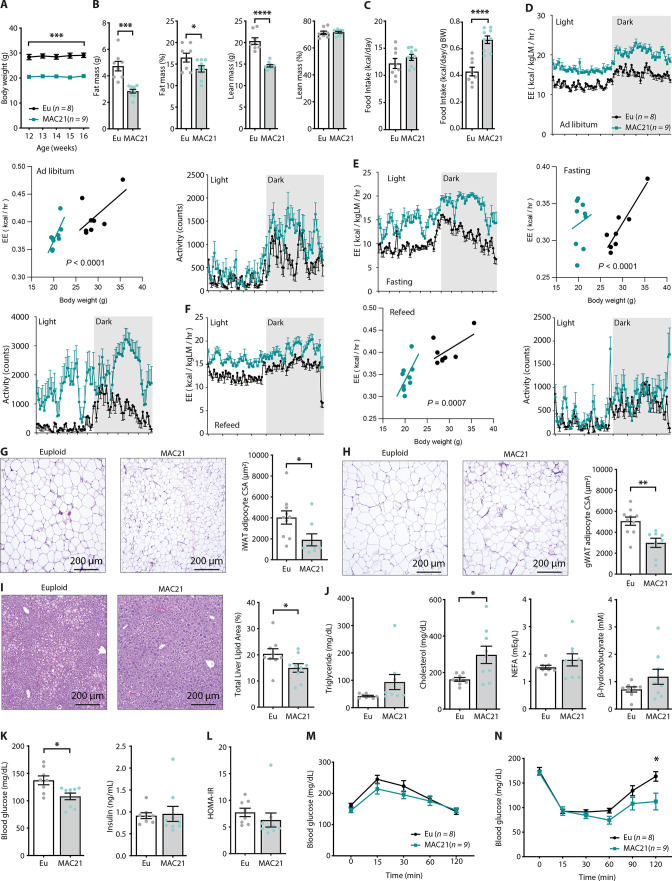
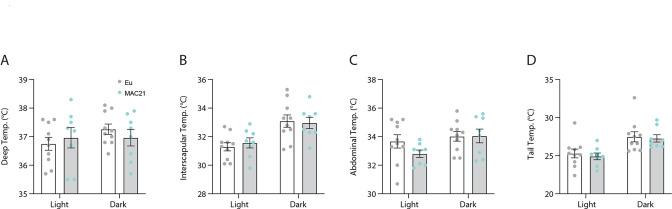
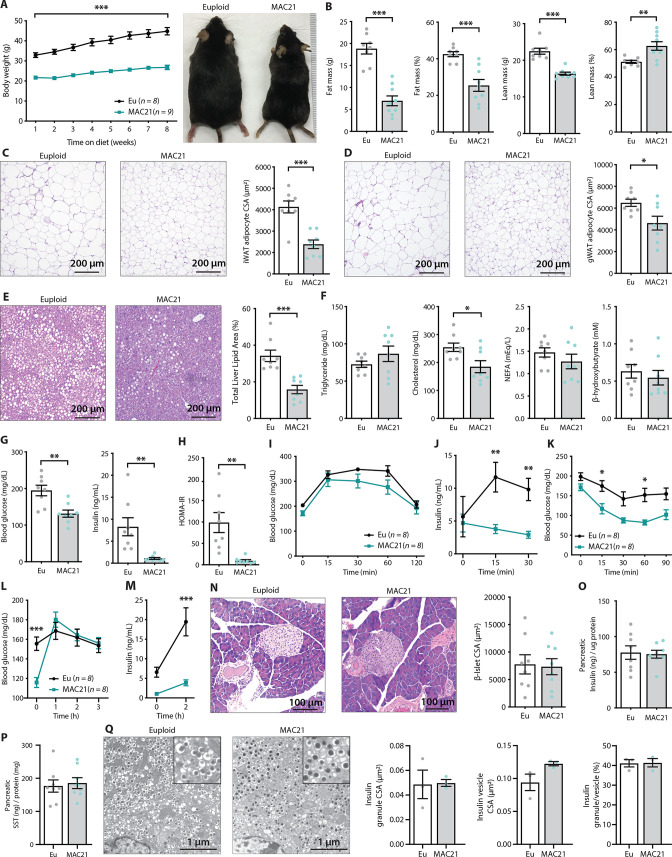
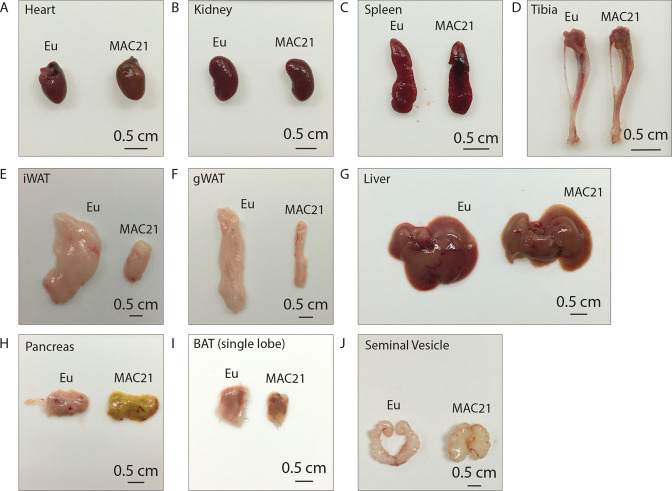
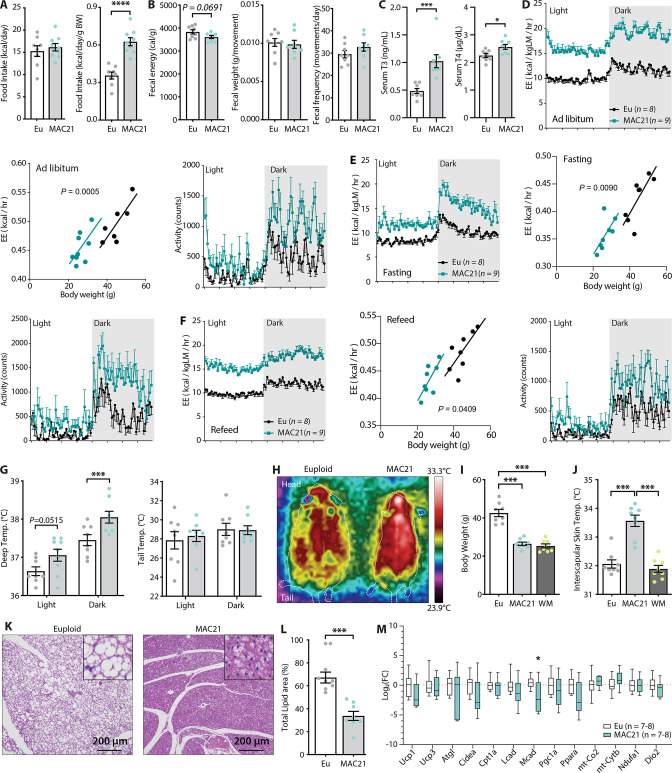
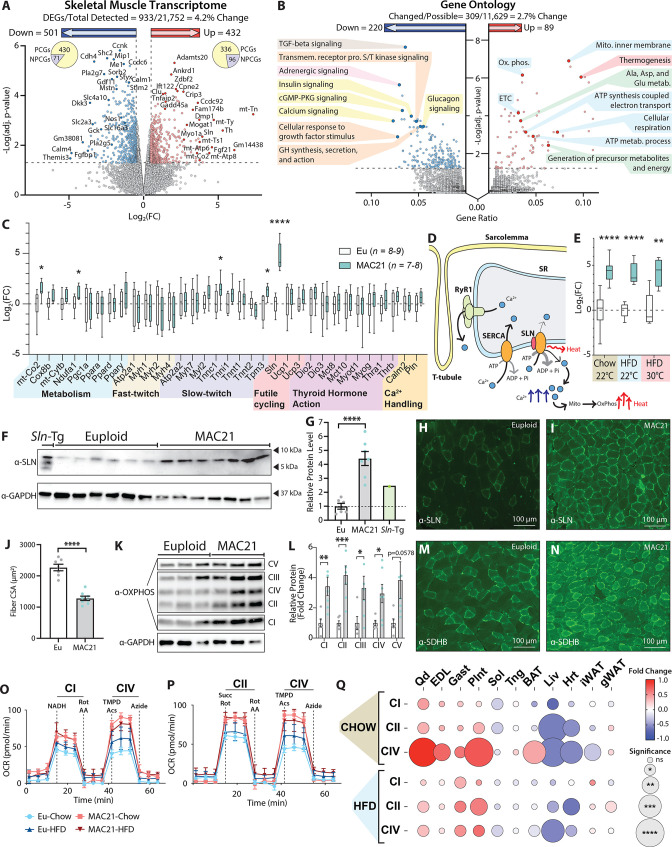
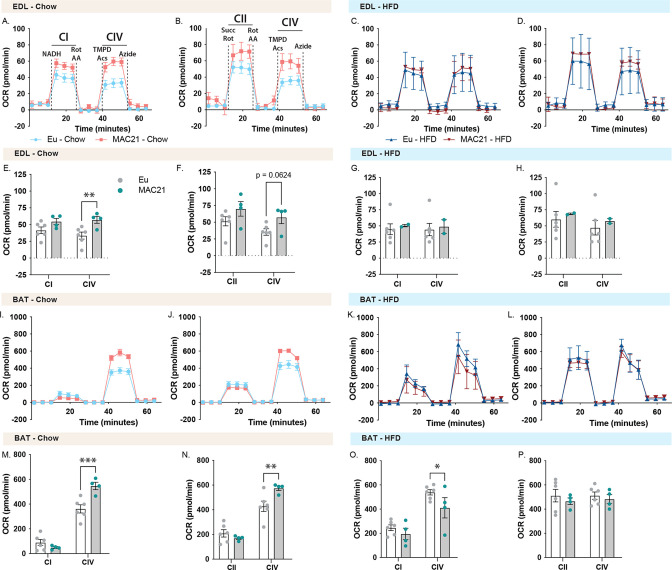
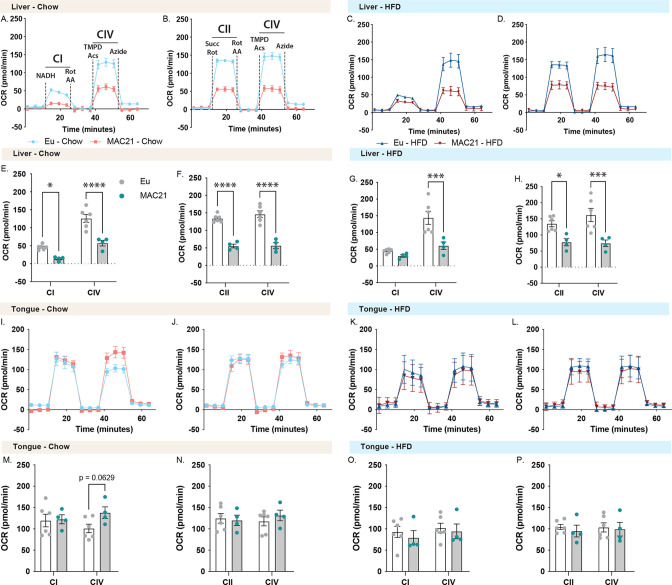
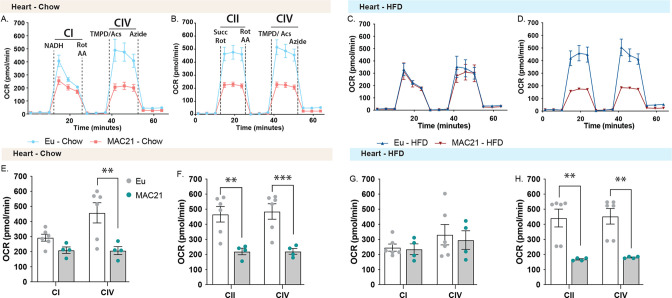
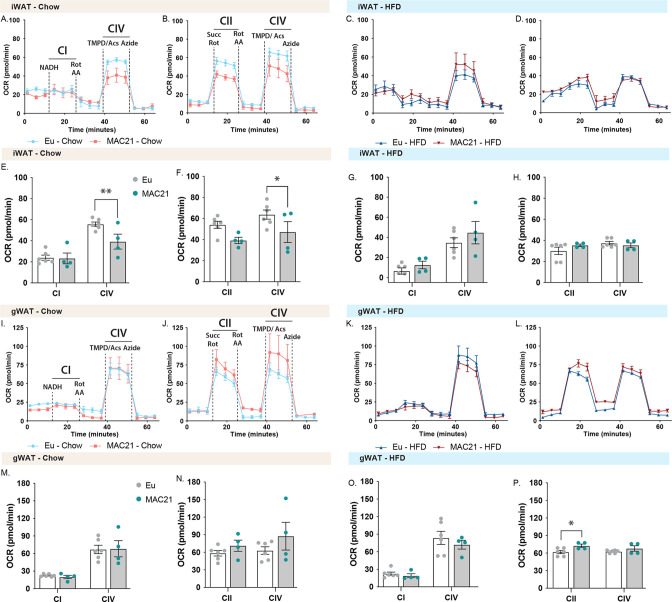
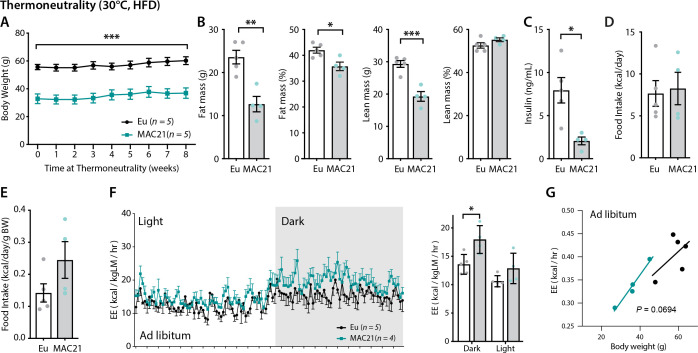
The consequences of aneuploidy have traditionally been studied in cell and animal models in which the extrachromosomal DNA is from the same species. Here, we explore a fundamental question concerning the impact of aneuploidy on systemic metabolism using a non-mosaic transchromosomic mouse model (TcMAC21) carrying a near-complete human chromosome 21. Independent of diets and housing temperatures, TcMAC21 mice consume more calories, are hyperactive and hypermetabolic, remain consistently lean and profoundly insulin sensitive, and have a higher body temperature. The hypermetabolism and elevated thermogenesis are likely due to a combination of increased activity level and sarcolipin overexpression in the skeletal muscle, resulting in futile sarco(endo)plasmic reticulum Ca2+ ATPase (SERCA) activity and energy dissipation. Mitochondrial respiration is also markedly increased in skeletal muscle to meet the high ATP demand created by the futile cycle and hyperactivity. This serendipitous discovery provides proof-of-concept that sarcolipin-mediated thermogenesis via uncoupling of the SERCA pump can be harnessed to promote energy expenditure and metabolic health.
Keywords: SERCA pump; aneuploidy; chromosomes; futile cycle; gene expression; hypermetabolism; mouse; sarcolipin; trisomy.
© 2023, Sarver et al.
Conflict of interest statement
DS, CX, SR, SA, AJ, FG, MD, MP, YK, RR, GW No competing interests declared, MO M.O. is CEO, employee, and shareholder of Trans Chromosomics, Inc which manages commercial use of the TcMAC21 mouse. We declare that none of the authors has a conflict of interest
Figures
Update of
-
Hypermetabolism in mice carrying a near complete human chromosome 21.bioRxiv [Preprint]. 2023 Jan 31:2023.01.30.526183. doi: 10.1101/2023.01.30.526183. bioRxiv. 2023. Update in: Elife. 2023 May 30;12:e86023. doi: 10.7554/eLife.86023. PMID: 36778465 Free PMC article. Updated. Preprint.
References
-
- Acin-Perez R, Benador IY, Petcherski A, Veliova M, Benavides GA, Lagarrigue S, Caudal A, Vergnes L, Murphy AN, Karamanlidis G, Tian R, Reue K, Wanagat J, Sacks H, Amati F, Darley-Usmar VM, Liesa M, Divakaruni AS, Stiles L, Shirihai OS. A novel approach to measure mitochondrial respiration in frozen biological samples. The EMBO Journal. 2020;39:e104073. doi: 10.15252/embj.2019104073. - DOI - PMC - PubMed
-
- Bal NC, Maurya SK, Sopariwala DH, Sahoo SK, Gupta SC, Shaikh SA, Pant M, Rowland LA, Bombardier E, Goonasekera SA, Tupling AR, Molkentin JD, Periasamy M. Sarcolipin is a newly identified regulator of muscle-based Thermogenesis in mammals. Nature Medicine. 2012;18:1575–1579. doi: 10.1038/nm.2897. - DOI - PMC - PubMed
Publication types
MeSH terms
Substances
Grants and funding
LinkOut - more resources
Full Text Sources
Molecular Biology Databases
Miscellaneous