


Associations between health literacy, digital skill, and eHealth literacy among older Chinese adults: A cross-sectional study
- PMID: 37256010
- PMCID: PMC10225956
- DOI: 10.1177/20552076231178431
Associations between health literacy, digital skill, and eHealth literacy among older Chinese adults: A cross-sectional study
Abstract
Objective: Digital divide in health-related technology use is a prominent issue for older adults. Improving eHealth literacy may be an important solution to this problem. This study aimed to explore the associations between health literacy, digital skills, and eHealth literacy among older Chinese adults.
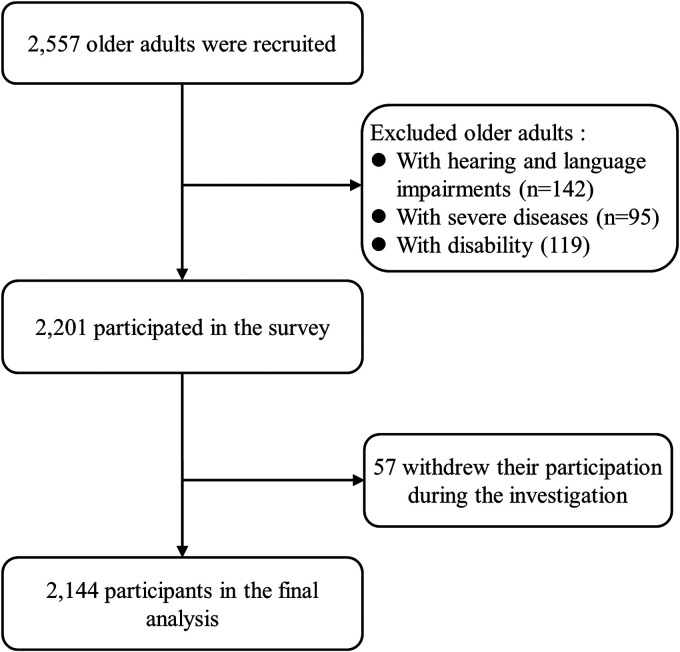
Methods: A total of 2,144 older adults (mean age, 72.01 ± 6.96 years) from Jinan City, China participated in this study. The eHealth Literacy Scale was used to measure eHealth literacy in older adults. A linear regression model was used to analyze the associations among health literacy, digital skills, and eHealth literacy in older Chinese adults.
Results: The mean eHealth literacy score of the older adults was 17.56 ± 9.61. After adjusting for sociodemographic characteristics and experience of Internet usage, the results of the linear regression showed that health literacy (B = 0.258, 95% confidence interval (CI) = 0.215-0.302, P< 0.001) and digital skills (B = 0.654, 95% CI = 0.587-0.720, P < 0.001) were positively associated with eHealth literacy. Sensitivity analyses revealed that this association remained robust.
Conclusions: The level of eHealth literacy in older Chinese adults is low. Health literacy and digital skills are associated with eHealth literacy in older adults. In the future, eHealth literacy intervention research should be considered from the perspective of health literacy and digital skills.
Keywords: China; digital skill; eHealth literacy; health literacy; older adults.
© The Author(s) 2023.
Conflict of interest statement
The authors declared no potential conflicts of interest with respect to the research, authorship, and/or publication of this article.
Figures
References
-
- Yoon H, Jang Y, Kim S, et al. Trends in internet use among older adults in the United States, 2011–2016. J Appl Gerontol 2021; 40: 466–470. - PubMed
-
- Center CINI. The 50th statistical report on China's internet development, http://www.cnnic.net.cn/n4/2022/0914/c88-10226.html (2022, accessed 9-15 2022).
LinkOut - more resources
Full Text Sources
