


Causality of genetically determined metabolites and metabolic pathways on osteoarthritis: a two-sample mendelian randomization study
- PMID: 37259122
- PMCID: PMC10230782
- DOI: 10.1186/s12967-023-04165-9
Causality of genetically determined metabolites and metabolic pathways on osteoarthritis: a two-sample mendelian randomization study
Abstract
Background: Osteoarthritis (OA) is one of the most prevalent musculoskeletal diseases and is the leading cause of pain and disability in the aged population. However, the underlying biological mechanism has not been fully understood. This study aims to reveal the causal effect of circulation metabolites on OA susceptibility.
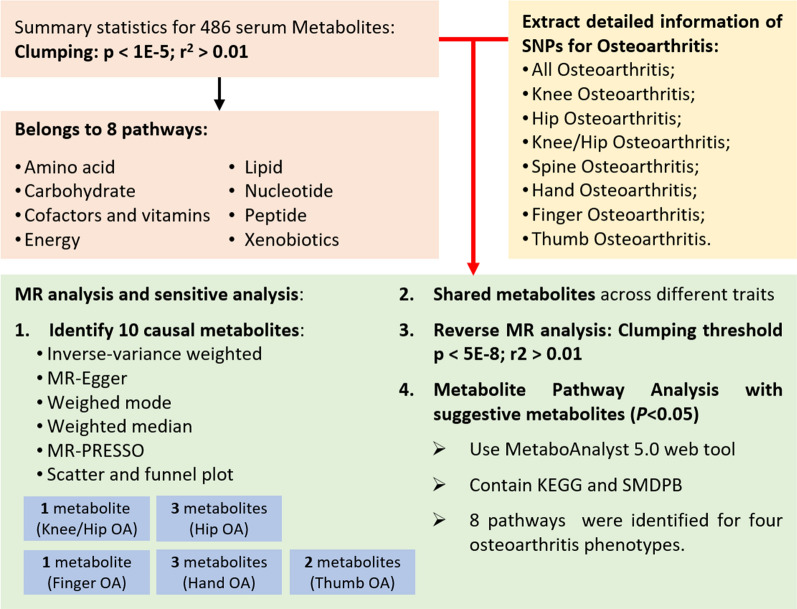
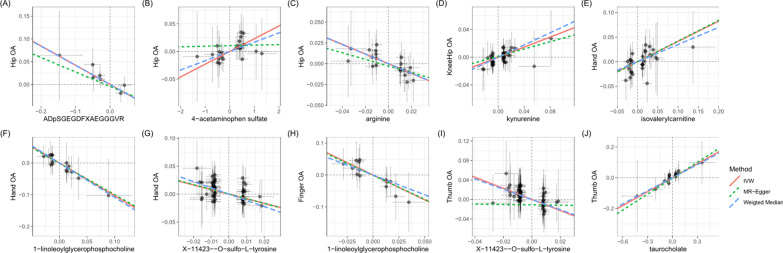
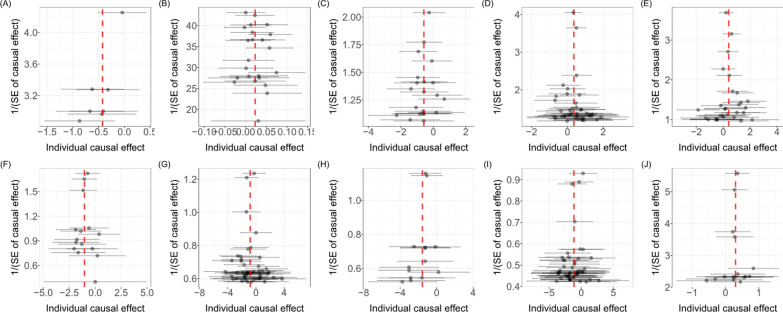
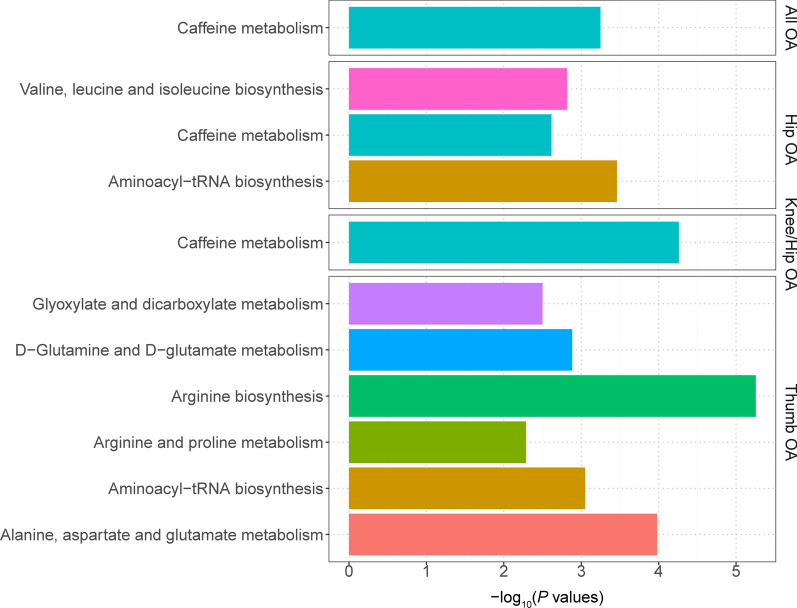
Methods: A two-sample Mendelian Randomization (MR) analysis was performed to estimate the causality of GDMs on OA. A genome-wide association study (GWAS) of 486 metabolites was used as the exposure, whereas 8 different OA phenotypes, including any-site OA (All OA), knee and/or hip OA (knee/hip OA), knee OA, hip OA, spine OA, finger and/or thumb OA (hand OA), finger OA, thumb OA, were set the outcomes. Inverse-variance weighted (IVW) was used for calculating causal estimates. Methods including weight mode, weight median, MR-egger, and MR-PRESSO were used for the sensitive analysis. Furthermore, metabolic pathway analysis was performed via the web-based Metaconflict 4.0. All statistical analyses were performed in R software.
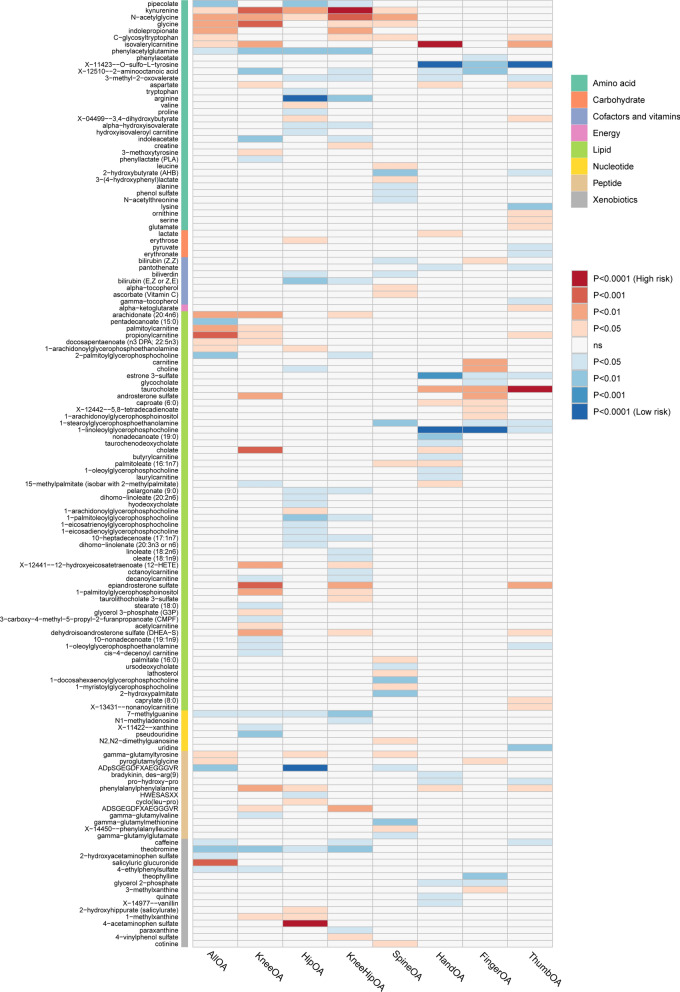
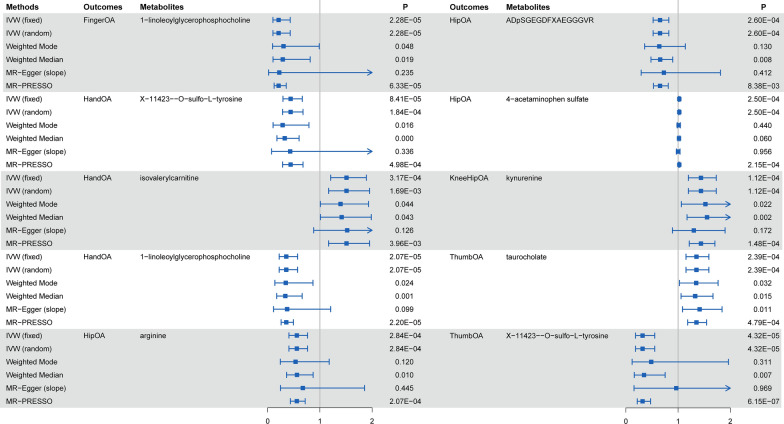
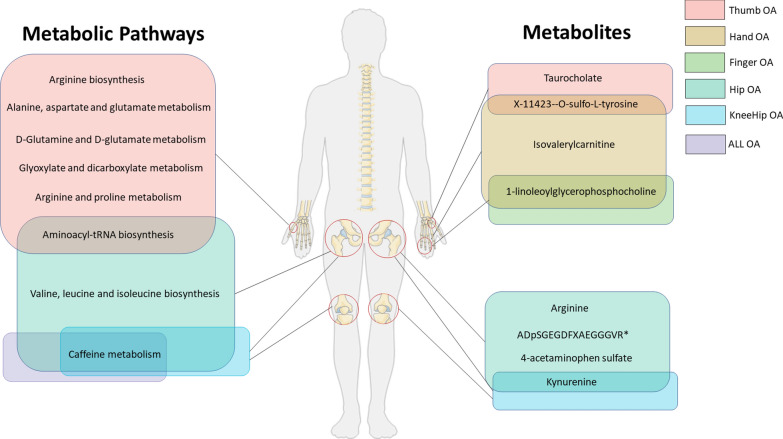
Results: In this MR analysis, a total of 235 causative associations between metabolites and different OA phenotypes were observed. After false discovery rate (FDR) correction and sensitive analysis, 9 robust causative associations between 7 metabolites (e.g., arginine, kynurenine, and isovalerylcarnitine) and 5 OA phenotypes were finally identified. Additionally, eleven significant metabolic pathways in 4 OA phenotypes were identified by metabolic pathway analysis.
Conclusion: The finding of our study suggested that identified metabolites and metabolic pathways can be considered useful circulating metabolic biomarkers for OA screening and prevention in clinical practice, and can also serve as candidate molecules for future mechanism exploration and drug target selection.
Keywords: Arginine; Genetically determined metabolites; Kynurenine; Mendelian randomization; Osteoarthritis.
© 2023. The Author(s).
Conflict of interest statement
The authors declare that the research was conducted in the absence of any commercial or financial relationships that could be construed as a potential competing interests.
Figures
References
Publication types
MeSH terms
LinkOut - more resources
Full Text Sources
