


Exo-erythrocytic development of two Haemoproteus species (Haemosporida, Haemoproteidae), with description of Haemoproteus dumbbellus, a new blood parasite of bunting birds (Emberizidae)
- PMID: 37263375
- PMCID: PMC7615398
- DOI: 10.1016/j.ijpara.2023.02.009
Exo-erythrocytic development of two Haemoproteus species (Haemosporida, Haemoproteidae), with description of Haemoproteus dumbbellus, a new blood parasite of bunting birds (Emberizidae)
Abstract
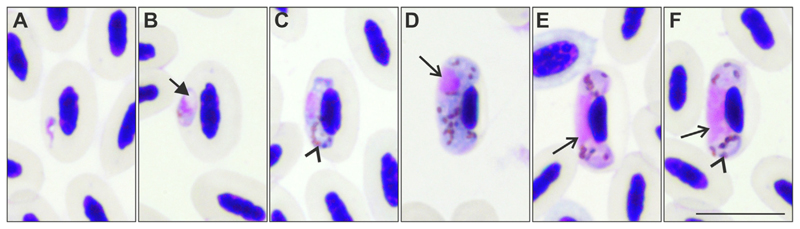
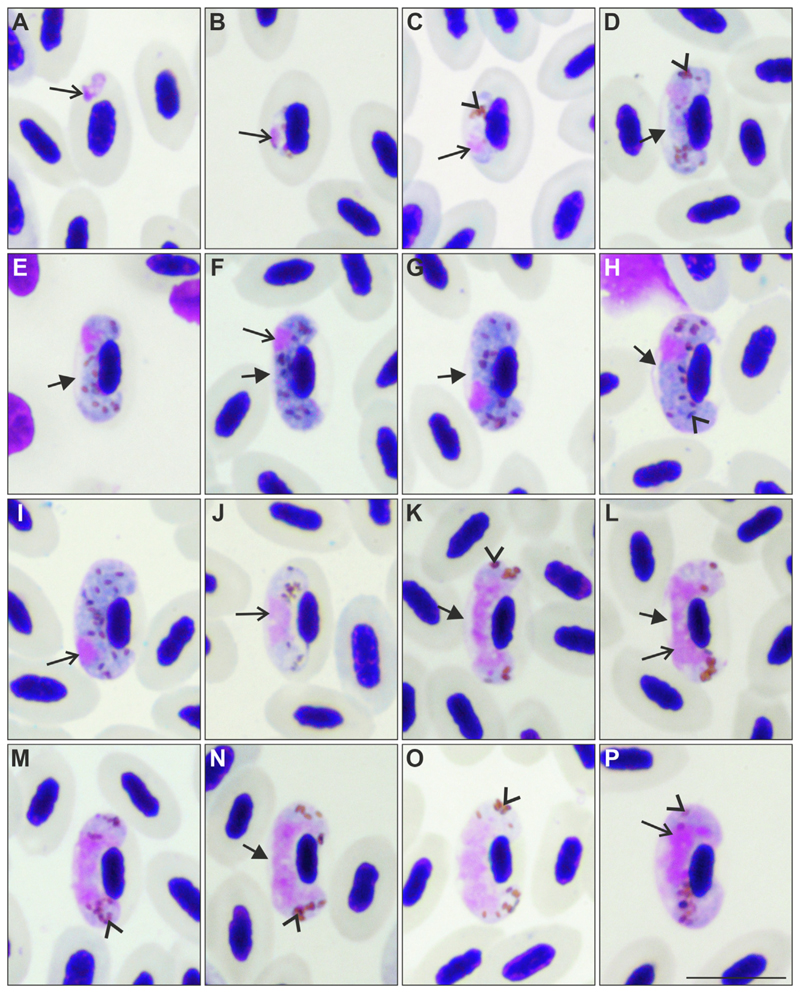
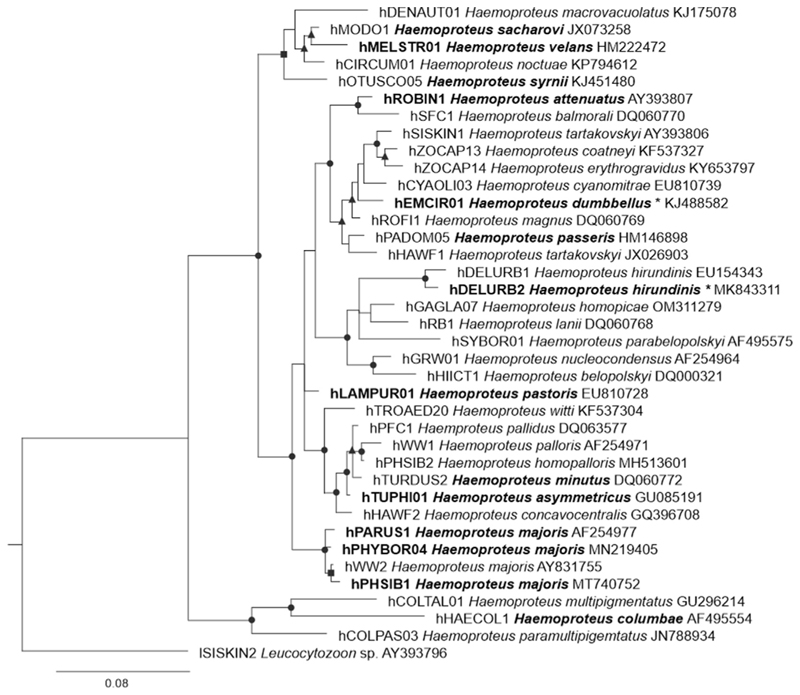
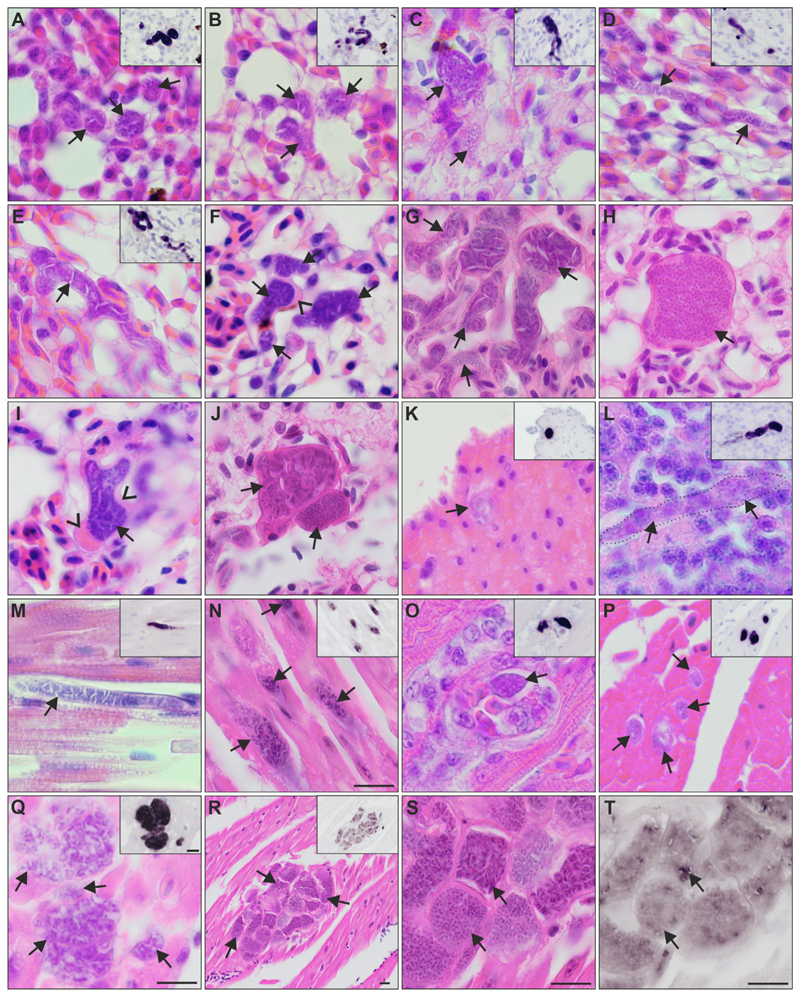
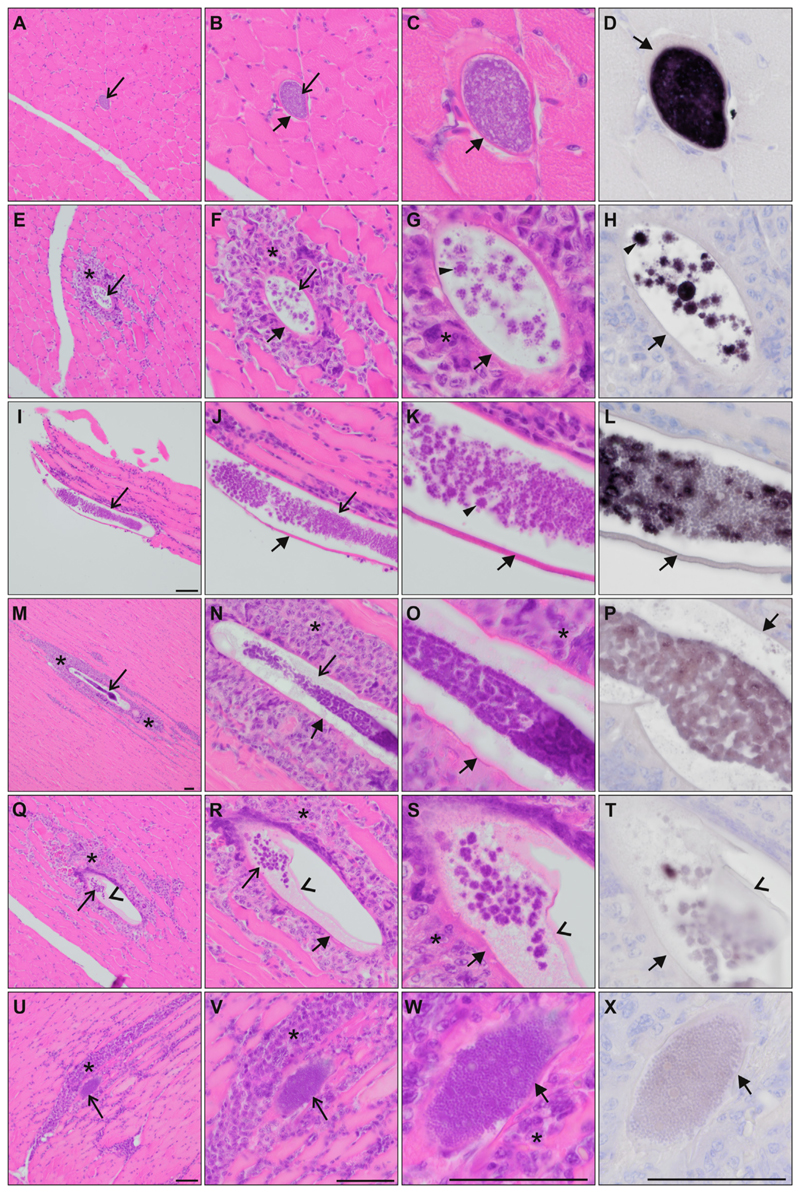
Avian haemosporidians are widespread parasites categorized into four families of the order Haemosporida (Apicomplexa). Species of the subgenus Parahaemoproteus (genus Haemoproteus) belong to the Haemoproteidae and are transmitted by Culicoides biting midges. Reports of death due to tissue damage during haemoproteosis in non-adapted birds have raised concerns about these pathogens, especially as their exo-erythrocytic development is known for only a few Haemoproteus spp. More research is needed to better understand the patterns of the parasites' development in tissues and their impact on avian hosts. Yellowhammers Emberiza citrinella (Emberizidae) and common house martins Delichon urbicum (Hirundinidae) were screened for Haemoproteus parasites by microscopic examination of blood films and PCR-based testing. Individuals with single infection were selected for histological investigations. H & E-stained sections were screened for detection and characterization of the exo-erythrocytic stages, while chromogenic in situ hybridization (CISH) and phylogenetic analysis were performed to confirm the Haemoproteus origin and their phylogenetic relationships. Haemoproteus dumbbellus n. sp. was discovered in Emberiza citrinella single-infected with the lineage hEMCIR01. Meronts of H. dumbbellus n. sp. developed in various organs of five of six tested individuals, a pattern which was reported in other Haemoproteus species clustering in the same clade, suggesting this could be a phylogenetic trait. By contrast, in Delichon urbicum infected with the Haemoproteus lineage hDELURB2, which was linked to the more distantly related parasite Haemoproteus hirundinis, only megalomeronts were found in the pectoral muscles of two of six infected individuals. All exo-erythrocytic stages were confirmed to be Haemoproteus parasites by CISH using a Haemoproteus genus-specific probe. While the development of meronts seems to be typical for species of the clade containing H. dumbbellus, further investigations and data from more species are needed to explore whether a phylogenetic pattern occurs in meront or megalomeront formation.
Keywords: Avian haemosporidians; Chromogenic in situ hybridization; Haemoproteus; Haemoproteus dumbbellus n. sp.; Megalomeronts; Meronts.
Copyright © 2023 The Author(s). Published by Elsevier Ltd.. All rights reserved.
Figures
References
-
- Atkinson CT, Greiner EC, Forrester DJ. Pre-erythrocytic development and associated host responses to Haemoproteus meleagridis (Haemosporina: Haemoproteidae) in experimentally infected domestic turkeys. J Protozool. 1986;33:375–381. - PubMed
-
- Bennett GF, Peirce MA, Ashford RW. Avian haematozoa: Mortality and pathogenicity. J Nat Hist. 1993;27:993–1001. doi: 10.1080/00222939300770621. - DOI
Publication types
MeSH terms
Substances
LinkOut - more resources
Full Text Sources
Miscellaneous
