


Optimizing gamma radiation shielding with cobalt-titania hybrid nanomaterials
- PMID: 37264111
- PMCID: PMC10235060
- DOI: 10.1038/s41598-023-33864-y
Optimizing gamma radiation shielding with cobalt-titania hybrid nanomaterials
Abstract
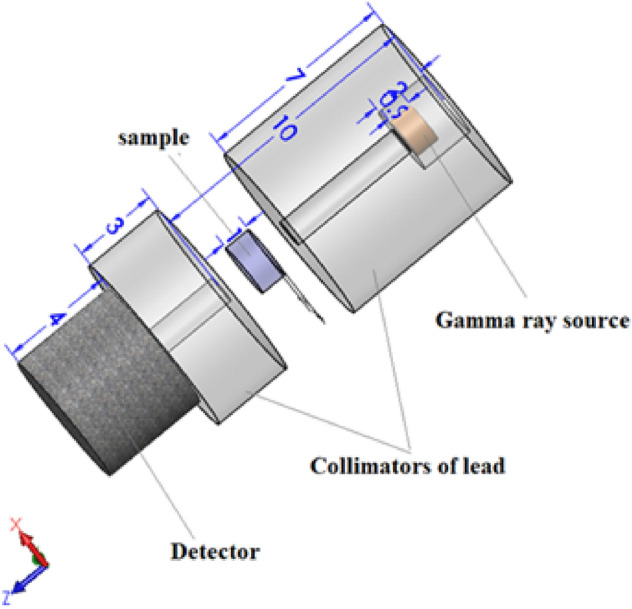
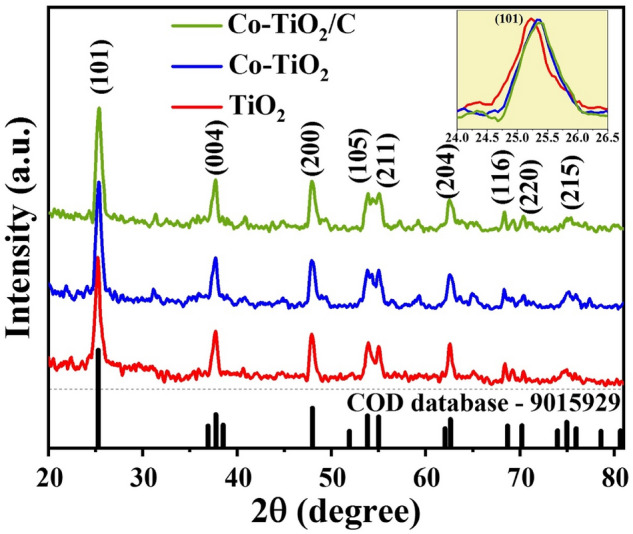
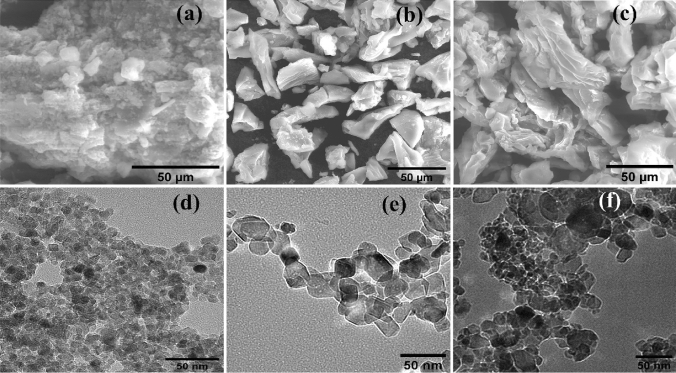
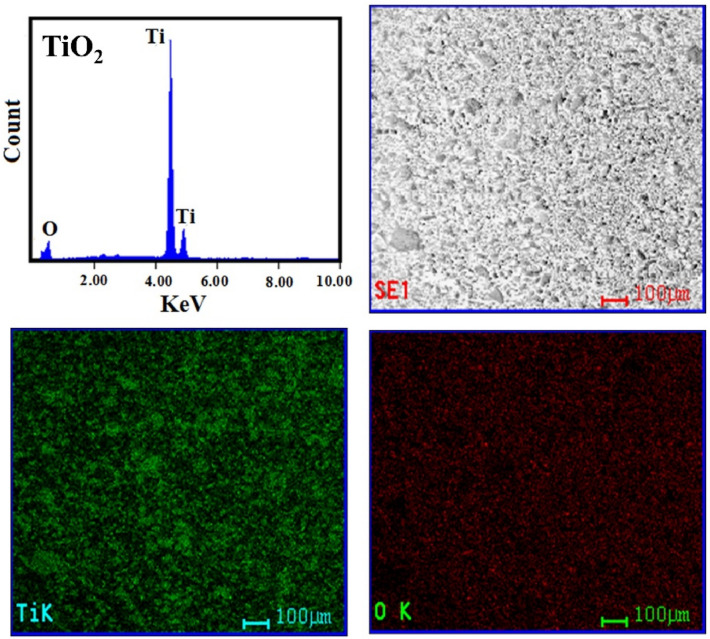
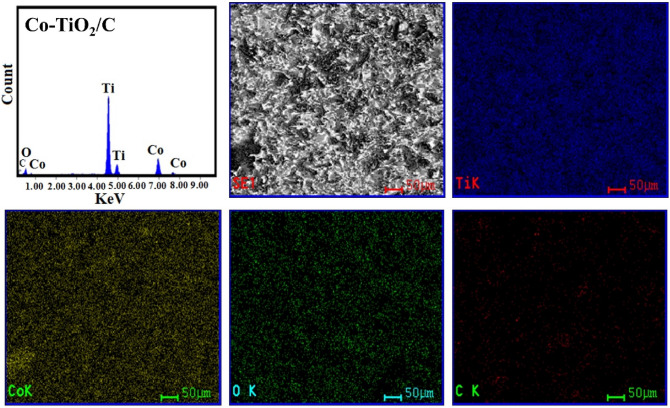
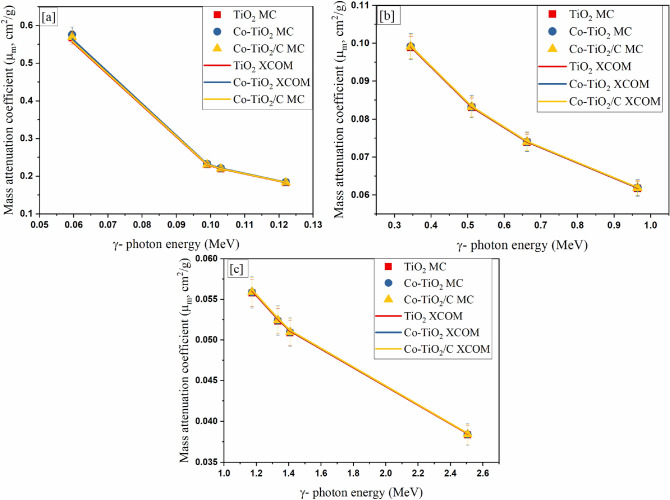
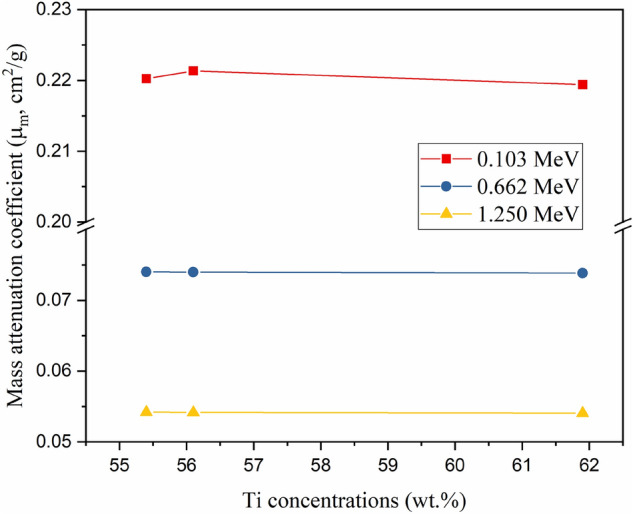
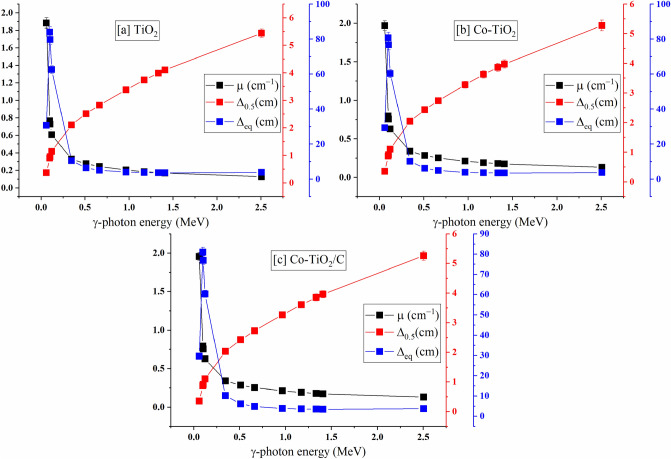
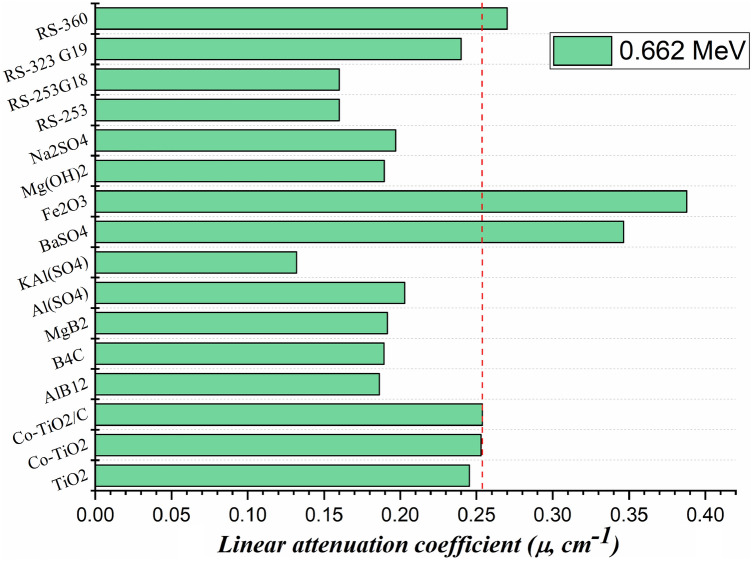
Cobalt-doped titania nanocomposites were fabricated to be utilized for radiation shielding aims. The chemical composition of the composites was measured using the energy-dispersive X-ray spectrometer. Moreover, the structure of the composites was evaluated using the X-ray diffractometer, and the morphology of the fabricated composites was presented using the scanning electron microscope. Furthermore, the γ-ray shielding properties were estimated using the Monte Carlo simulation between 0.059 and 2.506 MeV. The linear attenuation coefficient of the fabricated composites decreased by factors of 93% for all samples by raising the incident γ-energy between 0.059 and 2.506 MeV. Moreover, the partial replacement of the Ti4+ by Co3+ slightly enhanced the linear attenuation coefficient from 0.607 to 0.630 cm-1 when the Co3+ increased from 0 to 3.7 wt%. The improvement in the linear attenuation coefficient causes an enhancement in other radiation shielding properties.
© 2023. The Author(s).
Conflict of interest statement
The authors declare no competing interests.
Figures





References
-
- Kamislioglu M. Research on the effects of bismuth borate glass system on nuclear radiation shielding parameters. Results Phys. 2021;22:103844. doi: 10.1016/j.rinp.2021.103844. - DOI
-
- Naseer KA, et al. Optical, elastic, and neutron shielding studies of Nb2O5 varied Dy3+ doped barium-borate glasses. Optik. 2022;251:168436. doi: 10.1016/j.ijleo.2021.168436. - DOI
-
- Aldhuhaibat MJR, Amana MS, Jubier NJ, Salim AA. Improved gamma radiation shielding traits of epoxy composites: Evaluation of mass attenuation coefficient, effective atomic and electron number. Radiat. Phys. Chem. 2021;179:109183. doi: 10.1016/j.radphyschem.2020.109183. - DOI
-
- Sayyed MI, Mahmoud KA. Simulation of the impact of Bi2O3 on the performance of gamma-ray protection for lithium zinc silicate glasses. Optik. 2022;257:168861. doi: 10.1016/j.ijleo.2022.168861. - DOI
-
- Fidan M, Acikgoz A, Demircan G, Yilmaz D, Aktas B. Optical, structural, physical, and nuclear shielding properties, and albedo parameters of TeO2–BaO–B2O3–PbO–V2O5 glasses. J. Phys. Chem. Solids. 2022;163:110543. doi: 10.1016/j.jpcs.2021.110543. - DOI
LinkOut - more resources
Full Text Sources
