. 2023 Jul;8(7):1199-1212.
doi: 10.1038/s41564-023-01400-3. Epub 2023 Jun 1.

Candidatus Alkanophaga archaea from Guaymas Basin hydrothermal vent sediment oxidize petroleum alkanes

Affiliations

Candidatus Alkanophaga archaea from Guaymas Basin hydrothermal vent sediment oxidize petroleum alkanes

Hanna Zehnle et al. Nat Microbiol. 2023 Jul.

Abstract

Methanogenic and methanotrophic archaea produce and consume the greenhouse gas methane, respectively, using the reversible enzyme methyl-coenzyme M reductase (Mcr). Recently, Mcr variants that can activate multicarbon alkanes have been recovered from archaeal enrichment cultures. These enzymes, called alkyl-coenzyme M reductase (Acrs), are widespread in the environment but remain poorly understood. Here we produced anoxic cultures degrading mid-chain petroleum n-alkanes between pentane (C5) and tetradecane (C14) at 70 °C using oil-rich Guaymas Basin sediments. In these cultures, archaea of the genus Candidatus Alkanophaga activate the alkanes with Acrs and completely oxidize the alkyl groups to CO2. Ca. Alkanophaga form a deep-branching sister clade to the methanotrophs ANME-1 and are closely related to the short-chain alkane oxidizers Ca. Syntrophoarchaeum. Incapable of sulfate reduction, Ca. Alkanophaga shuttle electrons released from alkane oxidation to the sulfate-reducing Ca. Thermodesulfobacterium syntrophicum. These syntrophic consortia are potential key players in petroleum degradation in heated oil reservoirs.


Conflict of interest statement

The authors declare no competing interests.

Figures
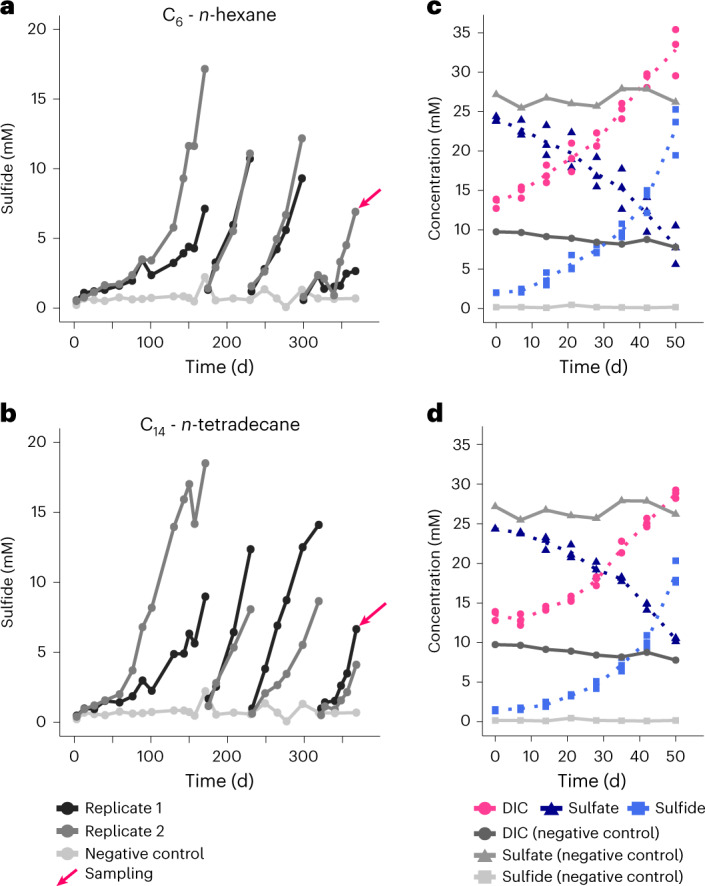
Fig. 1
Fig. 1. Metabolic activity in anaerobic petroleum alkane-oxidizing cultures at 70 °C.
a,b, Formation of sulfide over time in n-hexane (C6) (a) and n-tetradecane (C14) (b) cultures. Gaps in concentration profiles indicate dilution events. Arrows mark sampling for metagenomic and transcriptomic analyses. c,d, Concentrations of dissolved inorganic carbon (DIC), sulfate and sulfide in the C6 (c) and C14 (d) cultures, and in abiotic controls. For the cultures, three replicate samples were measured, with arithmetic mean shown as a dotted line. Source data
Fig. 2
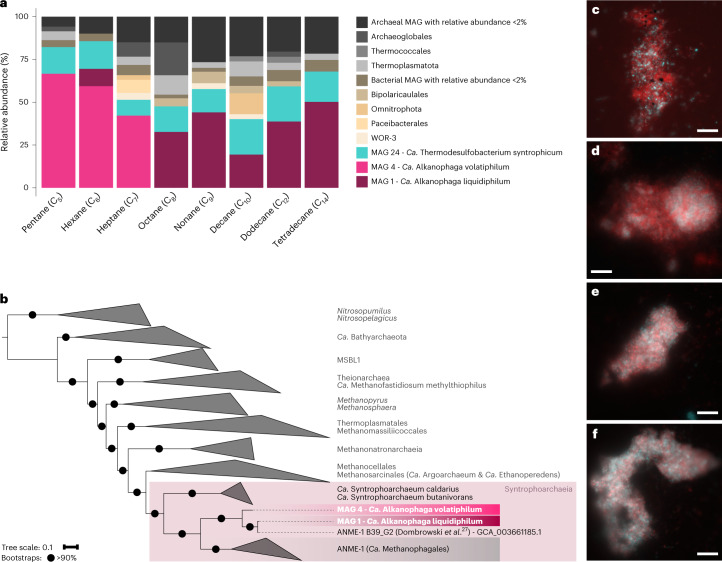
Fig. 2. Two archaea of the genus Ca. Alkanophaga are abundant in the cultures and closely related to ANME-1.
a, Relative abundances of MAGs obtained from manual binning. Ca. Alkanophaga volatiphilum (MAG 4) is abundant in cultures oxidizing shorter, volatile alkanes between C5-C7; Ca. Alkanophaga liquidiphilum (MAG 1) is abundant in cultures oxidizing liquid alkanes between C8 and C14. A Thermodesulfobacterium with the genomic capacities for dissimilatory sulfate reduction, Ca. Thermodesulfobacterium syntrophicum, is present in all cultures. Taxonomies of background MAGs are displayed at order level. Background archaea are shaded grey; background bacteria are shaded brown. b, Phylogenomic placement of Ca. Alkanophaga MAGs based on the concatenated alignment of 76 archaeal single-copy core genes. Ca. Alkanophaga diverge at the root of ANME-1 (Ca. Methanophagales). The class Syntrophoarchaeia is highlighted with a shaded rectangle. The outgroup consists of members of the Thermoproteota. Tree scale bar, 10% sequence divergence. cf, Double hybridization of C6 (c,d) and C14 (e,f) culture samples with a specific probe targeting the Ca. Alkanophagales clade (Aph183, red) and a general bacterial probe (EUBI-III, cyan). Ca. Alkanophaga cells are abundant in the aggregates where they co-occur with bacterial cells. Scale bar, 10 µm. Source data
Fig. 3
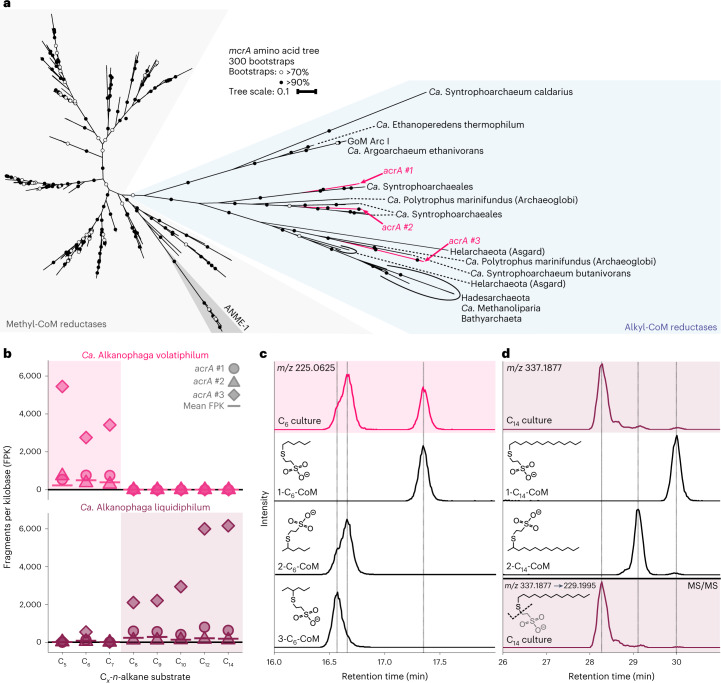
Fig. 3. Ca. Alkanophaga use alkyl-coenzyme M reductases to activate alkanes to alkyl-CoMs.
a, Phylogenetic placement of translated mcrA sequences of Ca. Alkanophaga. Both Ca. Alkanophaga species contain three mcrA sequences, all of which fall into the divergent branch of mcrAs, encoding alkyl-CoM reductases (Acrs), highlighted in blue. The six acrA sequences form three clusters of two sequences, each cluster containing one sequence of each Ca. Alkanophaga species. Tree scale bar, 10% sequence divergence. b, Expression of acrA genes during growth on various alkanes for both Ca. Alkanophaga species. Cultures in which the respective species was prevalent in the metagenomes are highlighted with shaded boxes. The mean expression of all genes of the respective species is shown as a horizontal bar. The acrA of the third cluster was strongly expressed, irrespective of substrate length, by the species abundant in that culture. The expression of the other acrA genes was low. c,d, Extracted ion chromatograms (EICs) based on exact mass and a window of ±10 mDa of deprotonated ions of variants of C6-CoM (c) and C14-CoM (d) detected via liquid chromatography–mass spectrometry. In both c and d, the upper shaded panels show the culture extract, with isomers of alkyl-CoM standards below. In d, the shaded bottom panel shows the EIC produced with the exact mass of the C14-thiolate, a fragmentation product derived in MS/MS experiments from the precursor C14-CoM. Dashed vertical lines were added at retention times of peak maxima of standards (c) or standards and fragmentation products (d) for easier identification of peaks in the culture extracts. While C6 is activated on the first and second carbon atom to a similar degree, C14 is activated predominantly to ≥3-C14-CoM. Source data
Fig. 4
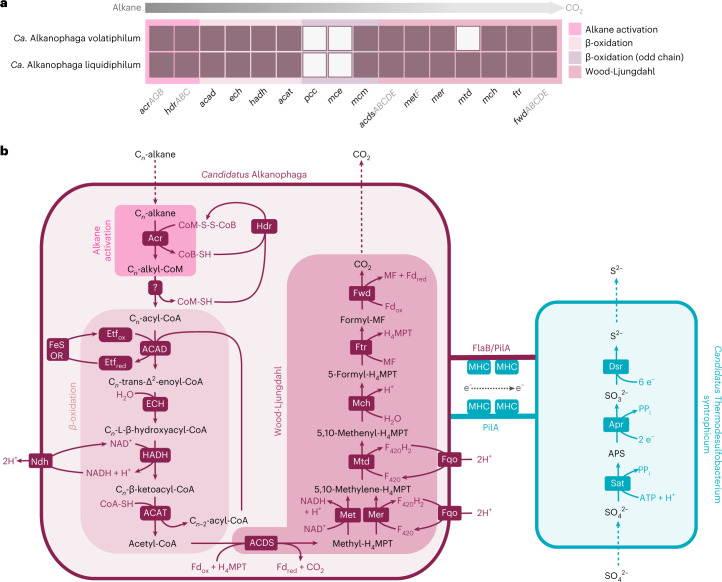
Fig. 4. Mechanism of syntrophic petroleum alkane oxidation.
a, Genomic capacities for alkane oxidation in Ca. Alkanophaga MAGs. Colour-filled rectangles indicate presence of a gene; white rectangles indicate absence. For multiple-subunit proteins, at least one gene coding for each subunit was found in case of a filled rectangle. b, Metabolic model for syntrophic alkane oxidation. Ca. Alkanophaga activates alkanes via the alkyl-coenzyme M reductase (Acr). A yet unknown pathway transforms alkyl-CoM to acyl-CoA. The enzymes of the β-oxidation pathway, including (1) acyl-CoA dehydrogenase (ACAD), (2) enoyl-CoA hydratase (ECH), (3) hydroxyacyl-CoA dehydrogenase (HADH) and (4) acyl-CoA acetyltransferase (ACAT), cleave acyl-CoA into multiple acetyl-CoA units. The acetyl-CoA decarbonylase/synthase (ACDS) complex breaks the acetyl units into CO2 and a tetrahydromethanopterin (H4MPT)-bound methyl unit. The methyl branch of the Wood-Ljungdahl pathway, including (1) 5,10-methylene tetrahydrofolate reductase (MetF) and/or 5,10-methylene H4MPT reductase (Mer), (2) methylene-H4MPT dehydrogenase (Mtd), (3) methenyl-H4MPT cyclohydrolase (Mch), (4) formylmethanofuran-H4MPT formyltransferase (Ftr) and (5) tungsten-containing formylmethanofuran dehydrogenase (Fwd), oxidizes methyl-H4MPT to CO2. Most probably, an electron transfer flavoprotein (Etf) serves as electron acceptor in the first step of the β-oxidation pathway. Cofactor recycling is taken over by cytoplasmic heterodisulfide reductase (Hdr), [FeS]-oxidoreductase (FeS-OR), NADH dehydrogenase (Ndh) and F420H2:quinone oxidoreductase (Fqo). Electrons from alkane oxidation are transferred to Ca. Thermodesulfobacterium syntrophicum, most probably via DIET. DIET seems to rely on conductive filaments formed by type IV pilin (PilA) and/or flagellin B (FlaB) that are expressed by both partners, and multihaem c-type cytochromes (MHCs) expressed solely by the bacterium. Sulfate reduction in Ca. T. syntrophicum follows the canonical dissimilatory sulfate pathway using the enzymes ATP-sulfurylase (Sat), APS-reductase (Apr) and dissimilatory sulfite reductase (Dsr). pcc, gene encoding propionyl-CoA decarboxylase; mce, gene encoding methylmalonyl-CoA epimerase.
Fig. 5
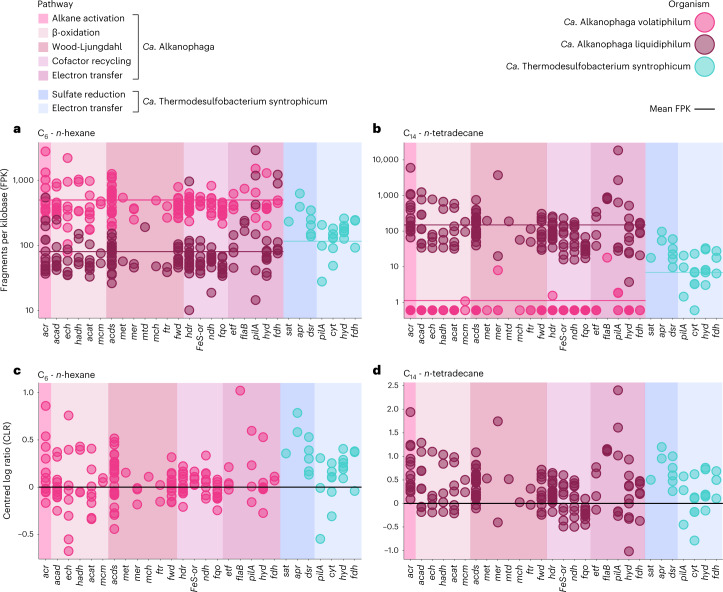
Fig. 5. Gene expression profiles for syntrophic petroleum alkane oxidation.
a,b, Fragment counts normalized to gene length (FPK) shown on a logarithmic y axis. The average gene expression of each organism is indicated as arithmetic mean (sum of all FPK values divided by number of genes) depicted as a horizontal line. c,d, Fragment counts normalized as CLR. For simplicity, only the values of the more active Ca. Alkanophaga species are shown. For abbreviations, see Fig. 4; hyd, gene encoding [NiFe]-hydrogenase; fdh, gene encoding formate dehydrogenase; cyt, gene encoding multihaem cytochrome. Source data
Extended Data Fig. 1
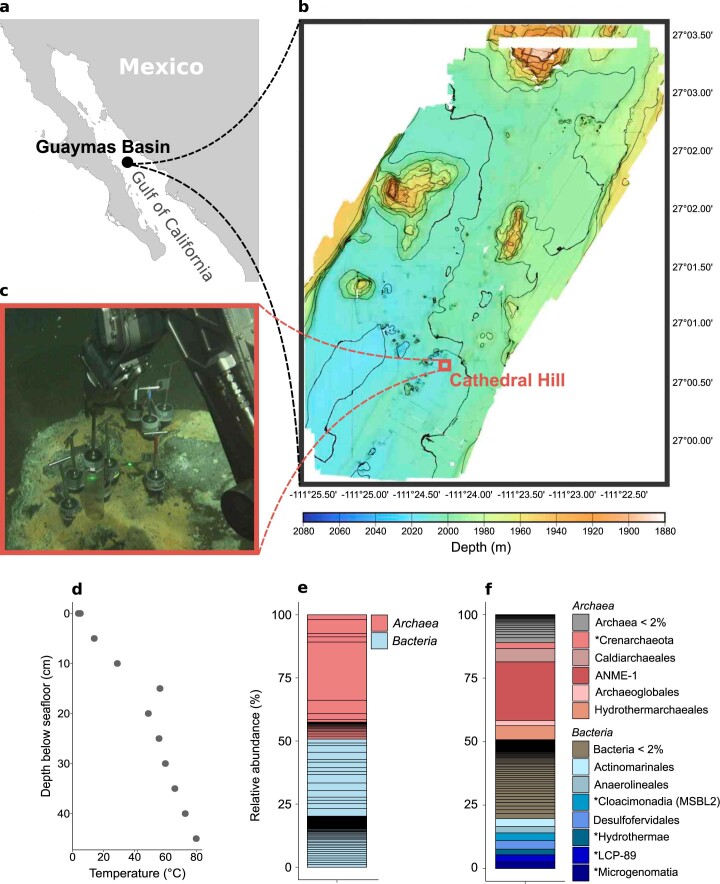
Extended Data Fig. 1. Sampling site in the Guaymas Basin and microbial community in the original sediment.
a, Location of the Guaymas Basin in the Gulf of California. b, Bathymetry of the southern end of the Southern Trough of the Guaymas Basin with the location of the Cathedral Hill hydrothermal vent area. c, Sampling of the push core (4991-15) that was used for anoxic cultivations in an area densely covered by orange sulfur-oxidizing Beggiatoa mats. d, Depth-temperature profile in the sampling site. The temperature was measured using Alvin’s heatflow probe. Push cores reached about 30 cm into the sediment, where the temperature approached about 60 °C (sampling site photograph and temperature data courtesy of the Woods Hole Oceanographic Institution, from RV Atlantis cruise AT42-05). e, f Microbial community in the anoxic sediment slurry prepared from core 4991-15 before starting anoxic incubations based on 16S rRNA gene fragments recruited from the metagenome. e, On the domain level, archaea and bacteria each make up around 50%. f, Taxonomic groups on order level. For groups with unknown order assignment marked with *, the next known higher taxonomic levels are indicated. An ANME-1 group is abundant within the archaeal fraction while the bacterial fraction is very diverse. Source data
Extended Data Fig. 2
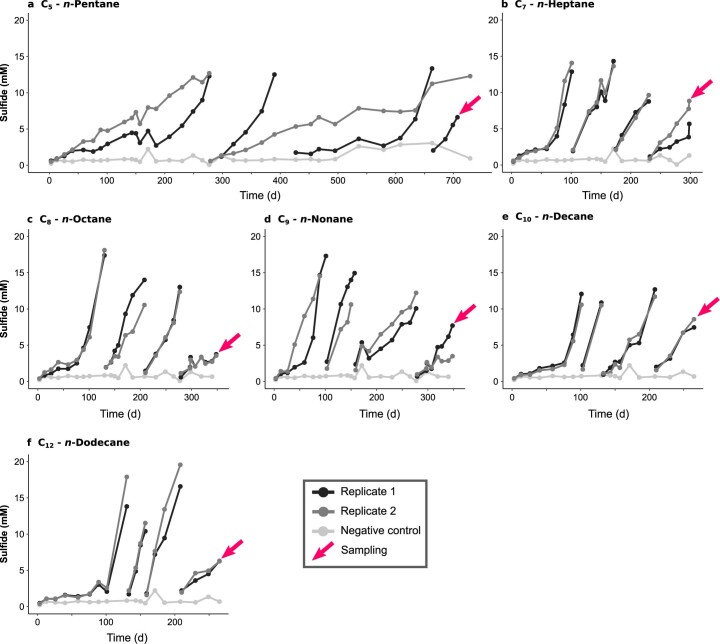
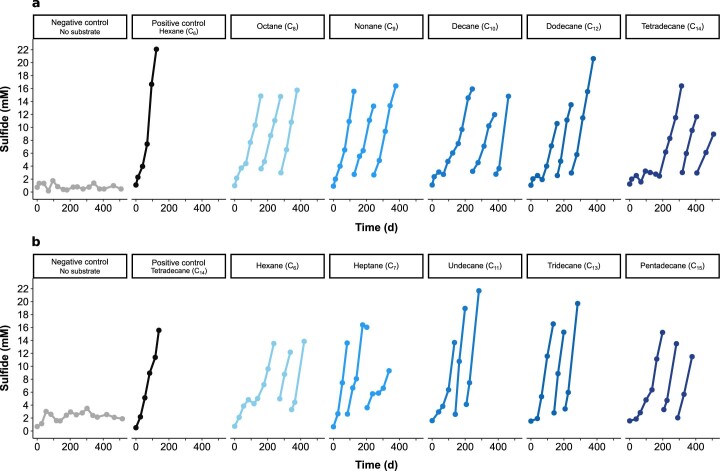
Extended Data Fig. 2. Sulfide production in anoxic C5-C12n-alkane-degrading cultures at 70 °C up to the third dilution.
Each culture was set up as a duplicate. Gaps in sulfide level indicate dilution steps. Pink arrows indicate the sampling points for metagenome and -transcriptome sequencing. Samples were collected after the third dilution from cultures degrading (a) n-pentane, (b) n-heptane, (c) n-octane, (d) n-nonane, (e) n-decane, and (f) n-dodecane. The negative control (light gray line) consisted of a sediment slurry without added substrate. Source data
Extended Data Fig. 3
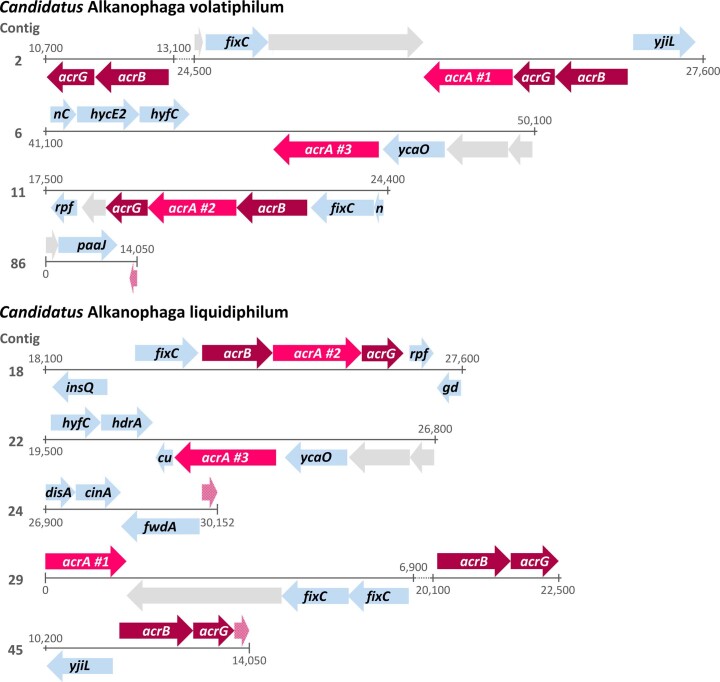
Extended Data Fig. 3. Organization of acr genes in Candidatus Alkanophaga MAGs.
Partial acrA genes are shown in light pink, unannotated genes in light gray. Some gene names were shortened to fit the arrows. Genes code for: acrA: alkyl-coenzyme M reductase, alpha subunit; acrB: alkyl-coenzyme M reductase, beta subunit; acrG: alkyl-coenzyme M reductase, gamma subunit; fixC: flavoprotein dehydrogenase; yjiL: activator of 2-hydroxyglutaryl-CoA dehydratase; nC: nuoC-NADH:ubiquinone oxidoreductase; hycE2: [NiFe]-hydrogenase III large subunit; hyfC: formate hydrogenlyase; ycaO: ribosomal protein S12 methylthiotransferase accessory factor; rpf: rpf1-rRNA maturation protein; n: nuoI-formate hydrogenlyase subunit 6; paaJ: acetyl-CoA acetyltransferase; insQ: transposase; gd: gdb1-glycogen debranching enzyme; hdrA: heterodisulfide reductase, subunit A; cu: cutA1-divalent cation tolerance protein; disA: c-di-AMP synthetase; cinA: ADP-ribose pyrophosphatase domain of DNA damage- and competence-inducible protein CinA; fwdA: formylmethanofuran dehydrogenase subunit A. Source data
Extended Data Fig. 4
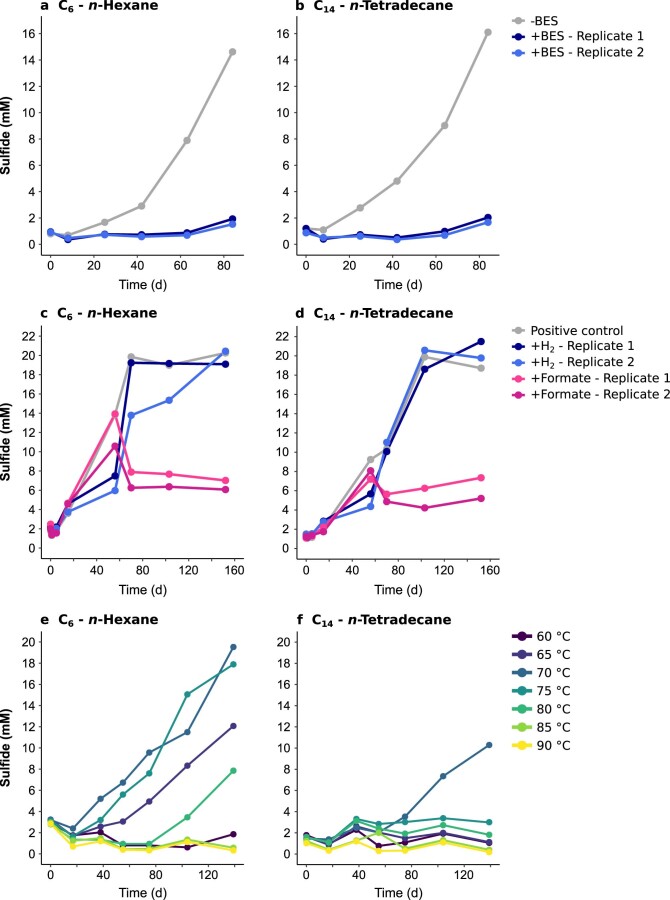
Extended Data Fig. 4. Sulfide production in n-hexane (C6)- and n-tetradecane (C14)-degrading cultures under different conditions.
a, b, Treatment with 2-bromoethanosulfonate (BES). BES (5 mM final concentration) was added to duplicates of C6 (a) and C14 (b) degrading cultures ( + BES). A control culture (-BES) did not receive BES. The inhibition of alkane oxidation by BES corroborates an Acr-based substrate activation. c,d, Addition of hydrogen or formate to C6 (c) and C14 (d)-degrading cultures. All cultures were supplied with the original substrate. The addition of 10% H2 into the headspace or 10 mM sodium formate into the medium did not accelerate sulfide production compared to positive controls. e, f, Incubation at temperatures between 60 °C and 90 °C. The C6-degrading culture (e) grows optimally at 70 °C and 75 °C, while it still shows some activity at slightly lower (65 °C) and slightly higher (80 °C) temperatures. The activity of the C14-degrading culture (f) seems to be limited to 70 °C. Source data
Extended Data Fig. 5
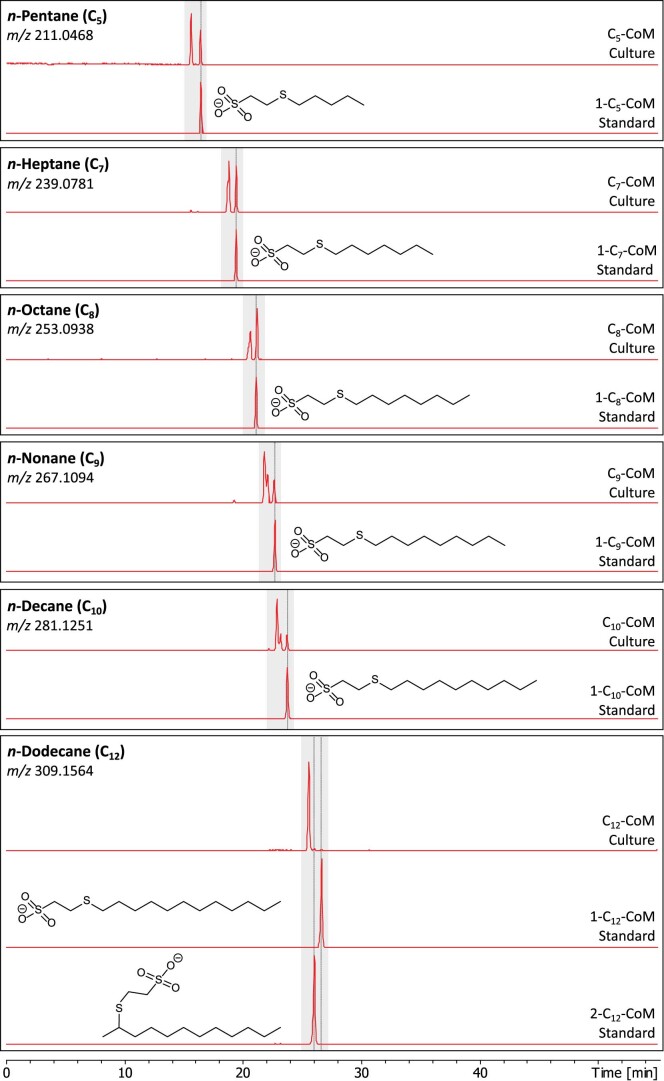
Extended Data Fig. 5. Detection of alkyl-CoMs in Cx-n-alkane-degrading cultures.
Samples were separated by liquid chromatography and extracted ion chromatograms (EICs) based on the exact mass of deprotonated ions of the Cx-alkyl-CoMs with a window of ±10 mDa were created. Panels show the EICs of culture extracts together with synthetic standards. Dashed vertical lines were added at the retention times of peak maxima of the standards for easier identification of peaks in the culture extracts. Peaks with mass-to-charge ratios (m/z) of the respective alkyl-CoM were detected in all cultures. All culture extracts show several peaks, indicating an activation at different carbon atoms. While shorter alkanes are activated to a similar degree at subterminal and terminal positions, longer alkanes are predominantly activated at non-terminal carbon atoms.
Extended Data Fig. 6
Extended Data Fig. 6. Substrate spectra of originally (a) n-hexane- and (b) n-tetradecane-oxidizing enrichment cultures.
Cultures were diluted into fresh sulfate-reducer medium and supplemented with other n-alkanes between C3 and C20. Only active cultures are shown. No activity was observed for cultures supplied with C3, C4, C16, C18, or C20. Source data
Extended Data Fig. 7
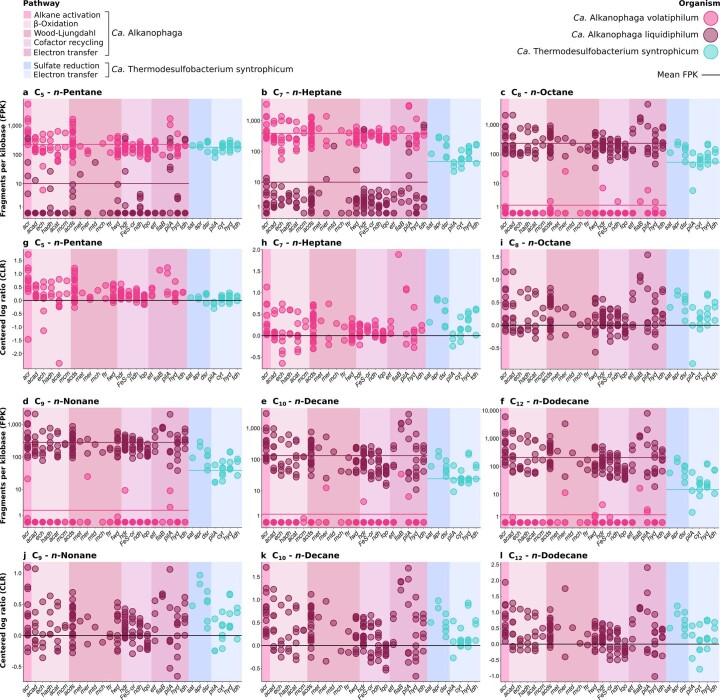
Extended Data Fig. 7. Expression of alkane oxidation, sulfate reduction, and related genes in C5-C12n-alkane-oxidizing cultures.
Transcriptome reads were mapped to the MAGs of the two Candidatus Alkanophaga species and to Ca. Thermodesulfobacterium syntrophicum. a-f, Fragment counts normalized to gene length (FPK) using a logarithmic y axis. The average gene expression of each organism is indicated as arithmetic mean (sum of all FPK values divided by number of genes) depicted as a horizontal line. g-l, Fragment counts normalized as CLR. For simplicity, only values of the more active Ca. Alkanophaga species are shown. The x-axis shows the genes encoding: acr: alkyl-CoM reductase, acad: acyl-CoA dehydrogenase, ech: enoyl-CoA hydratase, hadh: hydroxyacyl-CoA dehydrogenase, acat: acetyl-CoA acetyltransferase, mcm: methylmalonyl-CoA mutase, acds: acetyl-CoA decarbonylase/synthase, met: 5,10-methylene tetrahydrofolate reductase, mer: 5,10-methylene tetrahydromethanopterin (H4MPT) reductase, mtd: methylene-H4MPT dehydrogenase, mch: methenyl-H4MPT cyclohydrolase, ftr: formylmethanofuran-H4MPT formyltransferase, fwd: tungsten-containing formylmethanofuran dehydrogenase, hdr: heterodisulfide reductase, FeS-or: [FeS]-oxidoreductase, ndh: NADH dehydrogenase, fqo: F420H2:quinone oxidoreductase, etf: electron transfer flavoprotein, flaB: flagellin B, pilA: type IV pilin, hyd: [NiFe]-hydrogenase, fdh: formate dehydrogenase, sat: ATP-sulfurylase, apr: APS-reductase, dsr: dissimilatory sulfite reductase, cyt: multi-heme c-type cytochrome. Source data
Extended Data Fig. 8
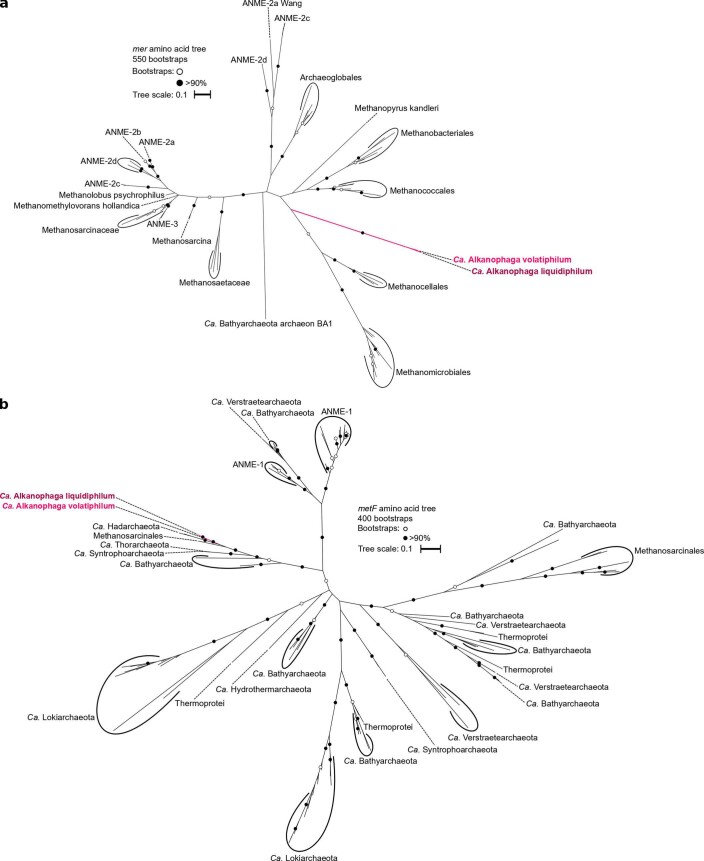
Extended Data Fig. 8. Phylogenetic placement of (a) 5,10-methylene-H4MPT reductase (mer) and (b) methylenetetrahydrofolate reductase (metF) sequences recovered from Ca. Alkanophaga MAGs.
Both mer and metF sequences of the two Ca. Alkanophaga species are highly similar to each other. The mer sequences, which distinguish Ca. Alkanophaga in the class Syntrophoarchaeia, might originate from the ancestor of Methanocellales, while metF sequences cluster near those of close relatives Ca. Syntrophoarchaeales. Source data
Extended Data Fig. 9
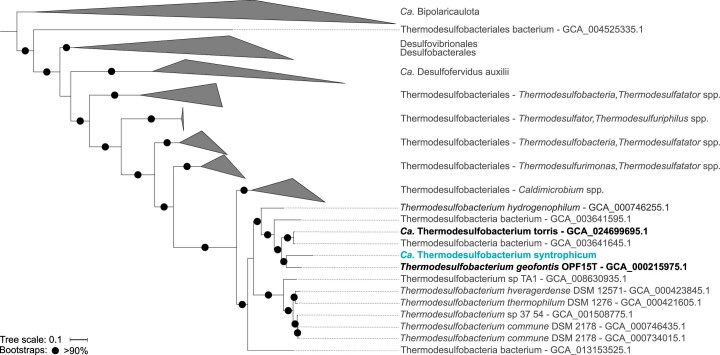
Extended Data Fig. 9. Phylogenomic placement of Candidatus Thermodesulfobacterium syntrophicum based on the concatenated alignment of 71 bacterial single copy core genes.
Ca. T. syntrophicum is closely related to the already cultured Thermodesulfobacterium geofontis (OPF15T) and to Ca. Thermodesulfobacterium torris, which functions as partner bacterium in the thermophilic anaerobic oxidation of methane. The outgroup consists of members of the candidate phylum Bipolauricaulota. The tree scale bar indicates 10% sequence divergence. Source data
Extended Data Fig. 10
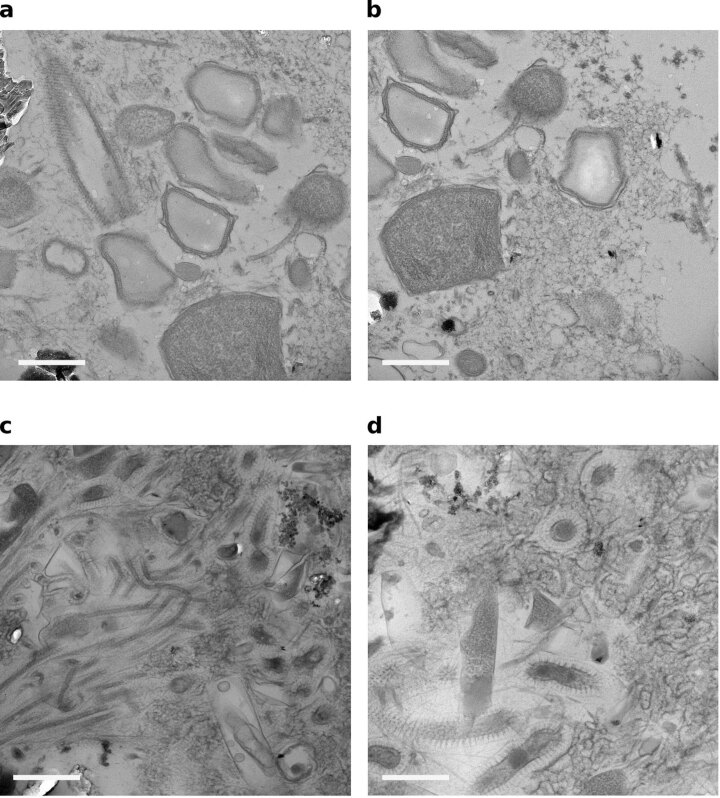
Extended Data Fig. 10. Transmission electron micrographs of EPON 812-embedded thin-sections of (a,b) C6- and (c,d) C14-n-alkane-degrading culture samples.
The scale bar indicates 0.5 µm. The experiment was run once with one biological replicate per sample. Images are representative for > 5 recorded images per sample.

References

    1. Claypool GE, Kvenvolden KA. Methane and other hydrocarbon gases in marine sediment. Annu. Rev. Earth Planet. Sci. 1983;11:299–327. doi: 10.1146/annurev.ea.11.050183.001503. - DOI
    1. Simoneit BRT. Petroleum generation, an easy and widespread process in hydrothermal systems: an overview. Appl. Geochem. 1990;5:3–15. doi: 10.1016/0883-2927(90)90031-Y. - DOI
    1. Kissin YV. Catagenesis and composition of petroleum: origin of n-alkanes and isoalkanes in petroleum crudes. Geochim. Cosmochim. Acta. 1987;51:2445–2457. doi: 10.1016/0016-7037(87)90296-1. - DOI
    1. Watkinson RJ, Morgan P. Physiology of aliphatic hydrocarbon-degrading microorganisms. Biodegradation. 1990;1:79–92. doi: 10.1007/BF00058828. - DOI - PubMed
    1. Aeckersberg F, Bak F, Widdel F. Anaerobic oxidation of saturated hydrocarbons to CO2 by a new type of sulfate-reducing bacterium. Arch. Microbiol. 1991;156:5–14. doi: 10.1007/BF00418180. - DOI

Publication types