


Gut microbiome immaturity and childhood acute lymphoblastic leukaemia
- PMID: 37280427
- PMCID: PMC10243253
- DOI: 10.1038/s41568-023-00584-4
Gut microbiome immaturity and childhood acute lymphoblastic leukaemia
Abstract
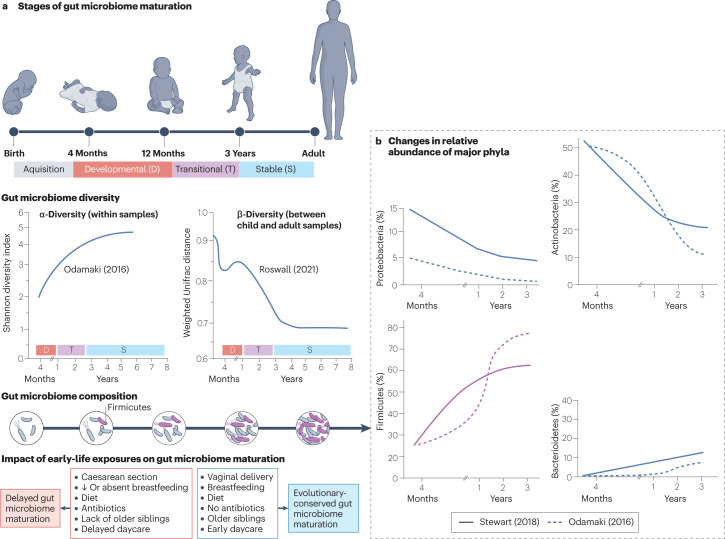
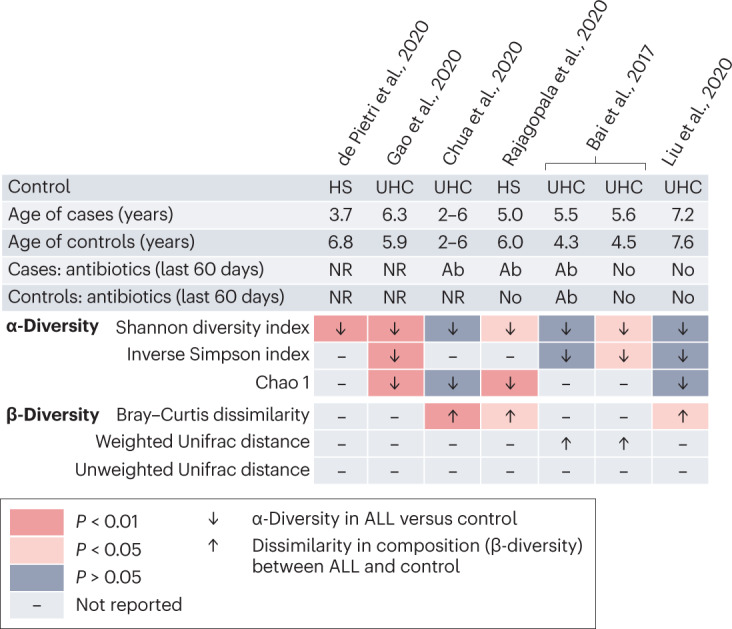
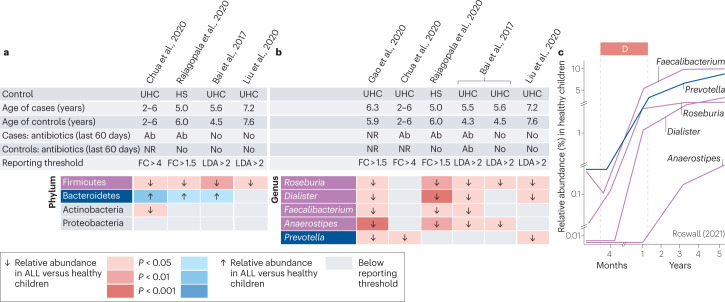
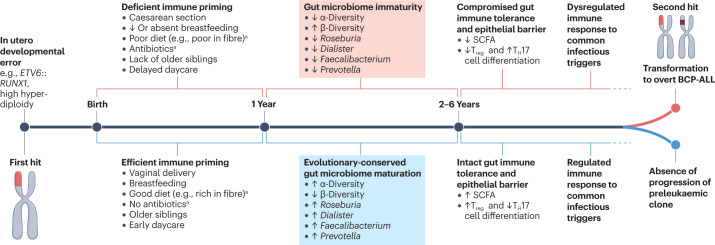
Acute lymphoblastic leukaemia (ALL) is the most common cancer of childhood. Here, we map emerging evidence suggesting that children with ALL at the time of diagnosis may have a delayed maturation of the gut microbiome compared with healthy children. This finding may be associated with early-life epidemiological factors previously identified as risk indicators for childhood ALL, including caesarean section birth, diminished breast feeding and paucity of social contacts. The consistently observed deficiency in short-chain fatty-acid-producing bacterial taxa in children with ALL has the potential to promote dysregulated immune responses and to, ultimately, increase the risk of transformation of preleukaemic clones in response to common infectious triggers. These data endorse the concept that a microbiome deficit in early life may contribute to the development of the major subtypes of childhood ALL and encourage the notion of risk-reducing microbiome-targeted intervention in the future.
© 2023. Springer Nature Limited.
Conflict of interest statement
The authors declare no competing interests.
Figures
References
-
- Public Health England. Children, teenagers and young adults UK cancer statistics report 2021 1–30 (2021).
Publication types
MeSH terms
Grants and funding
LinkOut - more resources
Full Text Sources
