Review
. 2023 Jun 9;132(12):1674-1691.
doi: 10.1161/CIRCRESAHA.123.322055. Epub 2023 Jun 8.

Gut Microbiota and Microbial Metabolism in Early Risk of Cardiometabolic Disease

Affiliations
Review

Gut Microbiota and Microbial Metabolism in Early Risk of Cardiometabolic Disease

Curtis L Gabriel et al. Circ Res. .

Abstract

Cardiometabolic disease comprises cardiovascular and metabolic dysfunction and underlies the leading causes of morbidity and mortality, both within the United States and worldwide. Commensal microbiota are implicated in the development of cardiometabolic disease. Evidence suggests that the microbiome is relatively variable during infancy and early childhood, becoming more fixed in later childhood and adulthood. Effects of microbiota, both during early development, and in later life, may induce changes in host metabolism that modulate risk mechanisms and predispose toward the development of cardiometabolic disease. In this review, we summarize the factors that influence gut microbiome composition and function during early life and explore how changes in microbiota and microbial metabolism influence host metabolism and cardiometabolic risk throughout life. We highlight limitations in current methodology and approaches and outline state-of-the-art advances, which are improving research and building toward refined diagnosis and treatment options in microbiome-targeted therapies.

Keywords: adult; heart; humans; microbiota; morbidity.


Conflict of interest statement

Disclosures None.

Figures

Figure 1.
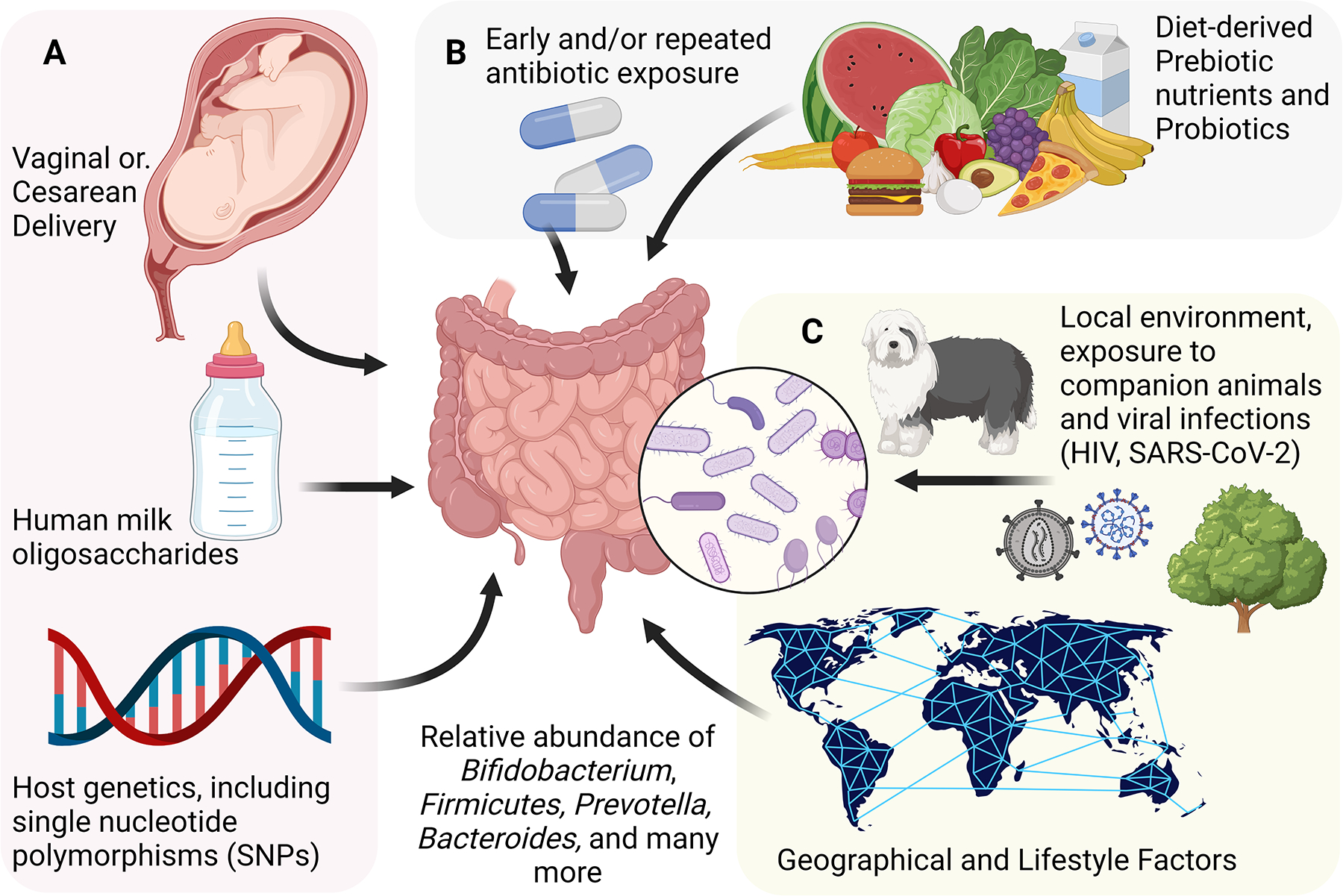
Figure 1.. Determinants of Gut Microbiome Composition.
Many factors influence the composition of the gut microbiota. Some of these are determined very early in life, and are not modifiable later in life, including individual genetic background, delivery method, and early infant feeding method (A). Other determinants are variable throughout life, and potentially modifiable, including diet and use of medications (B). Other factors are similarly variable throughout life, but potentially more difficult to modify, including persistent viral infection, the local environment and broader geographical environment (C). HIV: Human Immunodeficiency Virus; SARS-CoV-2: Severe acute respiratory syndrome coronavirus 2.
Figure 2.
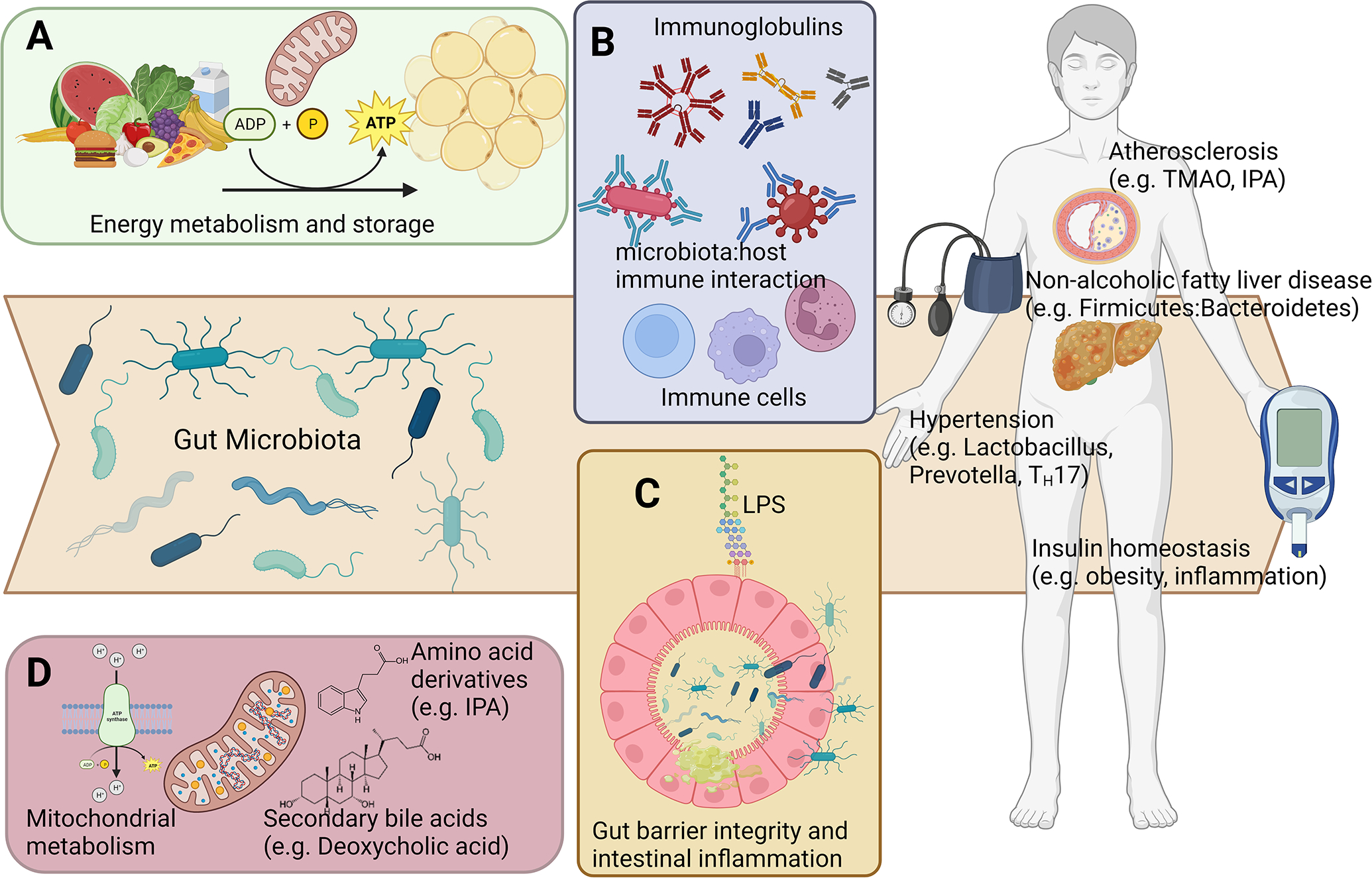
Figure 2.. Mechanisms linking microbial metabolism to host physiology.
Gut microbiota may cause cardiometabolic disease through diverse mechanisms including A) modulation of energy and nutrient availability; B) activation of immune responses; C) modulation of gut barrier integrity; and D) systemic effects via microbe-mediated signaling molecules. TMAO: Trimethylamine N-oxide; IPA: Indole-3-propionic acid. TH17: T helper 17 cells.

References

    1. Jackson MA, Verdi S, Maxan M-E, Shin CM, Zierer J, Bowyer RCE, Martin T, Williams FMK, Menni C, Bell JT, et al. Gut microbiota associations with common diseases and prescription medications in a population-based cohort. Nat Commun. 2018;9:2655. - PMC - PubMed
    1. Aagaard K, Ma J, Antony KM, Ganu R, Petrosino J, Versalovic J. The placenta harbors a unique microbiome. Sci Transl Med. 2014;6:237ra65. - PMC - PubMed
    1. Prince AL, Ma J, Kannan PS, Alvarez M, Gisslen T, Harris RA, Sweeney EL, Knox CL, Lambers DS, Jobe AH, et al. The placental membrane microbiome is altered among subjects with spontaneous preterm birth with and without chorioamnionitis. Am. J. Obstet. Gynecol 2016;214:627.e1–627.e16. - PMC - PubMed
    1. Jiménez E, Fernández L, Marín ML, Martín R, Odriozola JM, Nueno-Palop C, Narbad A, Olivares M, Xaus J, Rodríguez JM. Isolation of commensal bacteria from umbilical cord blood of healthy neonates born by cesarean section. Curr. Microbiol 2005;51:270–274. - PubMed
    1. Perez-Muñoz ME, Arrieta M-C, Ramer-Tait AE, Walter J. A critical assessment of the “sterile womb” and “in utero colonization” hypotheses: implications for research on the pioneer infant microbiome. Microbiome. 2017;5:48. - PMC - PubMed

Publication types