This is a preprint.
The secretory IgA (sIgA) response in human milk against the SARS-CoV-2 Spike is highly durable and neutralizing for at least 1 year of lactation post-infection
- PMID: 37293109
- PMCID: PMC10246141
- DOI: 10.1101/2023.05.19.23290192
The secretory IgA (sIgA) response in human milk against the SARS-CoV-2 Spike is highly durable and neutralizing for at least 1 year of lactation post-infection
Update in
-
The Secretory IgA Response in Human Milk Against the SARS-CoV-2 Spike Is Highly Durable and Neutralizing for At Least 1 Year of Lactation Postinfection.Breastfeed Med. 2023 Aug;18(8):602-611. doi: 10.1089/bfm.2023.0117. Breastfeed Med. 2023. PMID: 37615565 Free PMC article.
Abstract
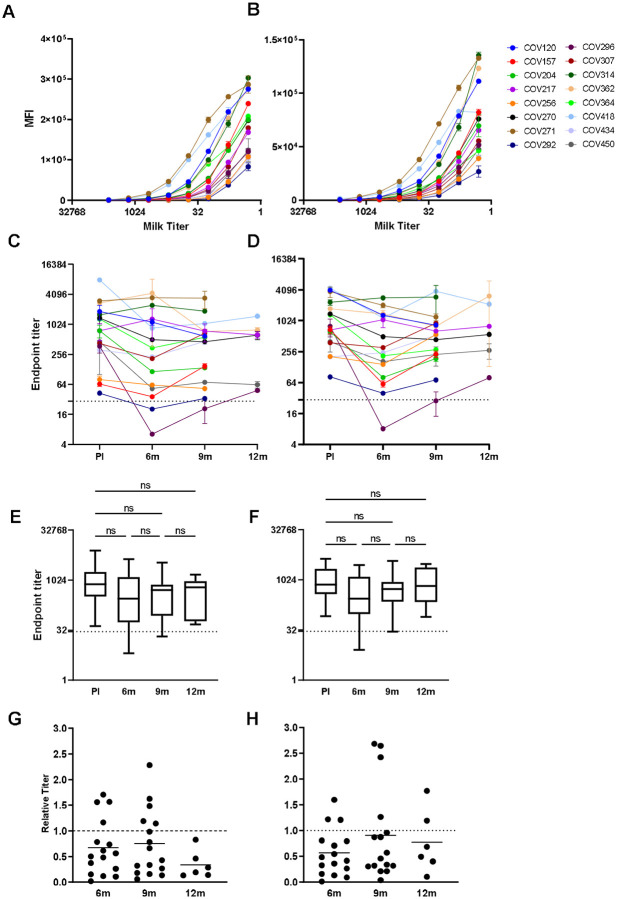
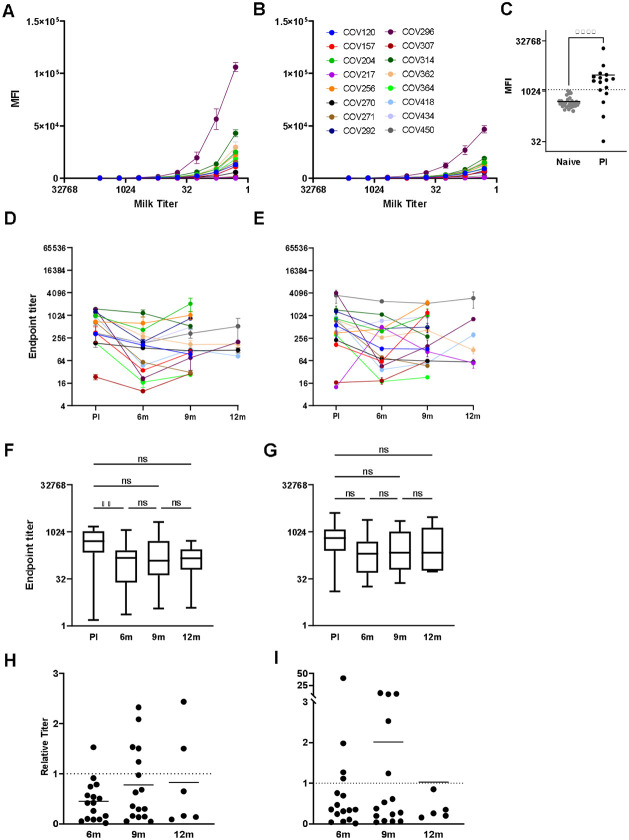
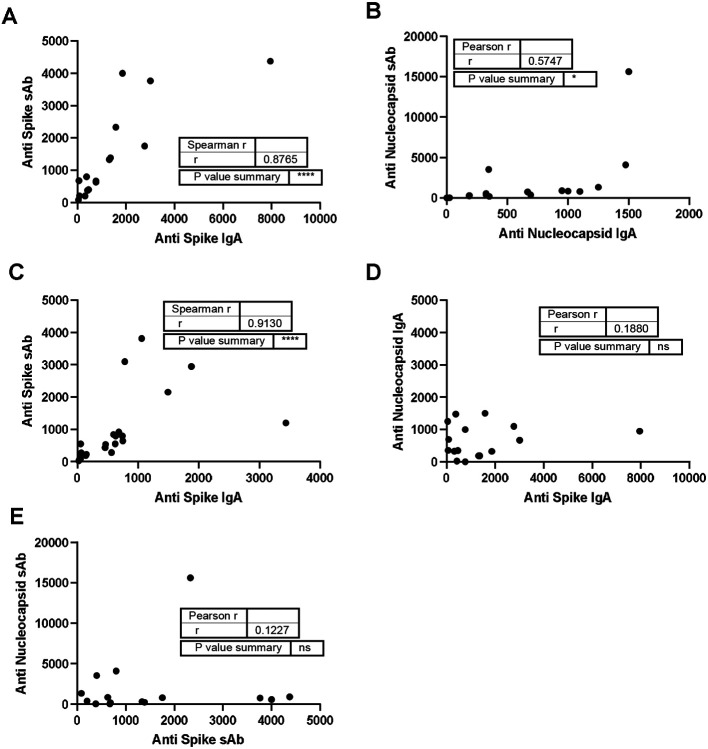
Although in the early pandemic period, COVID-19 pathology among young children and infants was typically less severe compared to that observed among adults, this has not remained entirely consistent as SARS-CoV-2 variants have emerged. There is an enormous body of evidence demonstrating the benefits of human milk antibodies (Abs) in protecting infants against a wide range of enteric and respiratory infections. It is highly plausible that the same holds true for protection against SARS-CoV-2, as this virus infects cells of the gastrointestinal and respiratory mucosae. Understanding the durability of a human milk Ab response over time after infection is critical. Previously, we examined the Abs present in milk of those recently infected with SARS-CoV-2, and concluded that the response was secretory IgA (sIgA)-dominant and that these titers were highly correlated with neutralization potency. The present study aimed to monitor the durability of the SARS-CoV-2 IgA and secretory Ab (sAb) response in milk from COVID-19-recovered lactating individuals over 12 months, in the absence of vaccination or re-infection. This analysis revealed a robust and durable Spike-specific milk sIgA response, that at 9-12 months after infection, 88% of the samples exhibited titers above the positive cutoff for IgA and 94% were above cutoff for sAb. Fifty percent of participants exhibited less than a 2-fold reduction of Spike-specific IgA through 12 months. A strong significant positive correlation between IgA and sAb against Spike persisted throughout the study period. Nucleocapsid-specific Abs were also assessed, which revealed significant background or cross reactivity of milk IgA against this immunogen, as well as limited/inconsistent durability compared to Spike titers. These data suggests that lactating individuals are likely to continue producing Spike-specific Abs in their milk for 1 year or more, which may provide critical passive immunity to infants against SARS-CoV-2 throughout the lactation period.
Figures
References
-
- Centers for Disease Control and Prevention. COVID Data Tracker. April 18 ed: US Department of Health and Human Services, CDC; 2023.
-
- Jones VG, Mills M, Suarez D, Hogan CA, Yeh D, Bradley Segal J, et al. COVID-19 and Kawasaki Disease: Novel Virus and Novel Case. Hosp Pediatr. 2020. - PubMed
Publication types
Grants and funding
LinkOut - more resources
Full Text Sources
Miscellaneous