


A systematic review and meta-analysis of antimicrobial resistance knowledge, attitudes, and practices: Current evidence to build a strong national antimicrobial drug resistance narrative in Ethiopia
- PMID: 37294747
- PMCID: PMC10256206
- DOI: 10.1371/journal.pone.0287042
A systematic review and meta-analysis of antimicrobial resistance knowledge, attitudes, and practices: Current evidence to build a strong national antimicrobial drug resistance narrative in Ethiopia
Erratum in
-
Correction: A systematic review and meta-analysis of antimicrobial resistance knowledge, attitudes, and practices: Current evidence to build a strong national antimicrobial drug resistance narrative in Ethiopia.PLoS One. 2025 Nov 20;20(11):e0337394. doi: 10.1371/journal.pone.0337394. eCollection 2025. PLoS One. 2025. PMID: 41264557 Free PMC article.
Abstract
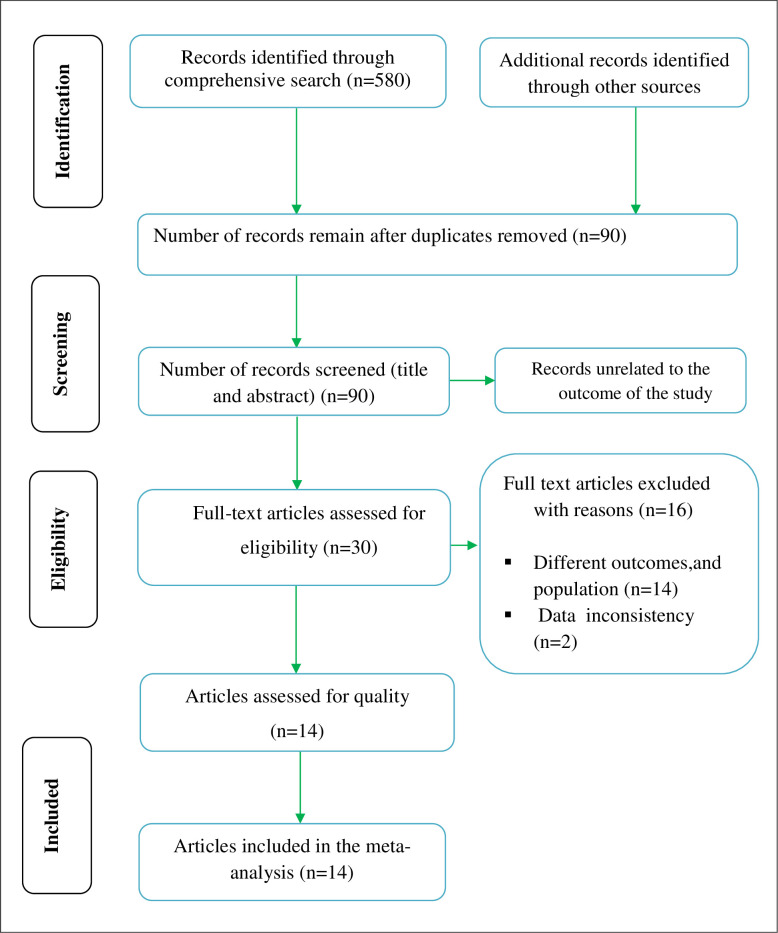
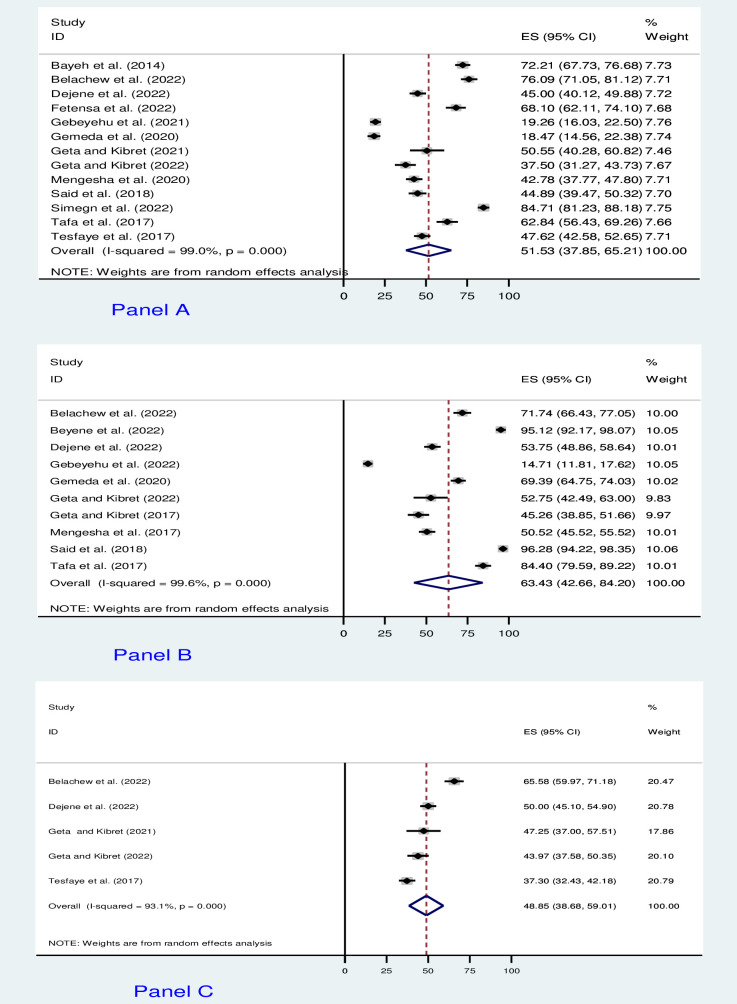
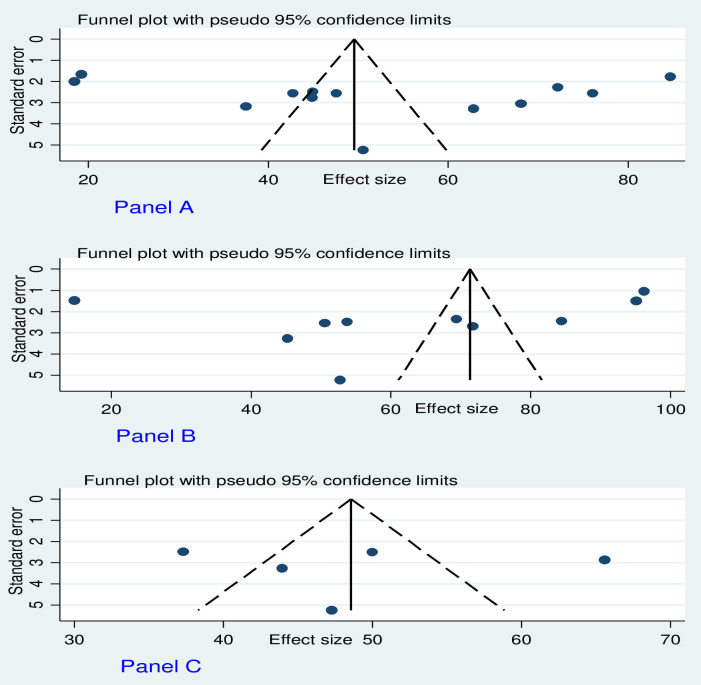
Antimicrobial resistance (AMR) is a silent pandemic that has claimed millions of lives, and resulted in long-term disabilities, limited treatment options, and high economic costs associated with the healthcare burden. Given the rising prevalence of AMR, which is expected to pose a challenge to current empirical antibiotic treatment strategies, we sought to summarize the available data on knowledge, attitudes, and practices regarding AMR in Ethiopia. Articles were searched in international electronic databases. Microsoft Excel spreadsheet and STATA software version 16 were used for data extraction and analysis, respectively. The Preferred Reporting Items for Systematic Reviews and Meta-Analysis 2020 checklist was followed. The methodological quality of the studies included was assessed by the Joana Briggs Institute critical appraisal checklists. The random-effect meta-analysis model was used to estimate Der Simonian-Laird's pooled effect. Statistical heterogeneity of the meta-analysis was checked through Higgins and Thompson's I2 statistics and Cochran's Q test. Publication bias was investigated by funnel plots, and the regression-based test of Egger for small study effects with a P value < 0.05 was considered to indicate potential reporting bias. In addition, sensitivity and subgroup meta-analyses were performed. Fourteen studies with a total of 4476 participants met the inclusion criteria. Overall, the pooled prevalence of good AMR knowledge was 51.53% [(95% confidence interval (CI): 37.85, 65.21), I2 = 99.0%, P <0.001]. The pooled prevalence of favorable attitudes and good practices were 63.43% [(95% CI: 42.66, 84.20), I2 = 99.6, P <0.001], and 48.85% [(95% CI: 38.68, 59.01), I2 = 93.1, P <0.001] respectively. In conclusion, there is a significant knowledge and practice gap on AMR among the general public, patients, and livestock producers. As a result, we call for greater educational interventions to raise awareness and build a strong national AMR narrative.
Copyright: © 2023 Woldegeorgis et al. This is an open access article distributed under the terms of the Creative Commons Attribution License, which permits unrestricted use, distribution, and reproduction in any medium, provided the original author and source are credited.
Conflict of interest statement
The authors have declared that no competing interests exist
Figures
References
-
- FAO (2016) Action Plan on Antimicrobial Resistance 2016–2020; supporting the food and agriculture sectors in implementing the Global Action Plan on Antimicrobial Resistance to minimize, the impact of antimicrobial resistance. Rome,Italy
-
- Organization WH (2019) Turning plans into action for antimicrobial resistance (AMR): working paper 2.0: implementation and coordination. World Health Organization.
Publication types
MeSH terms
Substances
LinkOut - more resources
Full Text Sources
Medical
Research Materials
Miscellaneous
