


Resveratrol Reverses Endothelial Colony-Forming Cell Dysfunction in Adulthood in a Rat Model of Intrauterine Growth Restriction
- PMID: 37298697
- PMCID: PMC10253508
- DOI: 10.3390/ijms24119747
Resveratrol Reverses Endothelial Colony-Forming Cell Dysfunction in Adulthood in a Rat Model of Intrauterine Growth Restriction
Abstract
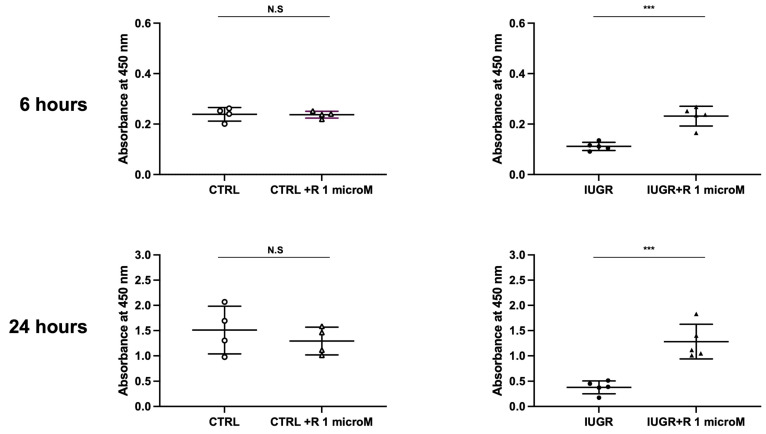
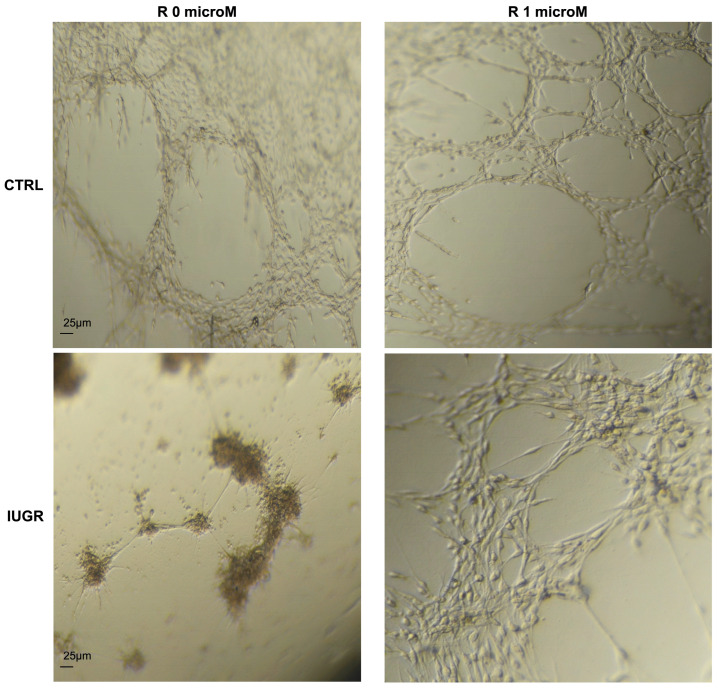
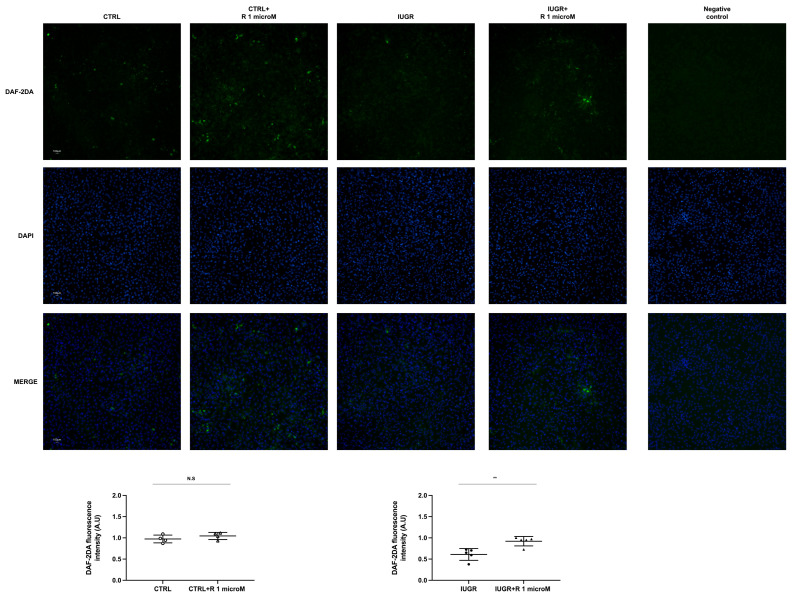
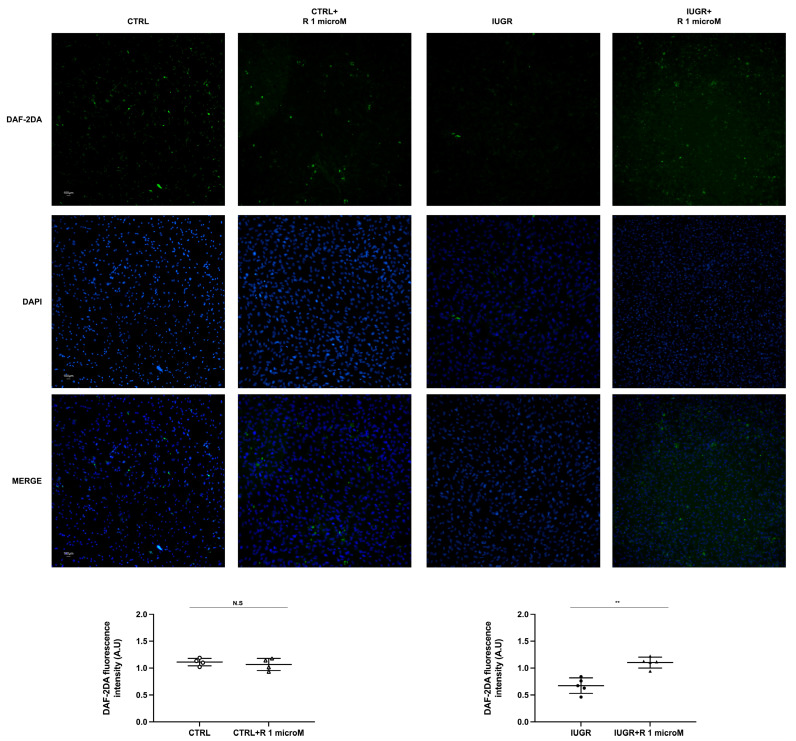
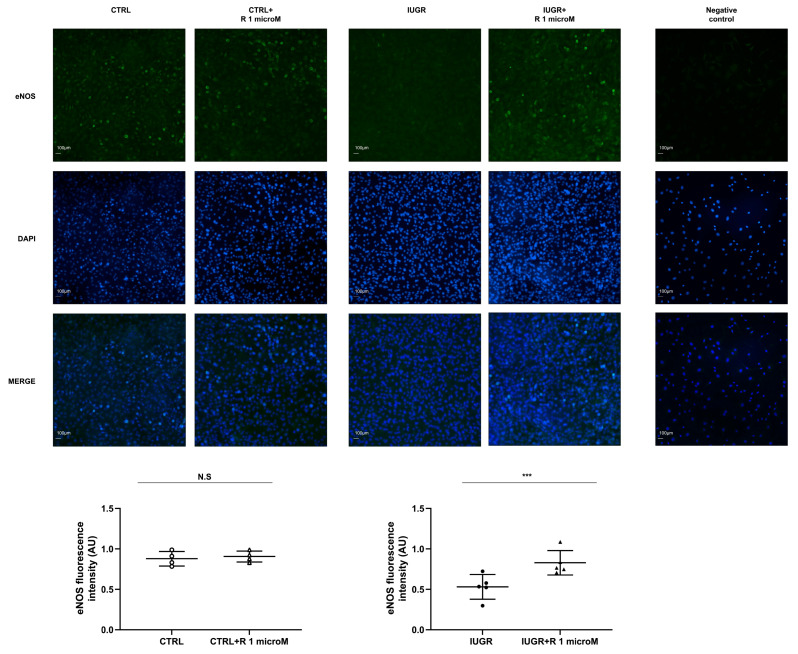
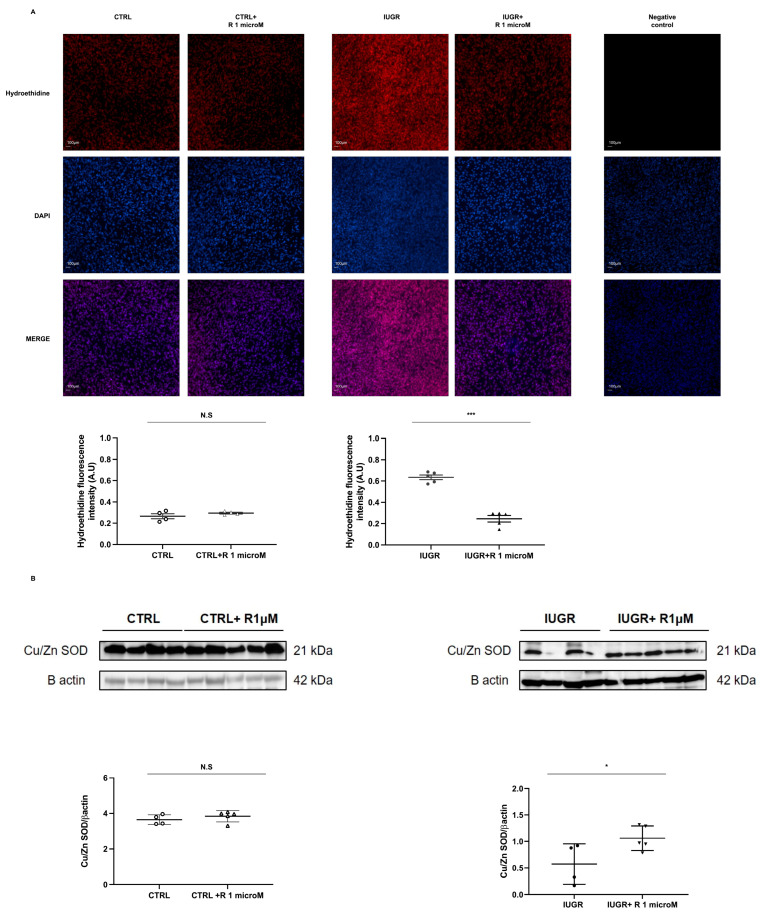
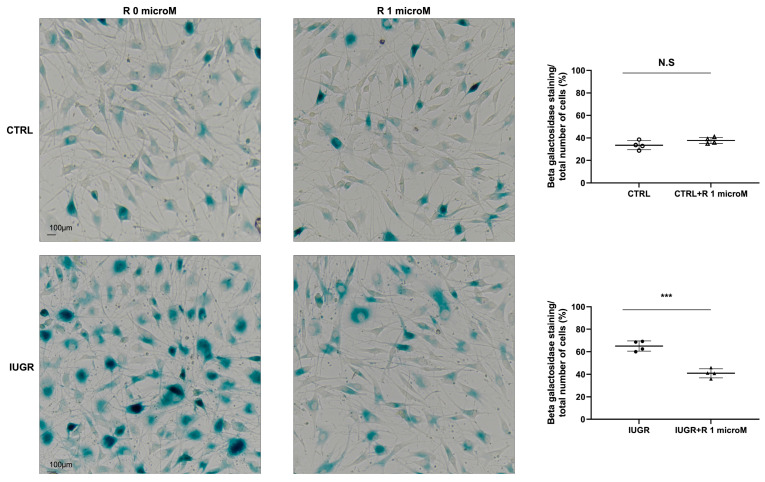
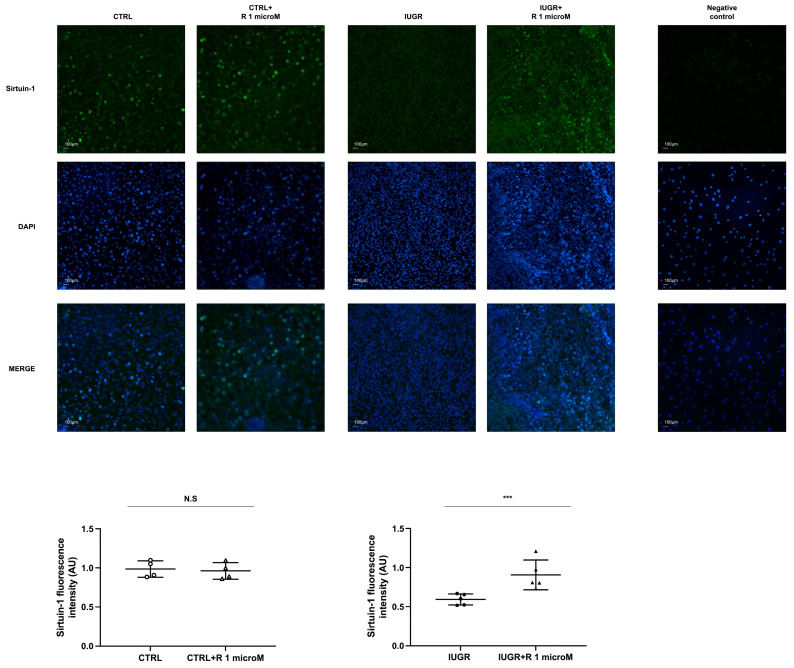
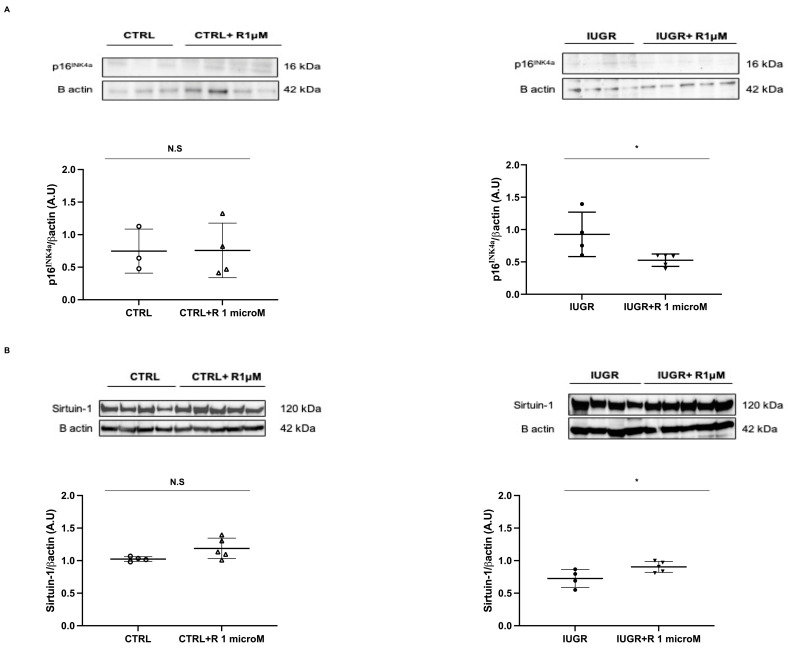
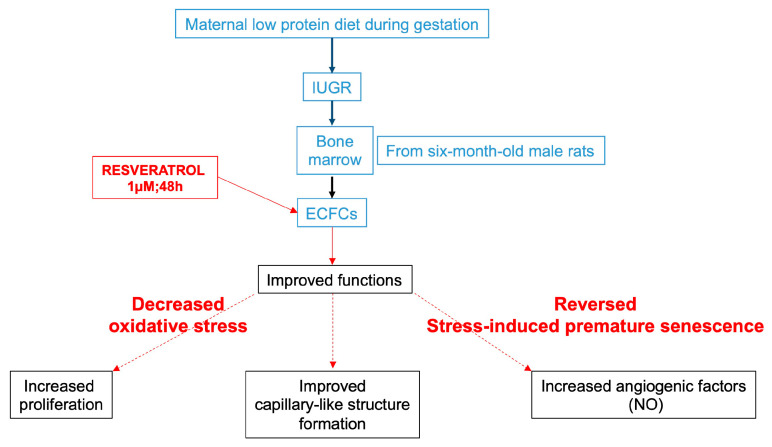
Individuals born after intrauterine growth restriction (IUGR) are at risk of developing cardiovascular diseases (CVDs). Endothelial dysfunction plays a role in the pathogenesis of CVDs; and endothelial colony-forming cells (ECFCs) have been identified as key factors in endothelial repair. In a rat model of IUGR induced by a maternal low-protein diet, we observed an altered functionality of ECFCs in 6-month-old males, which was associated with arterial hypertension related to oxidative stress and stress-induced premature senescence (SIPS). Resveratrol (R), a polyphenol compound, was found to improve cardiovascular function. In this study, we investigated whether resveratrol could reverse ECFC dysfunctions in the IUGR group. ECFCs were isolated from IUGR and control (CTRL) males and were treated with R (1 μM) or dimethylsulfoxide (DMSO) for 48 h. In the IUGR-ECFCs, R increased proliferation (5'-bromo-2'-deoxyuridine (BrdU) incorporation, p < 0.001) and improved capillary-like outgrowth sprout formation (in Matrigel), nitric oxide (NO) production (fluorescent dye, p < 0.01), and endothelial nitric oxide synthase (eNOS) expression (immunofluorescence, p < 0.001). In addition, R decreased oxidative stress with reduced superoxide anion production (fluorescent dye, p < 0.001); increased Cu/Zn superoxide dismutase expression (Western blot, p < 0.05); and reversed SIPS with decreased beta-galactosidase activity (p < 0.001), and decreased p16ink4a (p < 0.05) and increased Sirtuin-1 (p < 0.05) expressions (Western blot). No effects of R were observed in the CTRL-ECFCs. These results suggest that R reverses long-term ECFC dysfunctions related to IUGR.
Keywords: developmental programming; endothelial colony-forming cells; intrauterine growth restriction; oxidative stress; resveratrol; stress-induced premature senescence.
Conflict of interest statement
The authors declare no conflict of interest.
Figures
References
-
- Yzydorczyk C., Armengaud J.B., Peyter A.C., Chehade H., Cachat F., Juvet C., Siddeek B., Simoncini S., Sabatier F., Dignat-George F., et al. Endothelial dysfunction in individuals born after fetal growth restriction: Cardiovascular and renal consequences and preventive approaches. J. Dev. Orig. Health Dis. 2017;8:448–464. doi: 10.1017/S2040174417000265. - DOI - PubMed
MeSH terms
Substances
Grants and funding
LinkOut - more resources
Full Text Sources
