


Perspectives on Neuronutrition in Prevention and Treatment of Neurological Disorders
- PMID: 37299468
- PMCID: PMC10255487
- DOI: 10.3390/nu15112505
Perspectives on Neuronutrition in Prevention and Treatment of Neurological Disorders
Abstract
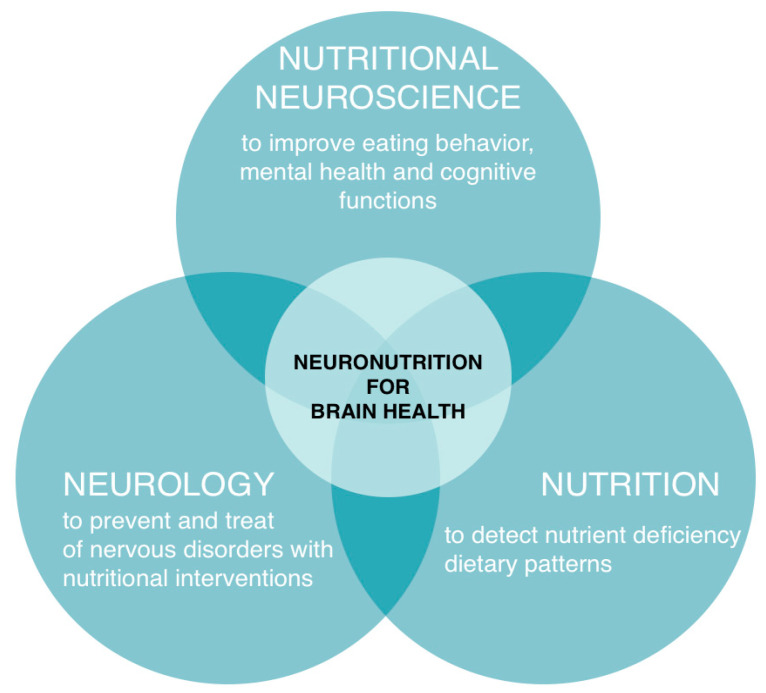
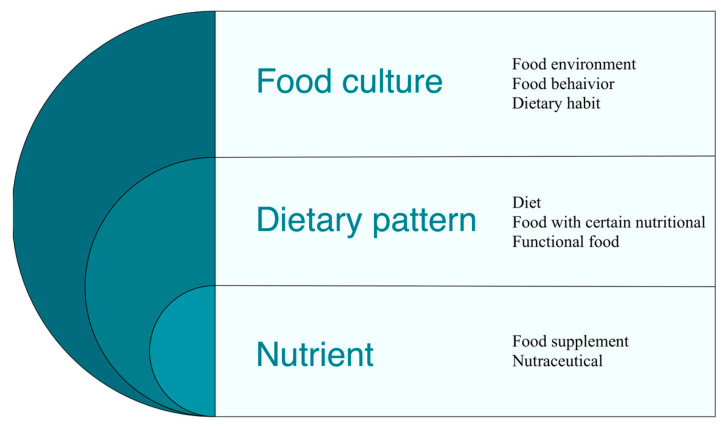
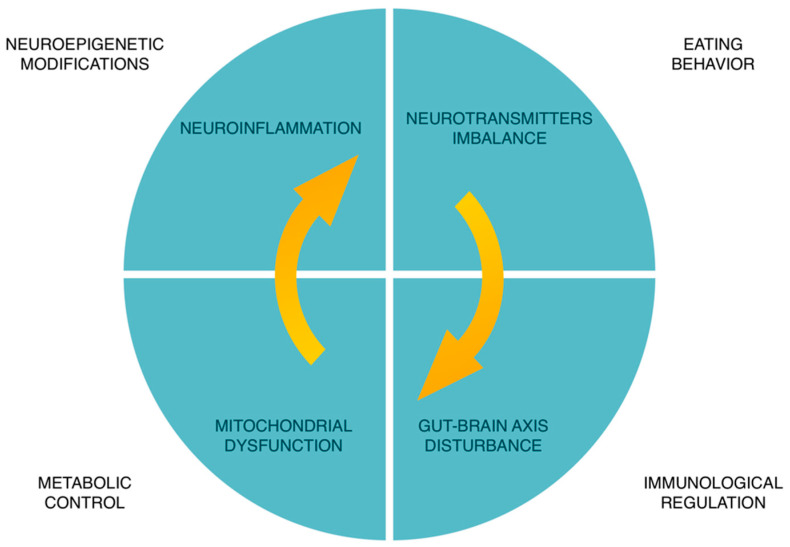
The term neuronutrition has been proposed as part of nutritional neuroscience, studying the effects of various dietary components on behavior and cognition. Other researchers underline that neuronutrition includes the use of various nutrients and diets to prevent and treat neurological disorders. The aim of this narrative review was to explore the current understanding of the term neuronutrition as the key concept for brain health, its potential molecular targets, and perspectives of its nutritional approach to the prevention and treatment of Alzheimer's and Parkinson's diseases, multiple sclerosis, anxiety, depressive disorders, migraine, and chronic pain. Neuronutrition can be defined as a part of neuroscience that studies the influence of various aspects of nutrition (nutrients, diet, eating behavior, food environment, etc.) on the development of nervous disorders and includes nutrition, clinical dietetics, and neurology. There is evidence that the neuronutritional approach can influence neuroepigenetic modifications, immunological regulation, metabolic control, and behavioral patterns. The main molecular targets in neuronutrition include neuroinflammation, oxidative/nitrosative stress and mitochondrial dysfunction, gut-brain axis disturbance, and neurotransmitter imbalance. To effectively apply neuronutrition for maintaining brain health, a personalized approach is needed, which includes the adaptation of the scientific findings to the genetic, biochemical, psycho-physiological, and environmental features of each individual.
Keywords: brain health; neurological disorders; neuronutrients; neuronutrition.
Conflict of interest statement
The authors declare no conflict of interest.
Figures
References
-
- Vodovotz Y., Barnard N., Hu F.B., Jakicic J., Lianov L., Loveland D., Buysse D., Szigethy E., Finkel T., Sowa G., et al. Prioritized Research for the Prevention, Treatment, and Reversal of Chronic Disease: Recommendations From the Lifestyle Medicine Research Summit. Front. Med. 2020;7:585744. doi: 10.3389/fmed.2020.585744. - DOI - PMC - PubMed
-
- Lichtenstein A.H., Appel L.J., Vadiveloo M., Hu F.B., Kris-Etherton P.M., Rebholz C.M., Sacks F.M., Thorndike A.N., Van Horn L., Wylie-Rosett J., et al. 2021 Dietary Guidance to Improve Cardiovascular Health: A Scientific Statement From the American Heart Association. Circulation. 2021;144:e472–e487. doi: 10.1161/CIR.0000000000001031. - DOI - PubMed
Publication types
MeSH terms
LinkOut - more resources
Full Text Sources
Medical
