


Technological advances in the use of viral and non-viral vectors for delivering genetic and non-genetic cargos for cancer therapy
- PMID: 37301780
- PMCID: PMC10257536
- DOI: 10.1007/s13346-023-01362-3
Technological advances in the use of viral and non-viral vectors for delivering genetic and non-genetic cargos for cancer therapy
Abstract
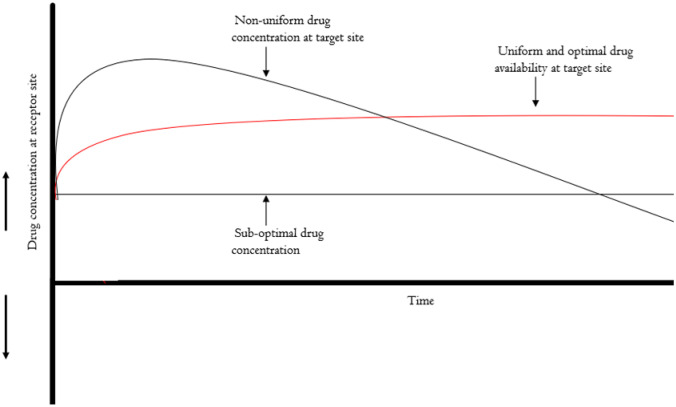
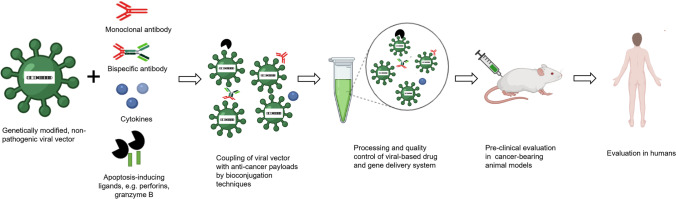
The burden of cancer is increasing globally. Several challenges facing its mainstream treatment approaches have formed the basis for the development of targeted delivery systems to carry and distribute anti-cancer payloads to their defined targets. This site-specific delivery of drug molecules and gene payloads to selectively target druggable biomarkers aimed at inducing cell death while sparing normal cells is the principal goal for cancer therapy. An important advantage of a delivery vector either viral or non-viral is the cumulative ability to penetrate the haphazardly arranged and immunosuppressive tumour microenvironment of solid tumours and or withstand antibody-mediated immune response. Biotechnological approaches incorporating rational protein engineering for the development of targeted delivery systems which may serve as vehicles for packaging and distribution of anti-cancer agents to selectively target and kill cancer cells are highly desired. Over the years, these chemically and genetically modified delivery systems have aimed at distribution and selective accumulation of drug molecules at receptor sites resulting in constant maintenance of high drug bioavailability for effective anti-tumour activity. In this review, we highlighted the state-of-the art viral and non-viral drug and gene delivery systems and those under developments focusing on cancer therapy.
Keywords: Cancer therapy; Cytotoxic payloads; Targeted drug delivery systems; Viruses.
© 2023. The Author(s).
Conflict of interest statement
The authors declare no competing interests.
Figures

References
-
- Ferlay J, Parkin DM, Colombet M, Soerjomataram I, Piñeros M, Znaor A, et al. Cancer statistics for the year 2020: an overview. Cancer Epidemiol. 2021;778–89 - PubMed
-
- Damyanov CA, Maslev IK, Pavlov VS. Conventional treatment of cancer realities and problems. Ann Complement Altern Med. 2018;1:1–9.
-
- Kim JM, Shin E, Ryou SM, Yeom JH, Lee K. Gene delivery platforms. Biotechnol. Bioprocess Eng. 2013;18:637–647.
Publication types
MeSH terms
Substances
Grants and funding
LinkOut - more resources
Full Text Sources
Medical
