


COVID-19 vaccination exacerbates ex vivo IL-6 release from isolated PBMCs
- PMID: 37308487
- PMCID: PMC10261110
- DOI: 10.1038/s41598-023-35731-2
COVID-19 vaccination exacerbates ex vivo IL-6 release from isolated PBMCs
Abstract
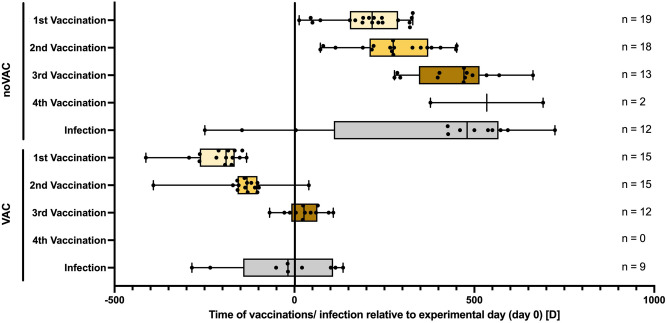
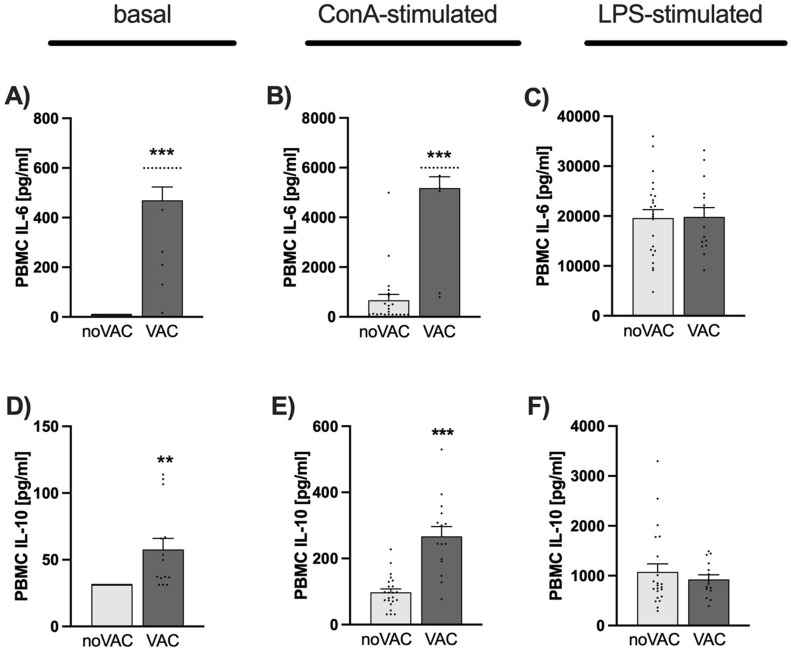
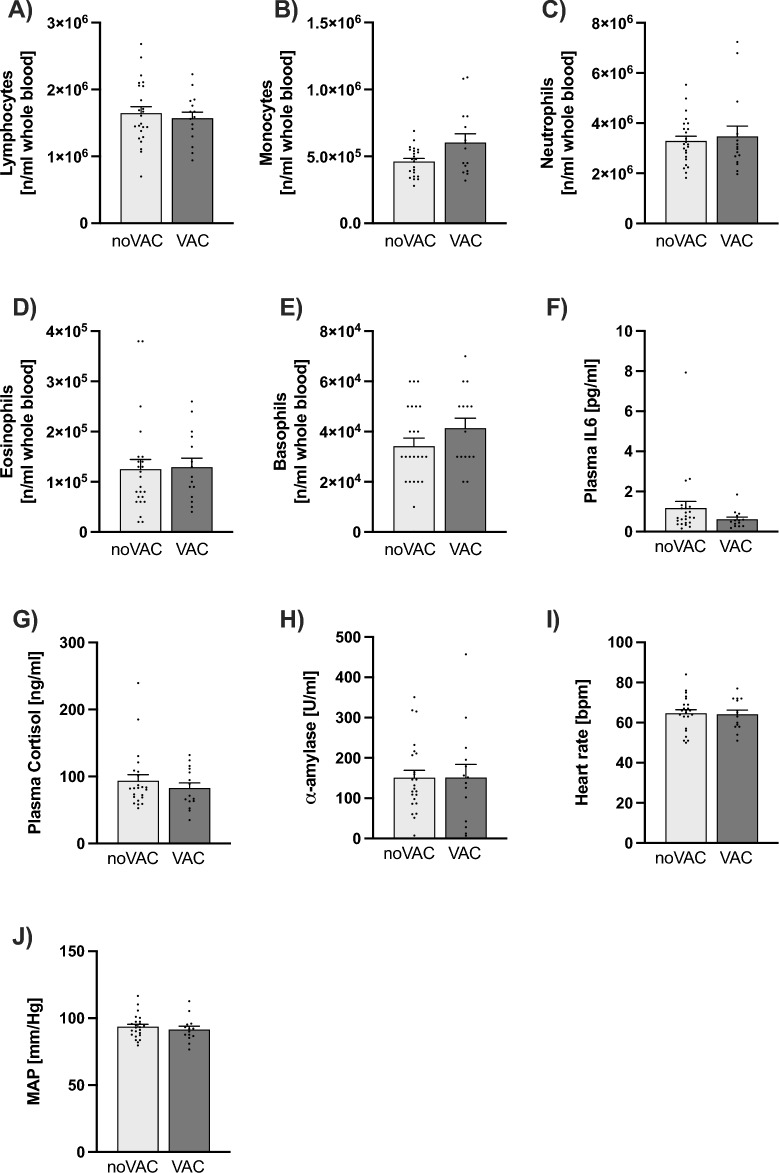
Ex vivo culturing of isolated PBMCs from individuals vaccinated with the coronavirus disease 2019 (COVID-19) vaccine BNT162b1 revealed a pronounced T cell response in the presence of the receptor binding domain (RBD) of the severe acute respiratory syndrome coronavirus 2 (SARS-CoV-2) spike protein. The latter was 10-fold more pronounced than the ex vivo response of PBMCs from the same individuals to other common pathogen T cell epitope pools, suggesting COVID-19 vaccination to induce RBD-specific T cell responses and not to facilitate T cell (re)activity in general. In the current study we investigated whether COVID-19 vaccination long-lastingly affects plasma interleukin (IL)-6 concentrations, complete blood counts, ex vivo IL-6 and IL-10 secretion of PBMCs cultured under basal conditions or in the presence of concanavalin (Con) A and lipopolysaccharide (LPS), salivary cortisol and α-amylase, mean arterial pressure (MAP), heart rate (HR) as well as mental and physical health status. The study was initially designed to investigate whether the presence vs. absence of own pets during urban upbringing has protective effects against psychosocial stress-induced immune activation during adulthood. However, as COVID-19 vaccines were approved while the study was ongoing and as, therefore, both vaccinated and non-vaccinated individuals have been recruited, we were able to stratify our data set with respect to the COVID-19 vaccination status and to assess the long-lasting effects of COVID-19 vaccination on physiological immunological, cardiovascular and psychosomatic health parameters. This data is presented in the current study. We show that isolated PBMCs from individuals vaccinated against COVID-19 show a ~ 600-fold increase in basal and a ~ 6000-fold increase in ConA-induced proinflammatory IL-6 secretion, and a ~ 2-fold increase in basal and ConA-induced antiinflammatory IL-10 secretion, both in comparison with non-vaccinated individuals. In contrast, LPS-induced ex vivo IL-6 and IL-10 secretions were not affected by vaccination status, as were plasma IL-6 concentrations, complete blood counts, salivary cortisol and α-amylase, cardiovascular measures and psychosomatic health. In summary, our findings are of relevance for many clinical studies ran before/during the pandemic, clearly indicating that consideration of participants' vaccination status is critical, at least when assessing ex vivo PBMC functionality.
© 2023. The Author(s).
Conflict of interest statement
The authors declare no competing interests.
Figures
References
Publication types
MeSH terms
Substances
LinkOut - more resources
Full Text Sources
Medical
Miscellaneous
