


Genetic polymorphisms of bone marrow stromal cell antigen-1 (BST-1/CD157): implications for immune/inflammatory dysfunction in neuropsychiatric disorders
- PMID: 37313401
- PMCID: PMC10258321
- DOI: 10.3389/fimmu.2023.1197265
Genetic polymorphisms of bone marrow stromal cell antigen-1 (BST-1/CD157): implications for immune/inflammatory dysfunction in neuropsychiatric disorders
Abstract
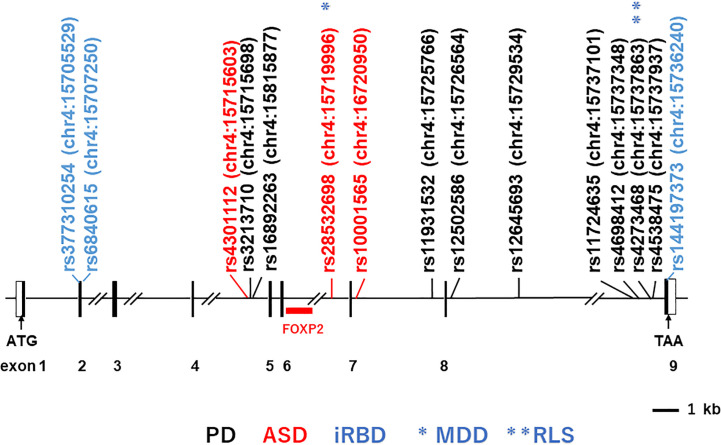
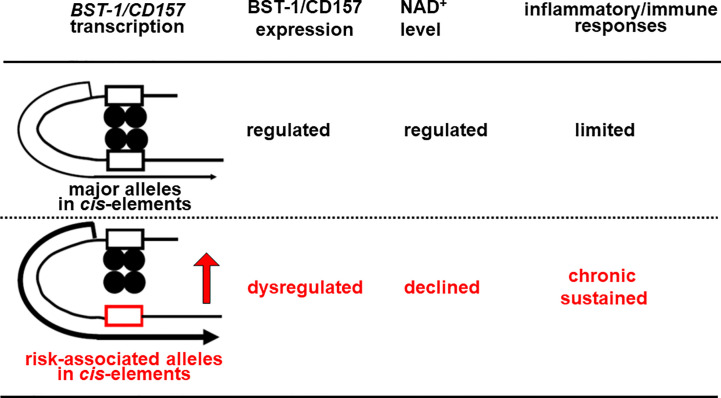
Bone marrow stromal cell antigen-1 (BST-1/CD157) is an immune/inflammatory regulator that functions as both nicotinamide adenine dinucleotide-metabolizing ectoenzyme and cell-surface signaling receptor. BST-1/CD157 is expressed not only in peripheral tissues, but in the central nervous system (CNS). Although its pathophysiological significance in the CNS is still unclear, clinical genetic studies over a decade have begun revealing relationships between BST-1/CD157 and neuropsychiatric diseases including Parkinson's disease, autism spectrum disorders, sleep disorders, depressive disorders and restless leg syndrome. This review summarizes the accumulating evidence for the involvement of BST-1/CD157 in these disorders.
Keywords: BST-1; CD157; Parkinson’s disease; anxiety; autism spectrum disorder; neuroimmune dysfunction; single-nucleotide polymorphism.
Copyright © 2023 Yokoyama.
Conflict of interest statement
The author declares that the research was conducted in the absence of any commercial or financial relationships that could be construed as a potential conflict of interest.
Figures
References
Publication types
MeSH terms
LinkOut - more resources
Full Text Sources
Medical
Molecular Biology Databases
