


Cartilage regeneration and inflammation modulation in knee osteoarthritis following injection of allogeneic adipose-derived mesenchymal stromal cells: a phase II, triple-blinded, placebo controlled, randomized trial
- PMID: 37316949
- PMCID: PMC10268462
- DOI: 10.1186/s13287-023-03359-8
Cartilage regeneration and inflammation modulation in knee osteoarthritis following injection of allogeneic adipose-derived mesenchymal stromal cells: a phase II, triple-blinded, placebo controlled, randomized trial
Abstract
Background: Intra-articular injection of mesenchymal stromal cells (MSCs) with immunomodulatory features and their paracrine secretion of regenerative factors proposed a noninvasive therapeutic modality for cartilage regeneration in knee osteoarthritis (KOA).
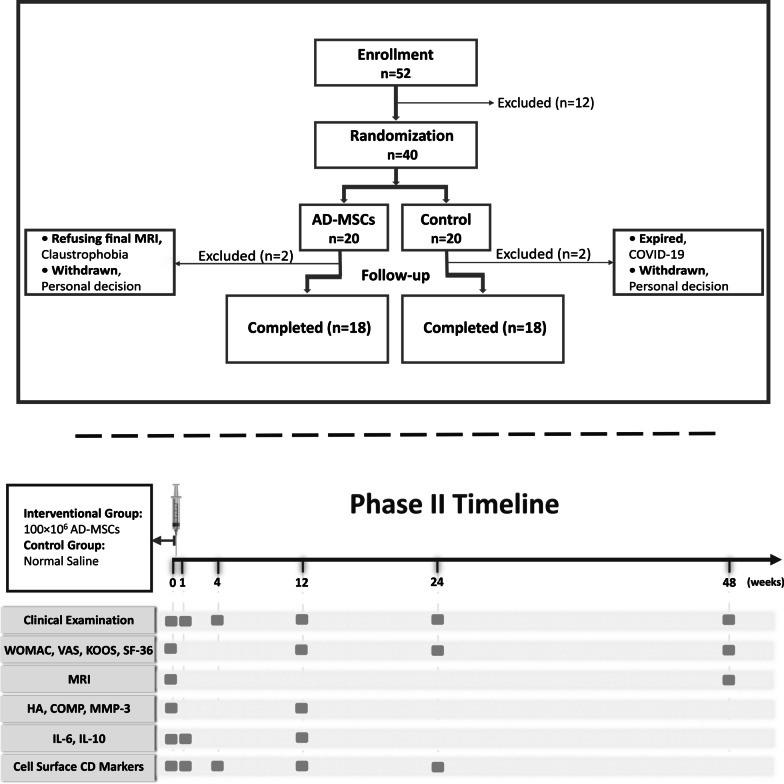
Methods: Total number of 40 patients with KOA enrolled in two groups. Twenty patients received intra-articular injection of 100 × 106 allogeneic adipose-derived mesenchymal stromal cells (AD-MSCs), and 20 patients as control group received placebo (normal saline). Questionnaire-based measurements, certain serum biomarkers, and some cell surface markers were evaluated for 1 year. Magnetic resonance imaging (MRI) before and 1 year after injection was performed to measure possible changes in the articular cartilage.
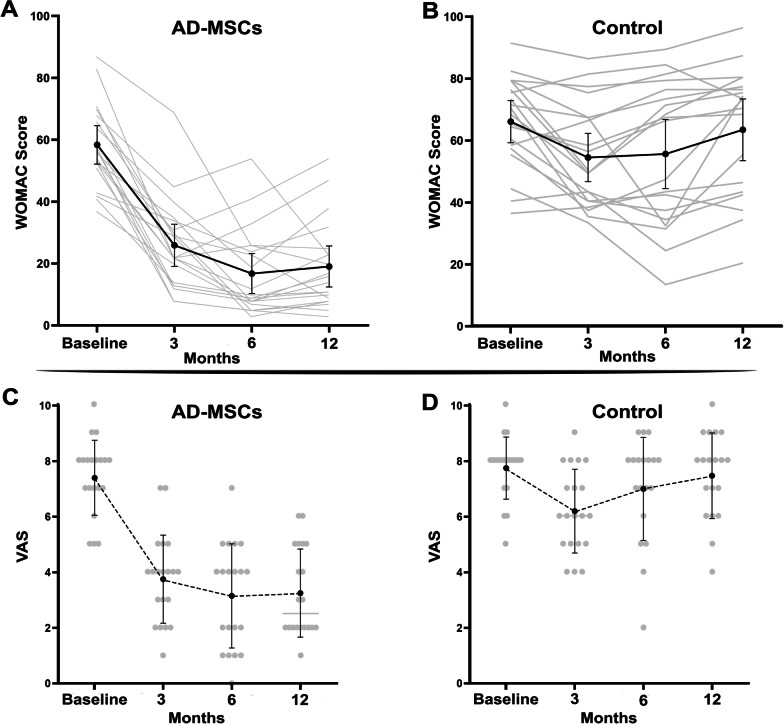
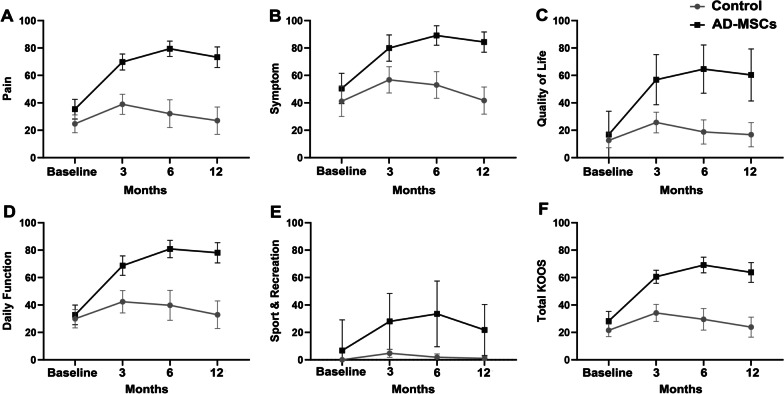
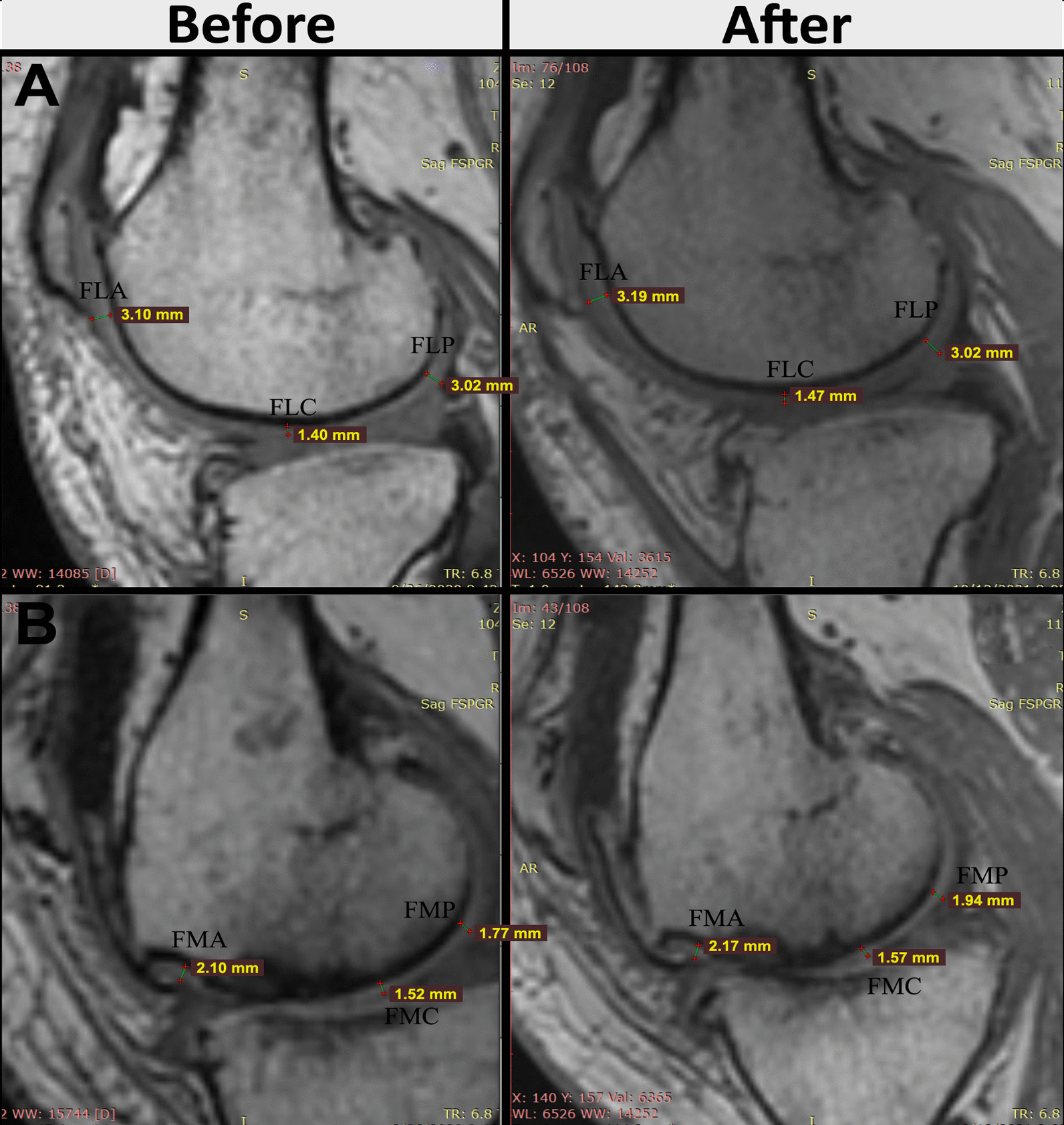
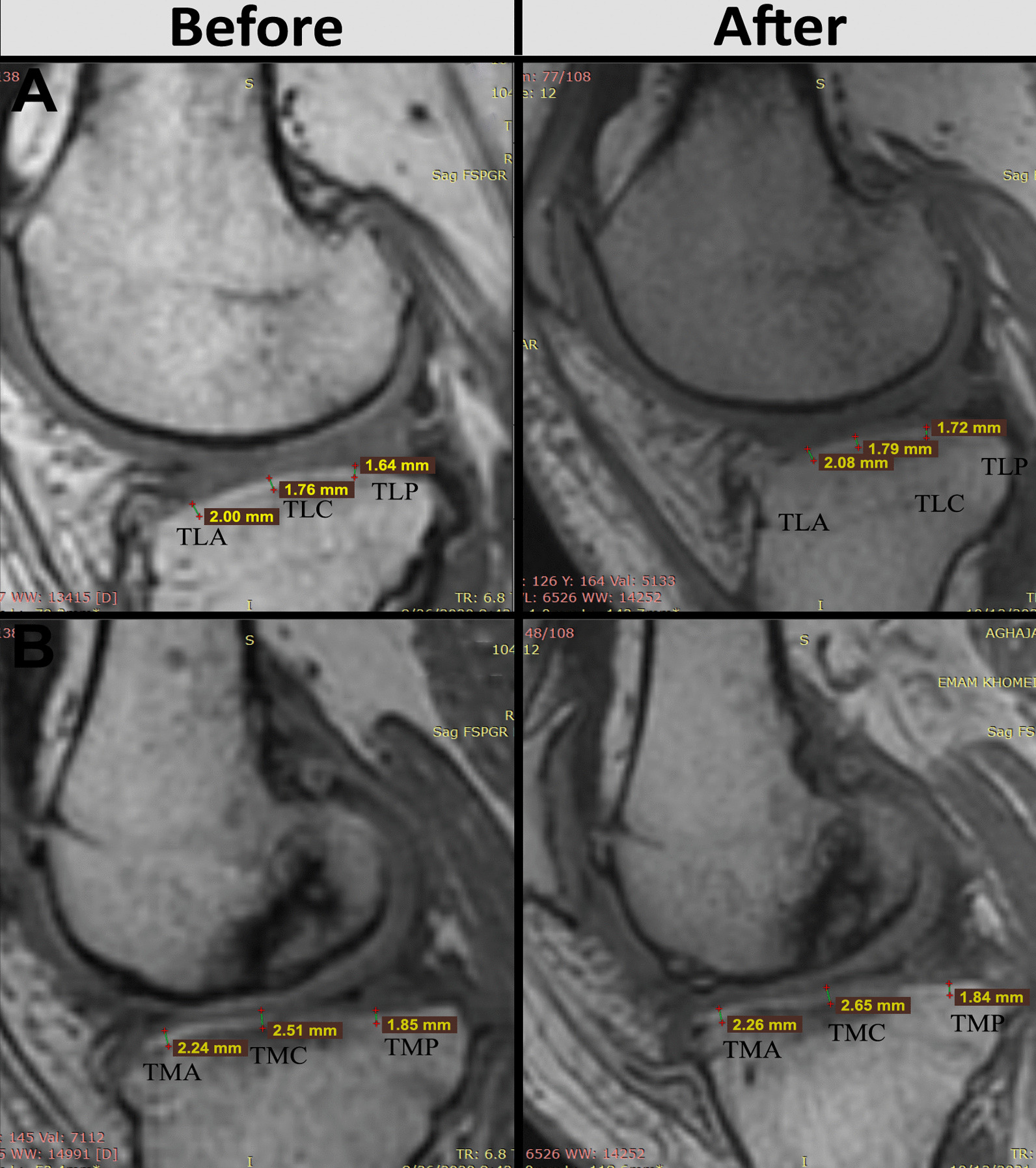
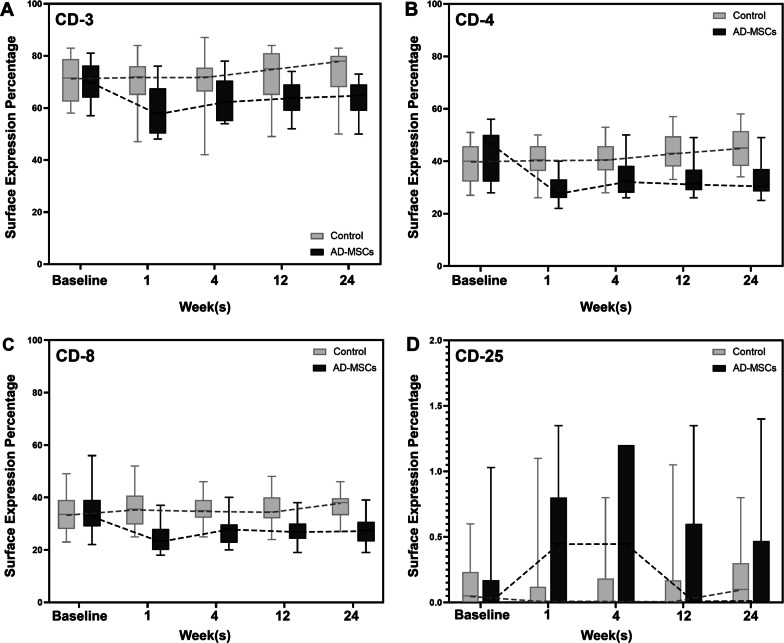
Results: Forty patients allocated including 4 men (10%) and 36 women (90%) with average age of 56.1 ± 7.2 years in control group and 52.8 ± 7.5 years in AD-MSCs group. Four patients (two patients from AD-MSCs group and two patients from the control group) excluded during the study. Clinical outcome measures showed improvement in AD-MSCs group. Hyaluronic acid and cartilage oligomeric matrix protein levels in blood serum decreased significantly in patients who received AD-MSCs (P < 0.05). Although IL-10 level significantly increased after 1 week (P < 0.05), the serum level of inflammatory markers dramatically decreased after 3 months (P < 0.001). Expressions of CD3, CD4, and CD8 have a decreasing trend during 6-month follow-up (P < 0.05), (P < 0.001), and (P < 0.001), respectively. However, the number of CD25+ cells increased remarkably in the treatment group 3 months after intervention (P < 0.005). MRI findings showed a slight increase in the thickness of tibial and femoral articular cartilages in AD-MSCs group. The changes were significant in the medial posterior and medial anterior areas of the tibia with P < 0.01 and P < 0.05, respectively.
Conclusion: Inter-articular injection of AD-MSCs in patients with KOA is safe. Laboratory data, MRI findings, and clinical examination of patients at different time points showed notable articular cartilage regeneration and significant improvement in the treatment group.
Trial registration: Iranian registry of clinical trials (IRCT, https://en.irct.ir/trial/46 ), IRCT20080728001031N23. Registered 24 April 2018.
Keywords: Cartilage regeneration; Cell-based therapy; Knee osteoarthritis; Liquid biomarkers; Mesenchymal stromal cells; Regenerative medicine.
© 2023. The Author(s).
Conflict of interest statement
MV is the regulatory affairs manager at the cell production facility. He has no share in the company nor any financial benefit in this study. The other authors declare that they have no competing interests.
Figures



References
-
- Wilson R, Abbott JH. The projected burden of knee osteoarthritis in New Zealand: healthcare expenditure and total joint replacement provision. N Z Med J. 2019;132(1503):53–65. - PubMed
Publication types
MeSH terms
LinkOut - more resources
Full Text Sources
Research Materials
Miscellaneous
