


Vitamin B12 produced by Cetobacterium somerae improves host resistance against pathogen infection through strengthening the interactions within gut microbiota
- PMID: 37322528
- PMCID: PMC10268390
- DOI: 10.1186/s40168-023-01574-2
Vitamin B12 produced by Cetobacterium somerae improves host resistance against pathogen infection through strengthening the interactions within gut microbiota
Abstract
Background: Pathogen infections seriously affect host health, and the use of antibiotics increases the risk of the emergence of drug-resistant bacteria and also increases environmental and health safety risks. Probiotics have received much attention for their excellent ability to prevent pathogen infections. Particularly, explaining mechanism of action of probiotics against pathogen infections is important for more efficient and rational use of probiotics and the maintenance of host health.
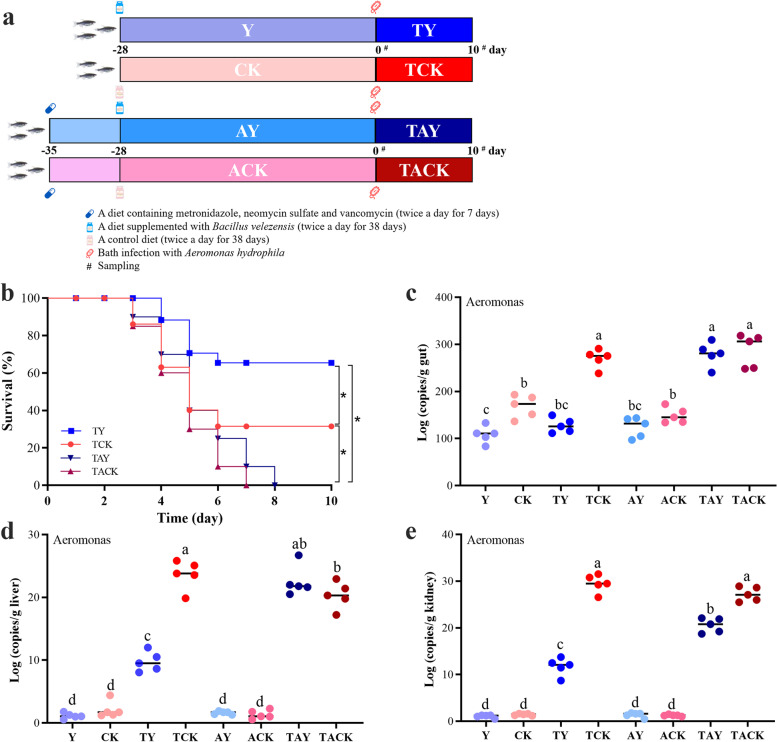
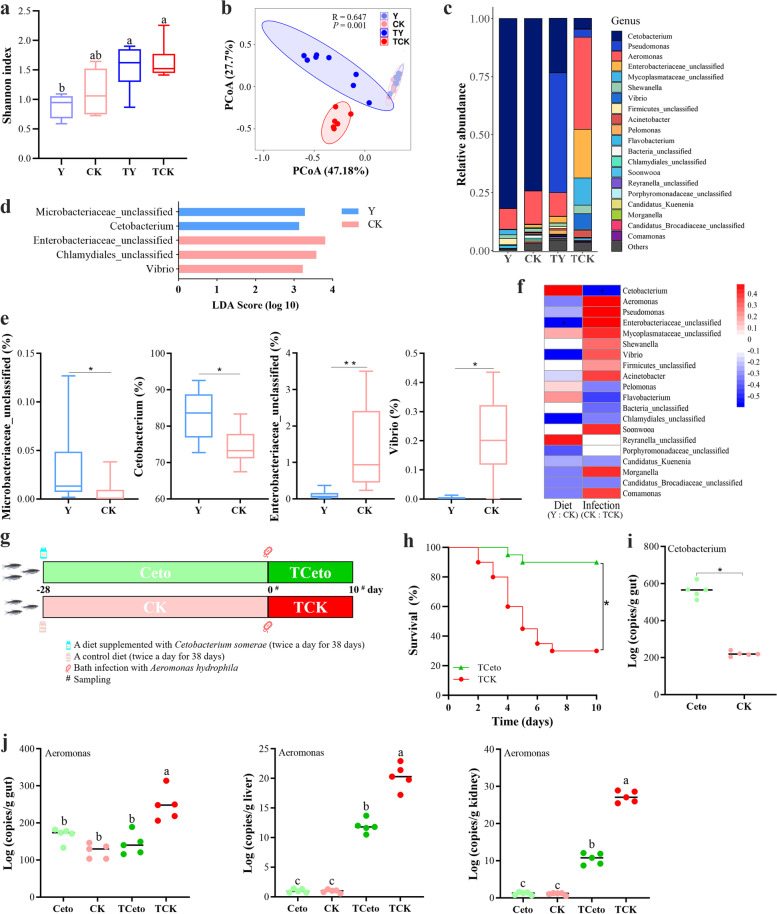
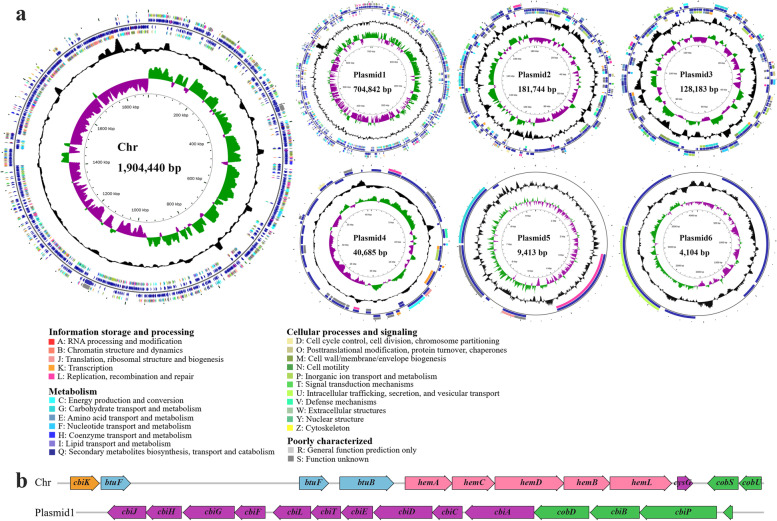
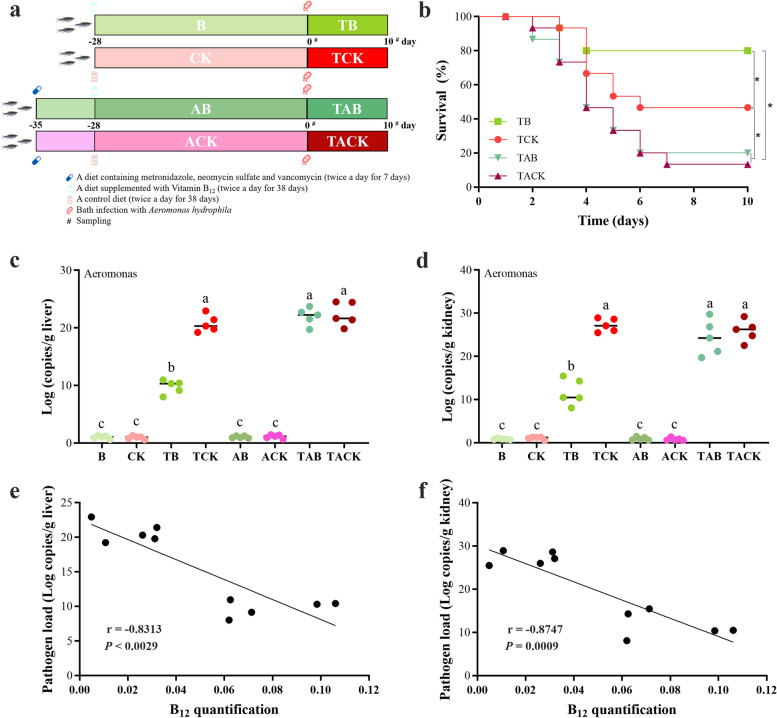
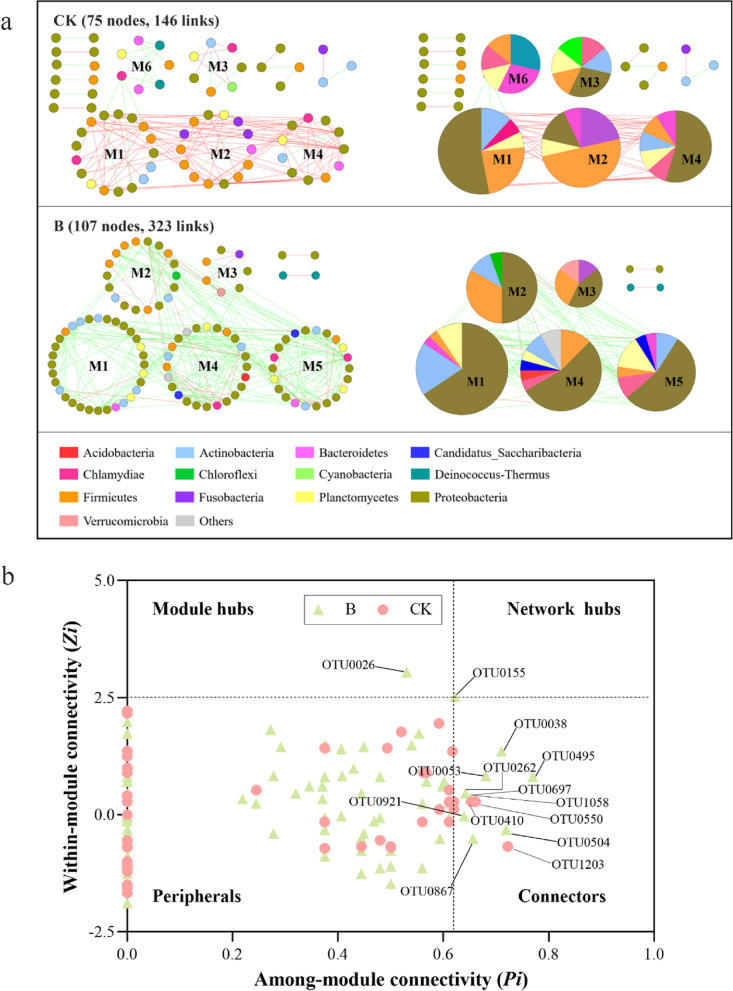
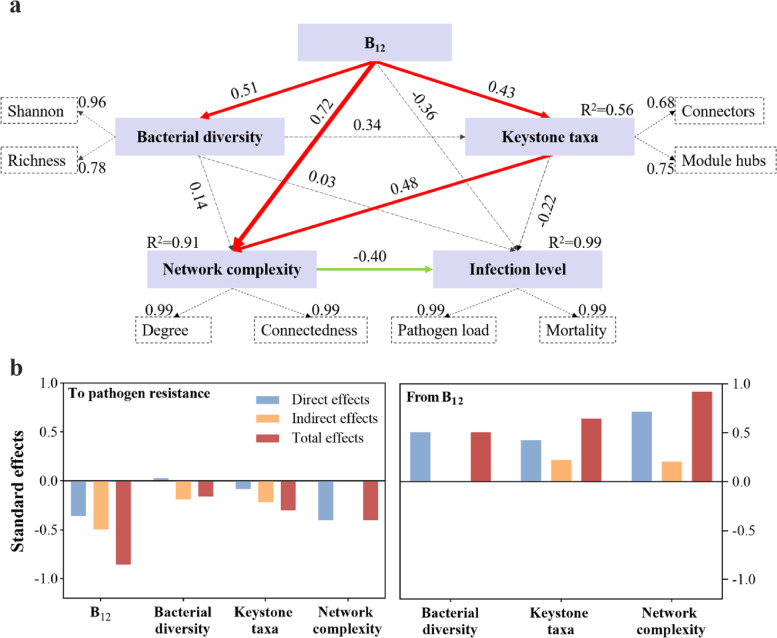
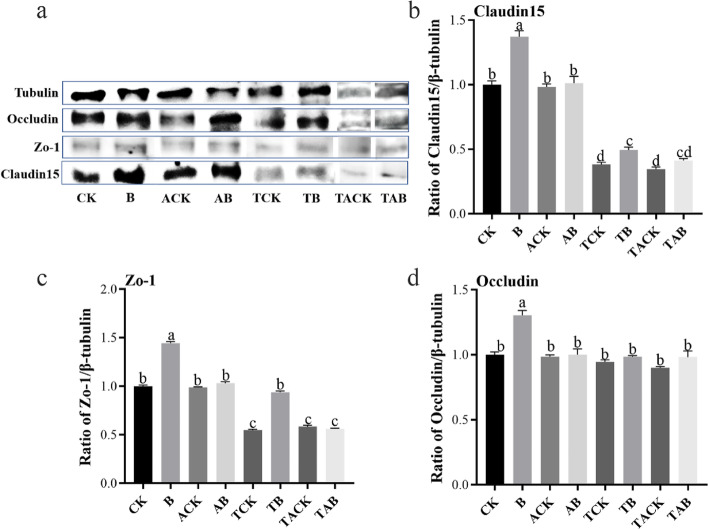
Results: Here, we describe the impacts of probiotic on host resistance to pathogen infections. Our findings revealed that (I) the protective effect of oral supplementation with B. velezensis against Aeromonas hydrophila infection was dependent on gut microbiota, specially the anaerobic indigenous gut microbe Cetobacterium; (II) Cetobacterium was a sensor of health, especially for fish infected with pathogenic bacteria; (III) the genome resolved the ability of Cetobacterium somerae CS2105-BJ to synthesize vitamin B12 de novo, while in vivo and in vitro metabolism assays also showed the ability of Cetobacterium somerae CS2105-BJ to produce vitamin B12; (IV) the addition of vitamin B12 significantly altered the gut redox status and the gut microbiome structure and function, and then improved the stability of the gut microbial ecological network, and enhanced the gut barrier tight junctions to prevent the pathogen infection.
Conclusion: Collectively, this study found that the effect of probiotics in enhancing host resistance to pathogen infections depended on function of B12 produced by an anaerobic indigenous gut microbe, Cetobacterium. Furthermore, as a gut microbial regulator, B12 exhibited the ability to strengthen the interactions within gut microbiota and gut barrier tight junctions, thereby improving host resistance against pathogen infection. Video Abstract.
Keywords: Cetobacterium; Co-occurrence network; Gut microbiome; Pathogen resistance; Probiotics; Vitamin B12.
© 2023. The Author(s).
Conflict of interest statement
The authors declare no competing interests.
Figures


References
-
- Hill C, Guarner F, Reid G, Gibson GR, Merenstein DJ, Pot B, et al. Expert consensus document: The International Scientific Association for Probiotics and Prebiotics consensus statement on the scope and appropriate use of the term probiotic. Nat Rev Gastroenterol Hepatol. 2014;11(8):506–14. doi: 10.1038/nrgastro.2014.66. - DOI - PubMed
-
- Maldonado-Gómez MX, Martínez I, Bottacini F, O’Callaghan A, Ventura M, van Sinderen D, et al. Stable engraftment of Bifidobacterium longum AH1206 in the human gut depends on individualized features of the resident microbiome. Cell Host Microbe. 2016;20(4):515–526. doi: 10.1016/j.chom.2016.09.001. - DOI - PubMed
Publication types
MeSH terms
Substances
Supplementary concepts
LinkOut - more resources
Full Text Sources
