


The Validity and Efficacy of a Preventative Intervention Model for Reducing Ulcer Recurrence in Diabetic Patients in Indonesia
- PMID: 37334064
- PMCID: PMC10272669
- DOI: 10.1177/23779608231179549
The Validity and Efficacy of a Preventative Intervention Model for Reducing Ulcer Recurrence in Diabetic Patients in Indonesia
Abstract
Introduction: It is important to reduce foot problems by preventing the recurrence of ulcers in diabetes mellitus (DM) patients. In Indonesia, interventions for the prevention of ulcer recurrence remain scarce.
Objective: The present study aimed to evaluate the validity and efficacy of a proposed intervention model for preventing the recurrence of ulcers in DM patients.
Method: Sixty-four DM patients were selected to participate in this quasi-experimental study and divided into two groups: intervention (n = 32) and control (n = 32). The intervention group received preventive treatment while the control group received standard care. Two trained nurses supported this study.
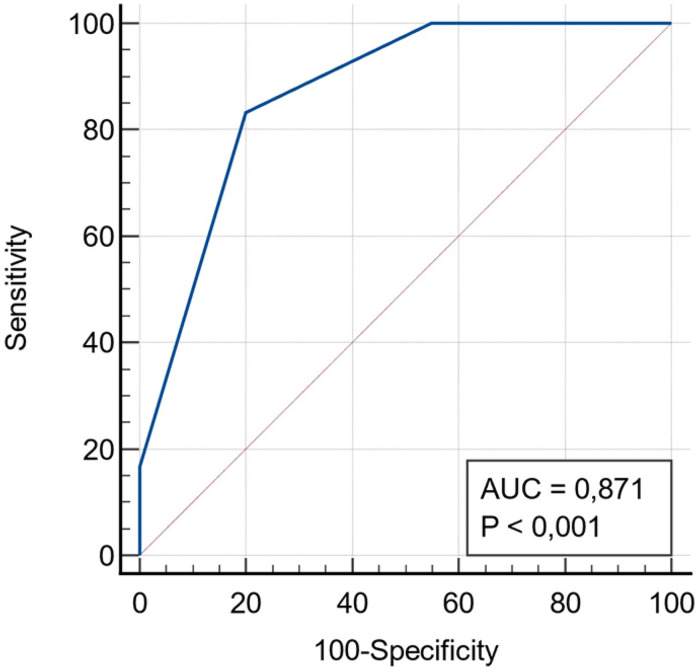
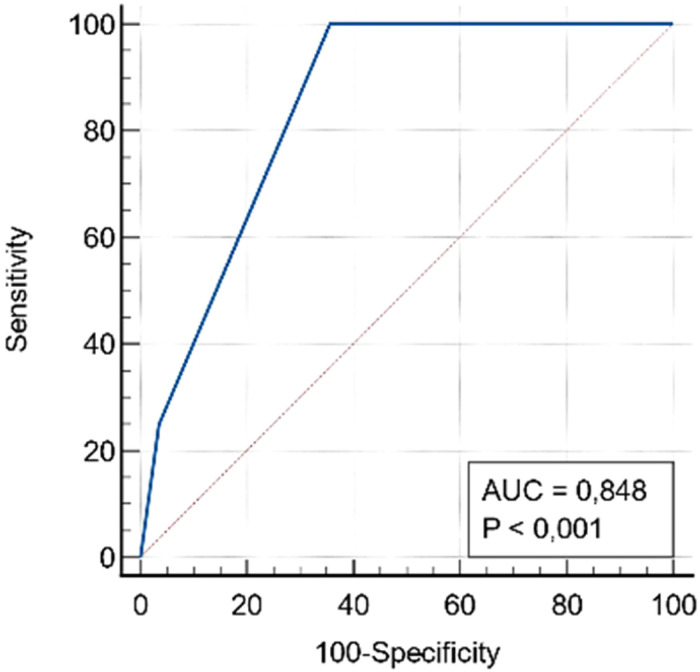
Results: Of the 32 participants in the intervention group, 18 (56.20%) were male, 25 (78.10%) were non-smokers, 23 (71.90%) had neuropathy, 14 (43.80%) had foot deformities, four (12.50%) had recurring ulcers, and 20 (62.50%) had a previous ulcer < 12 months ago. Of the 32 participants in the control group, 17 (53.10%) were male, 26 (81.25%) were non-smokers, 17 (46.90%) had neuropathy, 19 (69.40%) had foot deformities, 12 (37.50%) had recurring ulcers, and 24 (75.00%) had a previous ulcer < 12 months ago. The mean (SD) age [62 (11.28) and 59 (11.11) years], ankle-brachial index [1.19 (0.24) and 1.11 (0.17)], HbA1C [9.18 (2.14%) and 8.91 (2.75%)], and DM duration [10.22 (6.71) and 10.13 (7.54)] of the intervention and control groups did not differ significantly. The content validity of the proposed intervention model was strong (I-CVI > 0.78). When the proposed screening tool for predicting the risk of ulcer recurrence in DM patients (NASFoHSkin) was used in the intervention group, its predictive validity, sensitivity, and specificity were 4, 100%, and 80%, respectively, while in the control group it was 4, 83%, and 80%, respectively.
Conclusion: Inspection/examination, foot care, and blood glucose control can decrease ulcer recurrence in DM patients.
Keywords: diabetic; foot ulcer; prevention; recurrence.
© The Author(s) 2023.
Conflict of interest statement
The authors declared no potential conflicts of interest with respect to the research, authorship, and/or publication of this article.
Figures
References
-
- Ata H., Obaid A., Eljedi A. (2015). Risk factors for the development of diabetic foot ulcers in Gaza strip: A case-control study. Age, 4(1), 1–6. 10.5923/j.diabetes.20150401.01 - DOI
-
- Bus S. A., Stegge W. B. D., Baal J. G. V., Busch T. E., Nollet F., Netten J. J. V. (2021). Effectiveness of at-home skin temperature monitoring in reducing the incidence of foot ulcer recurrence in people with diabetes: A multicenter randomized controlled trial (DIATEMP). BMJ Open Diabetes Research & Care, 9(1), 1–11. 10.1136/bmjdrc-2021-002392 - DOI - PMC - PubMed
LinkOut - more resources
Full Text Sources