


Probiotic modulation of gut microbiota by Bacillus coagulans MTCC 5856 in healthy subjects: A randomized, double-blind, placebo-control study
- PMID: 37335737
- PMCID: PMC10194586
- DOI: 10.1097/MD.0000000000033751
Probiotic modulation of gut microbiota by Bacillus coagulans MTCC 5856 in healthy subjects: A randomized, double-blind, placebo-control study
Abstract
Background: Probiotics are known to rebalance the gut microbiota in dysbiotic individuals, but their impact on the gut microbiome of healthy individuals is seldom studied. The current study is designed to assess the impact and safety of Bacillus coagulans (Weizmannia coagulans) microbial type culture collection 5856 (LactoSpore®) supplementation on microbiota composition in healthy Indian adults.
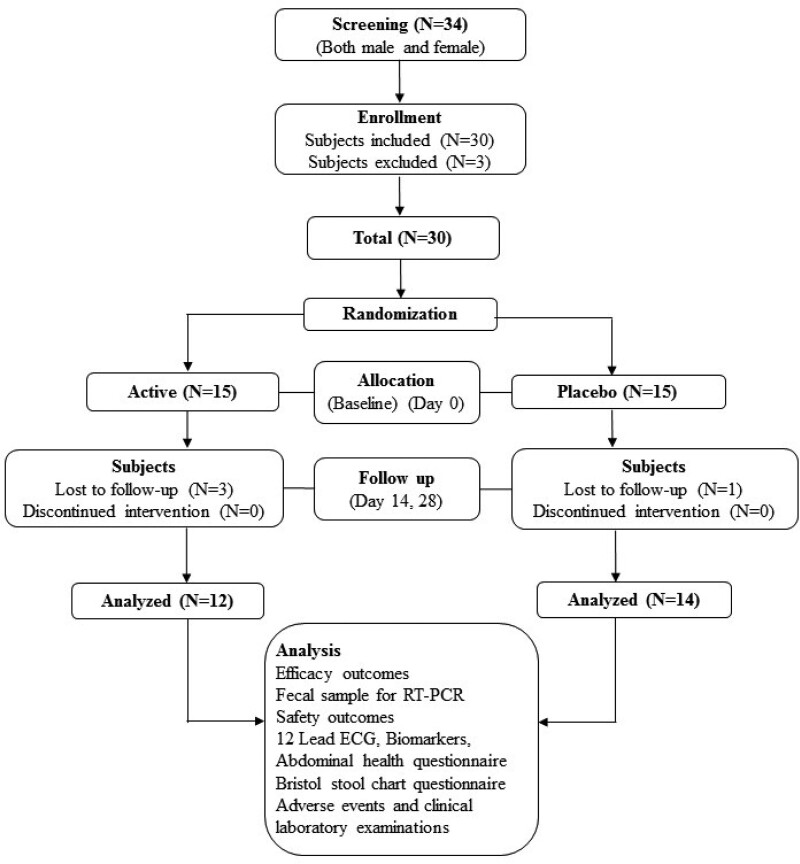
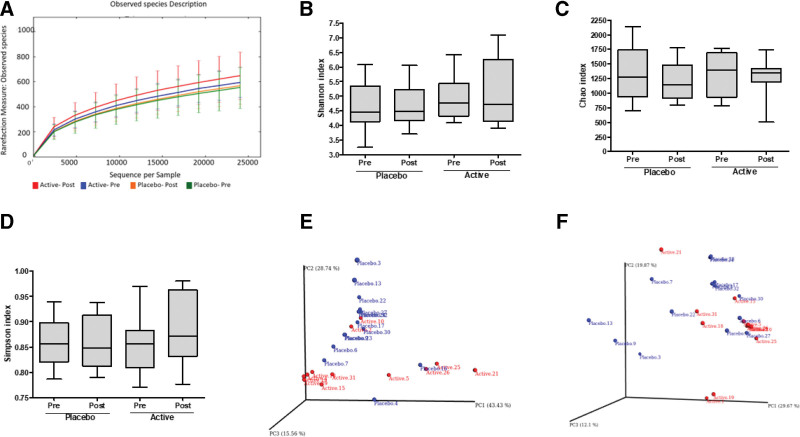
Methods: The study participants (N = 30) received either LactoSpore (2 billion colony-forming units/capsule) or placebo for 28 days. The general and digestive health were assessed through questionnaires and safety by monitoring adverse events. Taxonomic profiling of the fecal samples was carried out by 16S rRNA amplicon sequencing using the Illumina MiSeq platform. The bacterial persistence was enumerated by quantitative reverse transcription-polymerase chain reaction.
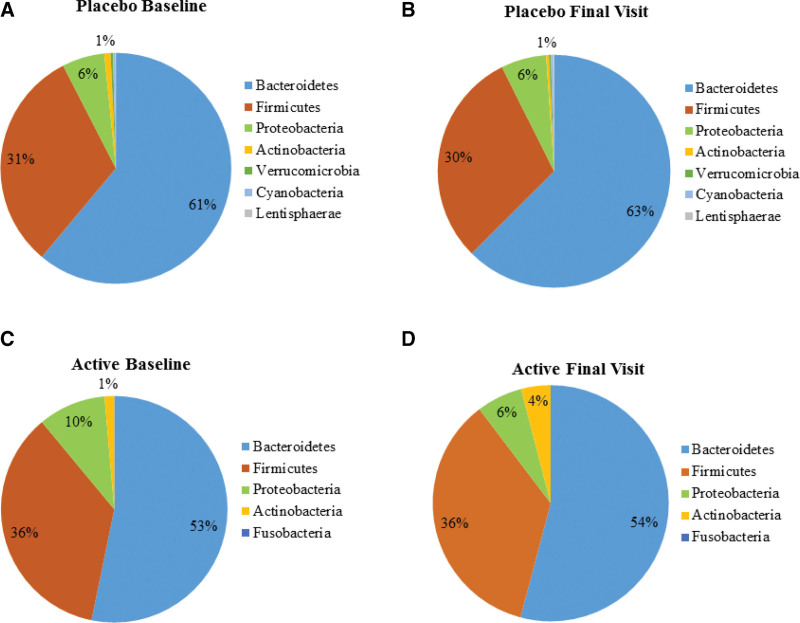
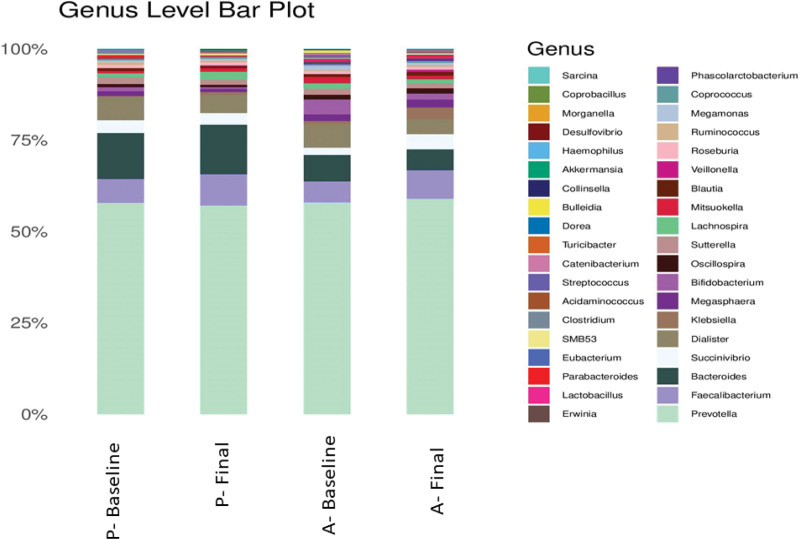
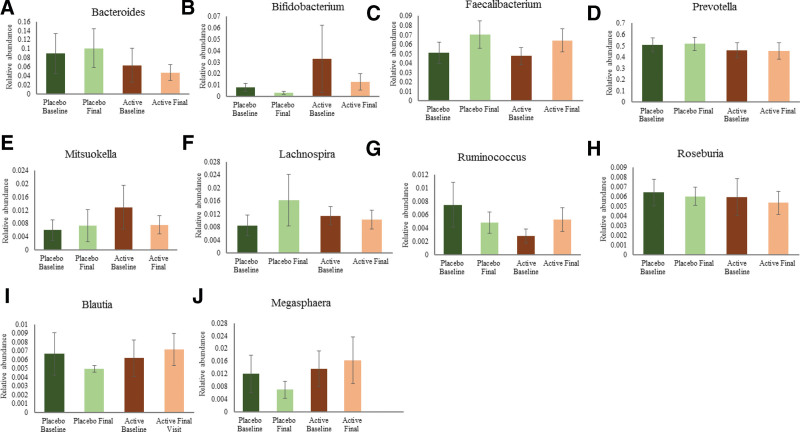
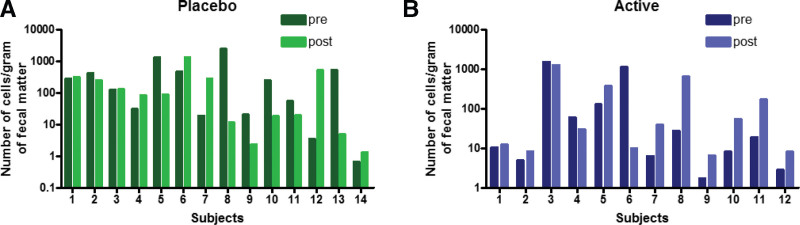
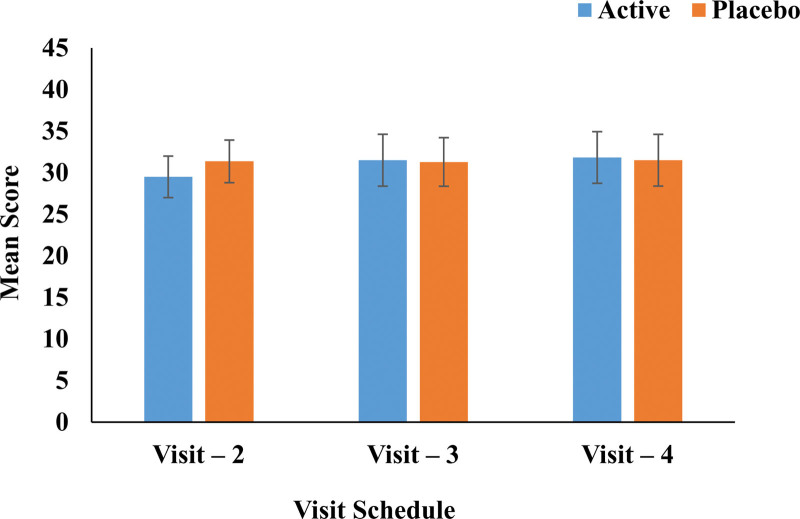
Results: Gut health, general health, and blood biochemical parameters remained normal in all the participants. No adverse events were reported during the study. Metataxonomic analysis revealed minimal changes to the gut microbiome of otherwise healthy subjects and balance of Bacteroidetes and Firmicutes was maintained by LactoSpore. The relative abundance of beneficial bacteria like Prevotella, Faecalibacterium, Blautia, Megasphaera, and Ruminococcus showed an increase in probiotic-supplemented individuals. The quantitative polymerase chain reaction analysis revealed highly variable numbers of B. coagulans in feces before and after the study.
Conclusion: The present study results suggest that LactoSpore is safe for consumption and does not alter the gut microbiome of healthy individuals. Minor changes in a few bacterial species may have a beneficial outcome in healthy individuals. The results reiterate the safety of B. coagulans microbial type culture collection 5856 as a dietary supplement and provide a rationale to explore its effect on gut microbiome composition in individuals with dysbiosis.
Copyright © 2023 the Author(s). Published by Wolters Kluwer Health, Inc.
Conflict of interest statement
The authors MM, KN, SP, LM, and SA are affiliated with Sami-Sabinsa Group Limited or Sabinsa Corporation. The remaining authors have no conflicts of interest to disclose.
Figures
References
-
- FAO/WHO. Report of a joint FAO/WHO expert consultation on evaluation of health and nutritional properties of probiotics in food including powder milk with live lactic acid bacteria. London, Ontario, Canada: World Health Organization and Food and Agriculture Organization of the United Nations. 2001.
Publication types
MeSH terms
Substances
LinkOut - more resources
Full Text Sources
