Barriers to and facilitators of populational adherence to prevention and control measures of COVID-19 and other respiratory infectious diseases: a qualitative evidence synthesis
- PMID: 37343960
- PMCID: PMC10282824
- DOI: 10.1183/16000617.0238-2022
Barriers to and facilitators of populational adherence to prevention and control measures of COVID-19 and other respiratory infectious diseases: a qualitative evidence synthesis
Abstract
Aims: To summarise the evidence on barriers to and facilitators of population adherence to prevention and control measures for coronavirus disease 2019 (COVID-19) and other respiratory infectious diseases.
Methods: A qualitative synthesis was performed according to the Preferred Reporting Items for Systematic Reviews and Meta-Analysis and the Cochrane Effective Practice and Organization of Care: Qualitative Evidence Synthesis. We performed an electronic search on MEDLINE, Embase and PsycINFO from their inception to March 2023.
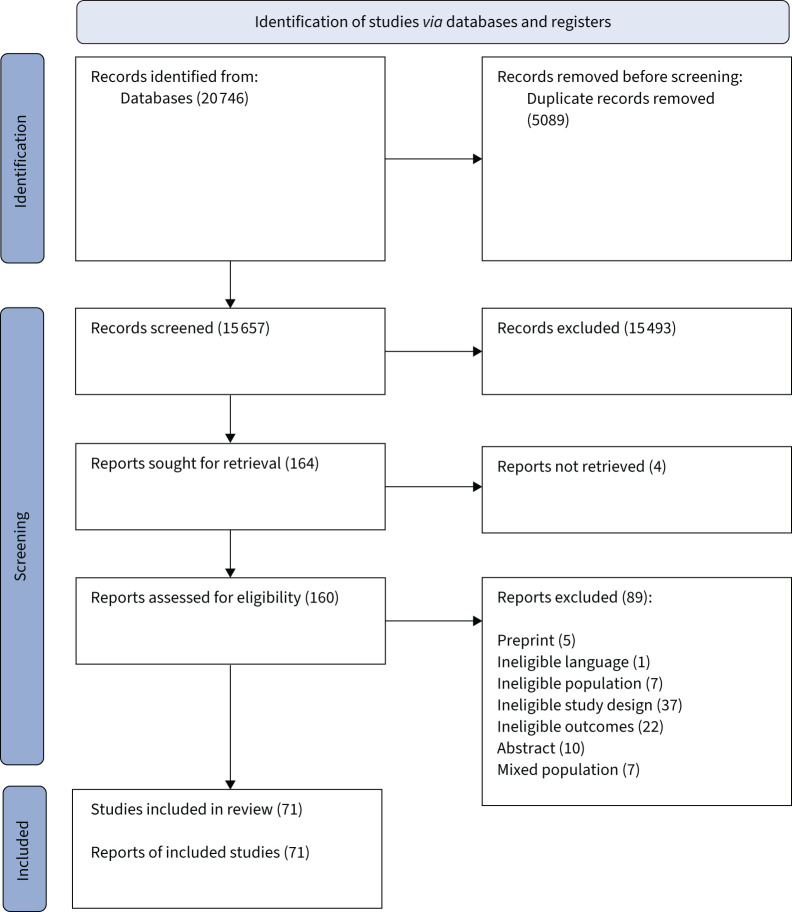
Results: We included 71 studies regarding COVID-19, pneumonia, tuberculosis, influenza, pertussis and H1N1, representing 5966 participants. The measures reported were vaccinations, physical distancing, stay-at-home policy, quarantine, self-isolation, facemasks, hand hygiene, contact investigation, lockdown, infection prevention and control guidelines, and treatment. Tuberculosis-related measures were access to care, diagnosis and treatment completion. Analysis of the included studies yielded 37 barriers and 23 facilitators.
Conclusions: This review suggests that financial and social support, assertive communication, trust in political authorities and greater regulation of social media enhance adherence to prevention and control measures for COVID-19 and infectious respiratory diseases. Designing and implementing effective educational public health interventions targeting the findings of barriers and facilitators highlighted in this review are key to reducing the impact of infectious respiratory diseases at the population level.
Copyright ©The authors 2023.
Conflict of interest statement
Conflicts of interest: The authors declare no conflict of interest.
Figures
References
-
- Cento JV, Barbaliscia S, Perno CF. Biotech innovations in the prevention of respiratory infectious diseases. New Microbiol 2017; 40: 155–160. - PubMed
Publication types
MeSH terms
LinkOut - more resources
Full Text Sources
Medical