


The development of laying hen locomotion in 3D space is affected by early environmental complexity and genetic strain
- PMID: 37344513
- PMCID: PMC10284819
- DOI: 10.1038/s41598-023-35956-1
The development of laying hen locomotion in 3D space is affected by early environmental complexity and genetic strain
Abstract
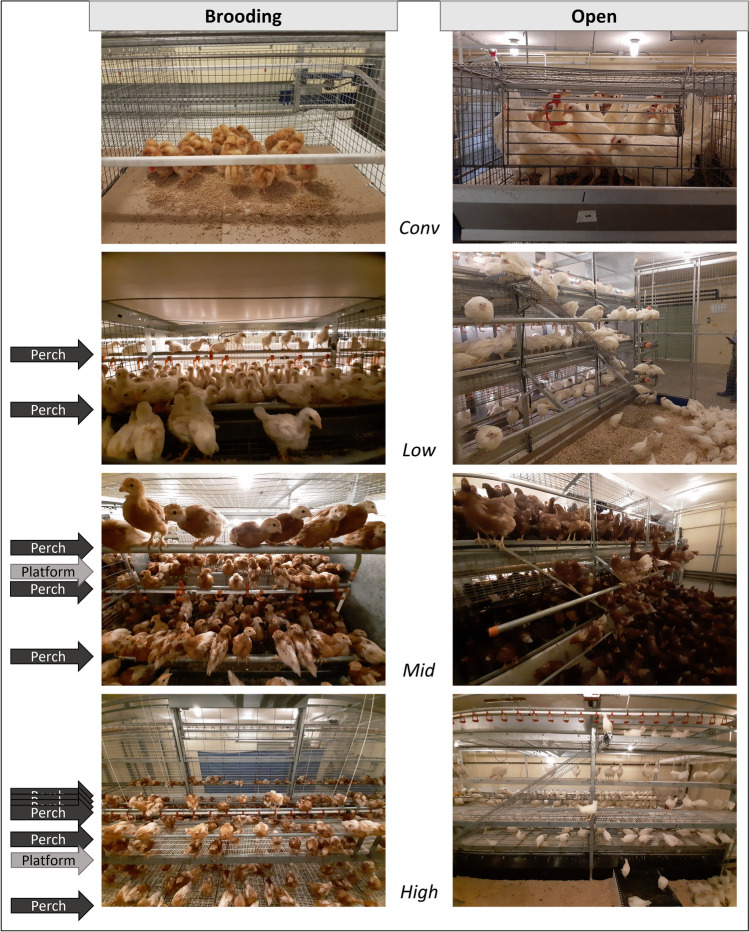
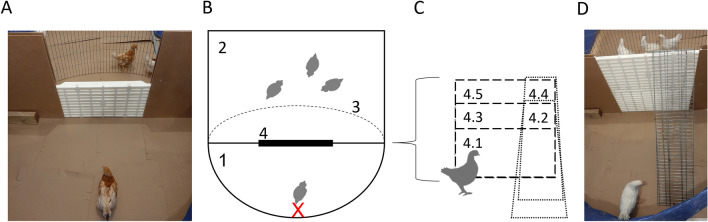
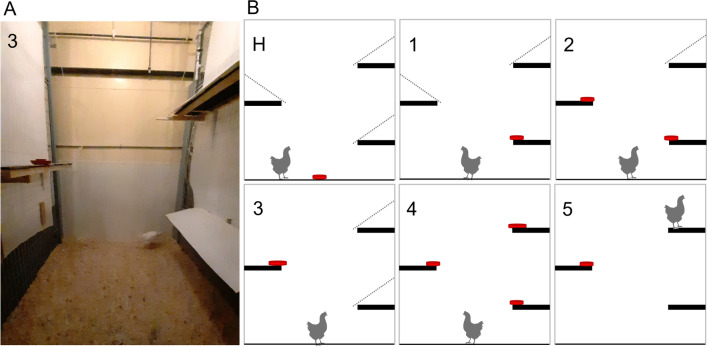
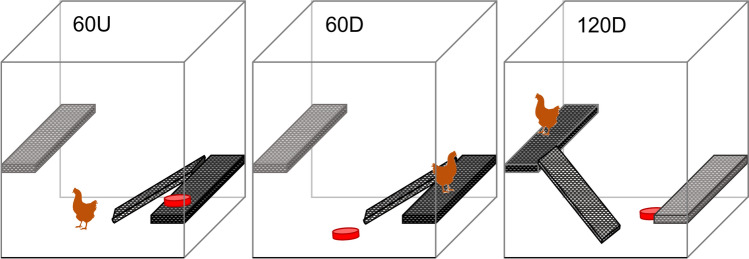
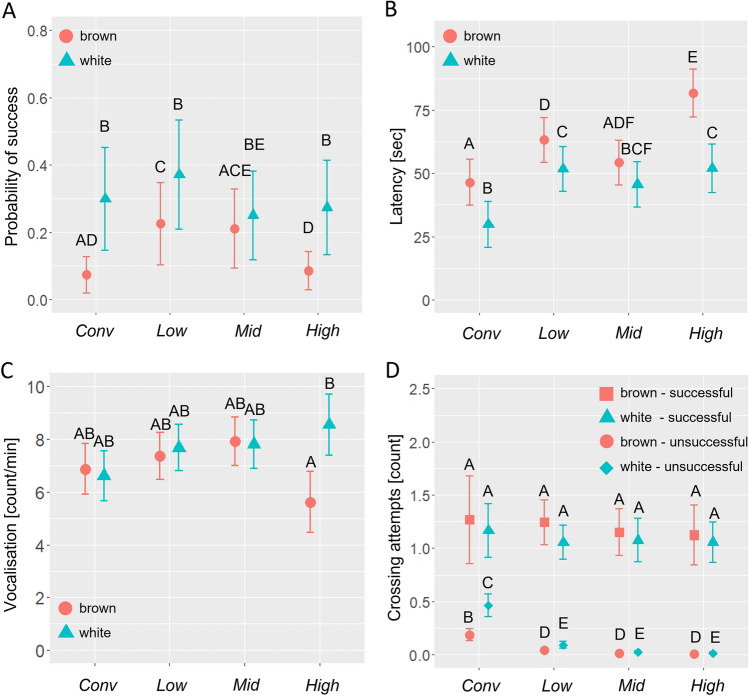
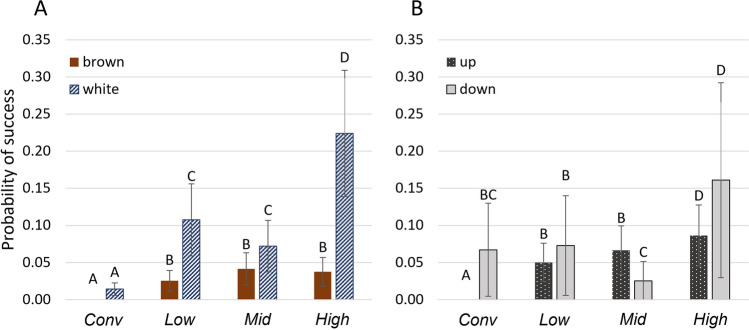
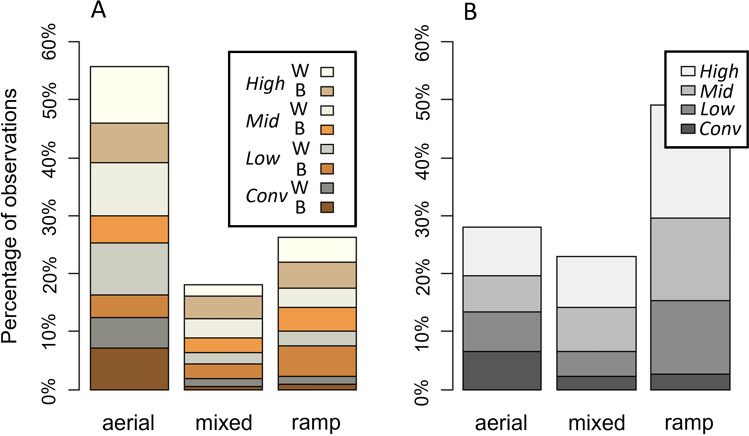
Adult laying hens are increasingly housed in spatially complex systems, e.g., non-cage aviaries, where locomotion between elevated structures can be challenging for these gallinaceous birds. This study assessed the effect of early environmental complexity on spatial skills in two genetic strains. Brown (B) and white (W) feathered birds were raised in: Conventional cages with minimal complexity (Conv) or rearing aviaries with low (Low), intermediate (Mid), or high complexity (High). Birds from each housing treatment were challenged at three different time points in three different, age-appropriate vertical spatial tasks. Whites performed better than brown birds in all tests regardless of rearing environment. In chicks, test performance was predominantly explained by variation between replicates and differences in motivation for test participation. Treatment effects were seen in pubertal birds (pullets), with pullets from aviaries performing better than those from Conv. White High pullets performed better than white Mid or Low, an effect that was not found in browns. Pullets preferred to use a ramp to move downwards, but only when ramps had previously been experienced and when the ramp was not too steep. Overall, early environmental complexity affected spatial skills of laying hen pullets with stronger effects in white than brown feathered birds.
© 2023. The Author(s).
Conflict of interest statement
The authors declare no competing interests.
Figures
References
-
- Weeks CA, Nicol CJ. Behavioural needs, priorities and preferences of laying hens. Worlds Poult. Sci. J. 2006;62:296–307. doi: 10.1079/WPS200598. - DOI
-
- Rodenburg TB, et al. Welfare assessment of laying hens in furnished cages and non-cage systems: Assimilating expert opinion. Anim. Welf. 2008;17:355–361. doi: 10.1017/S0962728600027858. - DOI
-
- Harlander-Matauschek A, Rodenburg TB, Sandilands V, Tobalske BW, Toscano MJ. Causes of keel bone damage and their solutions in laying hens. Worlds Poult. Sci. J. 2015;71:461–472. doi: 10.1017/S0043933915002135. - DOI
Publication types
MeSH terms
LinkOut - more resources
Full Text Sources
