


Antibacterial nanocomposite of chitosan/silver nanocrystals/graphene oxide (ChAgG) development for its potential use in bioactive wound dressings
- PMID: 37353546
- PMCID: PMC10290094
- DOI: 10.1038/s41598-023-29015-y
Antibacterial nanocomposite of chitosan/silver nanocrystals/graphene oxide (ChAgG) development for its potential use in bioactive wound dressings
Abstract
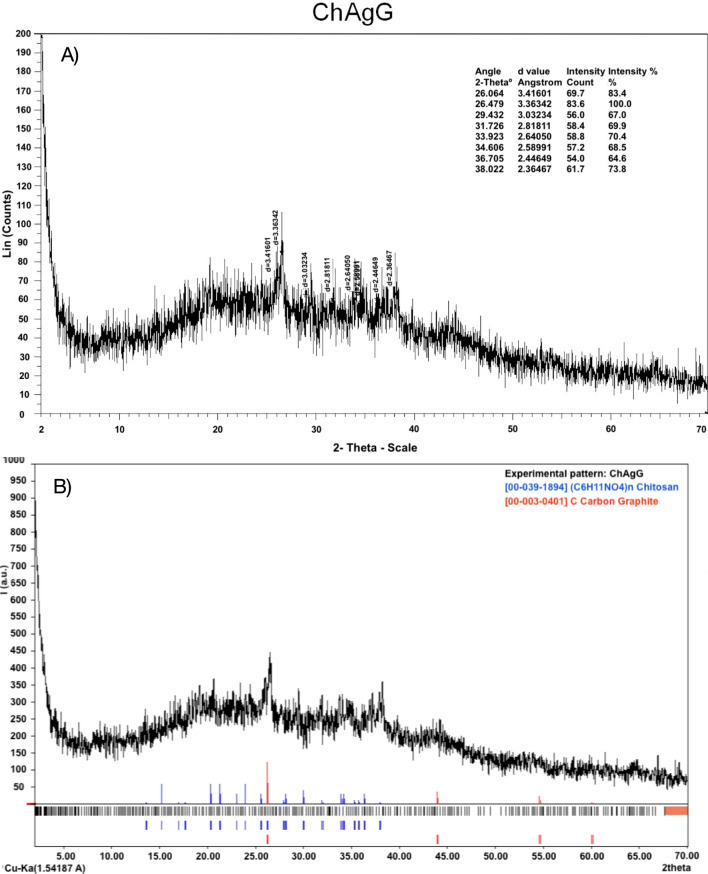
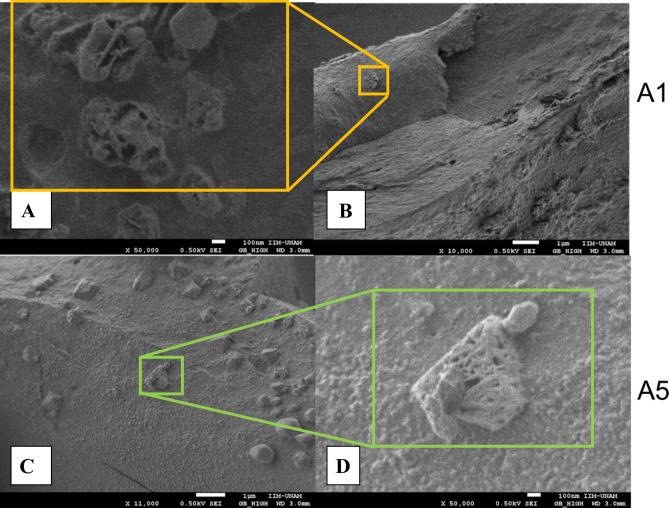
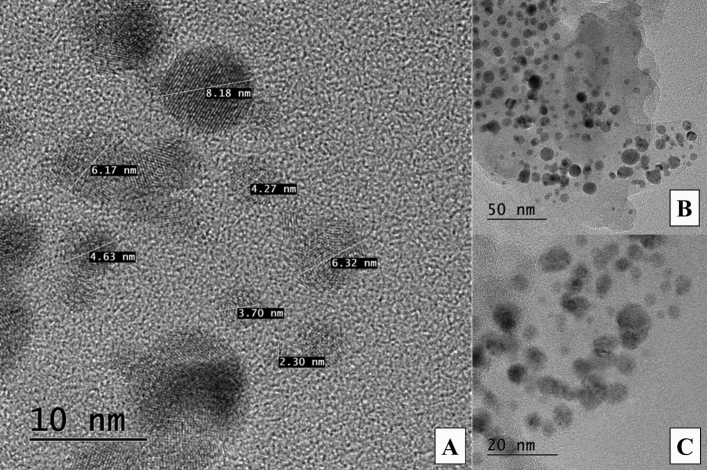
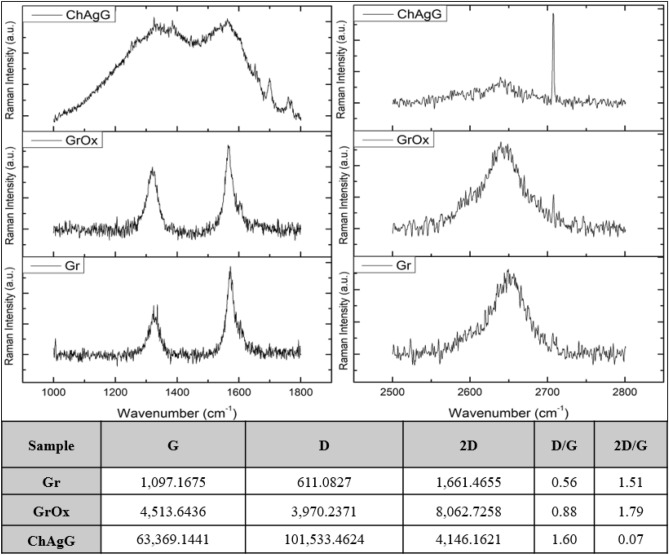
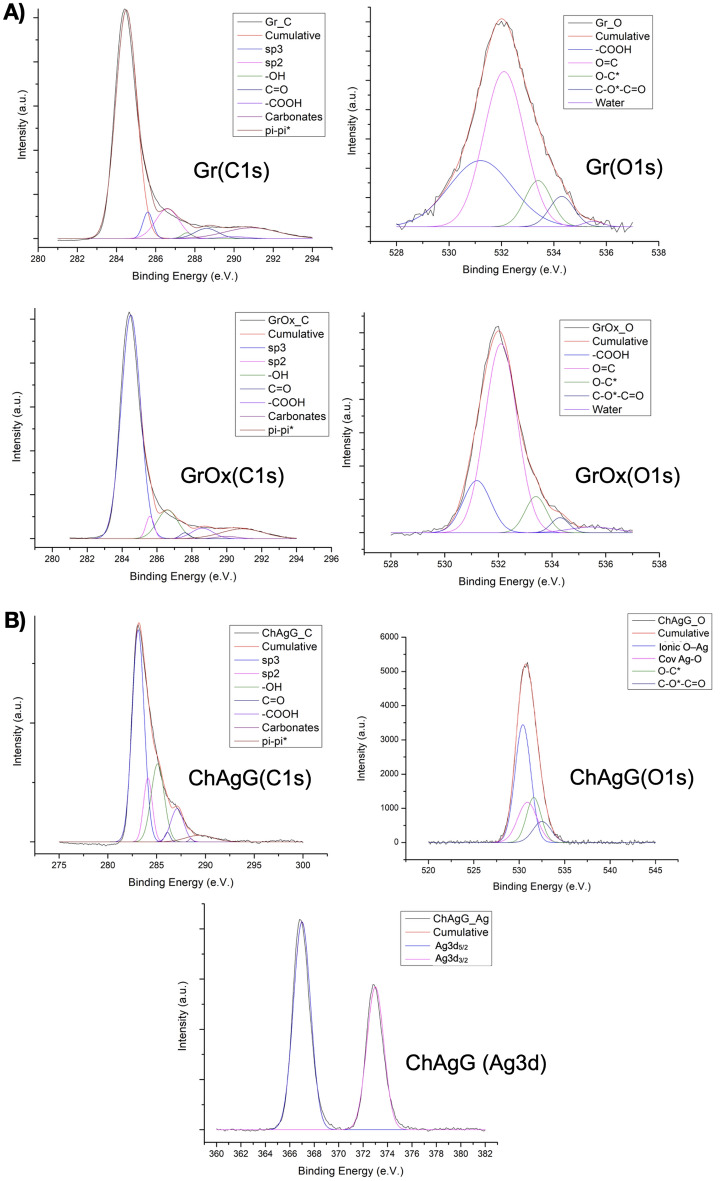
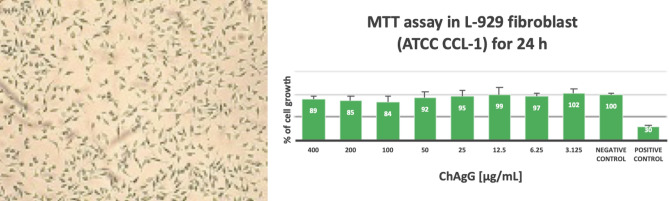
An adequate wound dressing reduces time of healing, provides cost-effective care, thereby improving patients' quality life. An antimicrobial bioactivity is always desired, for that reason, the objective of this work is to design an antimicrobial nanocomposite of chitosan/silver nanocrystals/graphene oxide (ChAgG). ChAgG nanostructured composite material is composed of chitosan from corn (Ch), and silver nanocrystals from garlic (Allium sativum). The nanocomposite obtained is the result of a series of experiments combining the graphene oxide (GrOx) with two members of the Amaryllidaceae family; garlic and onion (Allium cebae), which contain different sulfur materials. The characterization arrays confirmed the successful production of silver crystal, graphene oxidation and the blending of both components. The role of the chitosan as a binder between graphene and silver nanocrystals is proved. Moreover, the study discusses garlic as an optimal source that permits the synthesis of silver nanocrystals (AgNCs) (⁓ 2 to 10 nm) with better thermal and crystallinity properties. It was also confirmed the successful production of the ChAgG nanocomposite. Escherichia coli and Staphylococcus aureus were used to demonstrate the antibacterial bioactivity and L-929 fibroblast cells were utilized to visualize their biocompatibility. The proposed ChAgG nanomaterial will be useful for functionalizing specific fiber network that represents current challenging research in the fabrication of bioactive wound dressings.
© 2023. The Author(s).
Conflict of interest statement
The authors declare no competing interests.
Figures
References
Publication types
MeSH terms
Substances
LinkOut - more resources
Full Text Sources
Molecular Biology Databases
