


Early Cretaceous lepidosaur (sphenodontian?) burrows
- PMID: 37353642
- PMCID: PMC10290101
- DOI: 10.1038/s41598-023-37385-6
Early Cretaceous lepidosaur (sphenodontian?) burrows
Abstract
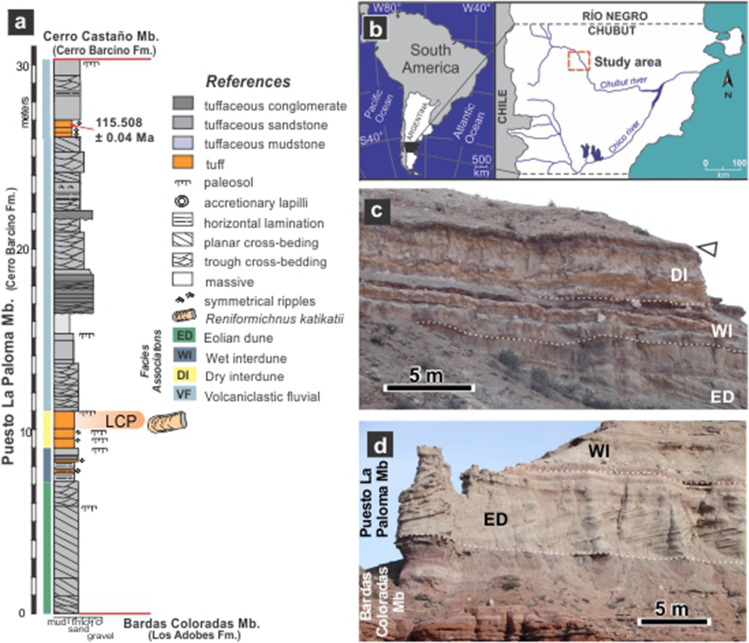
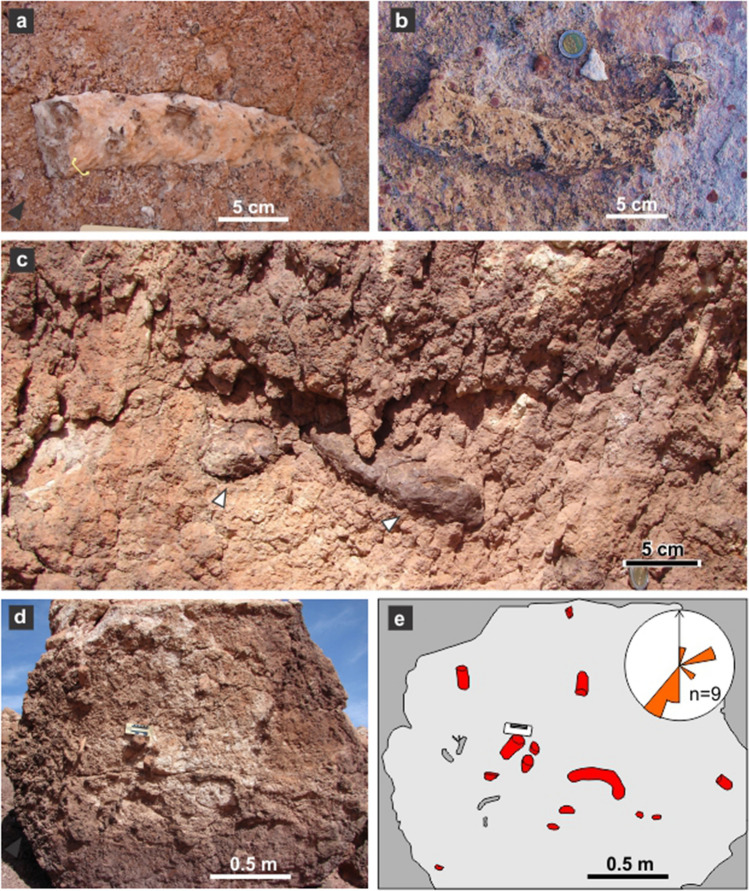
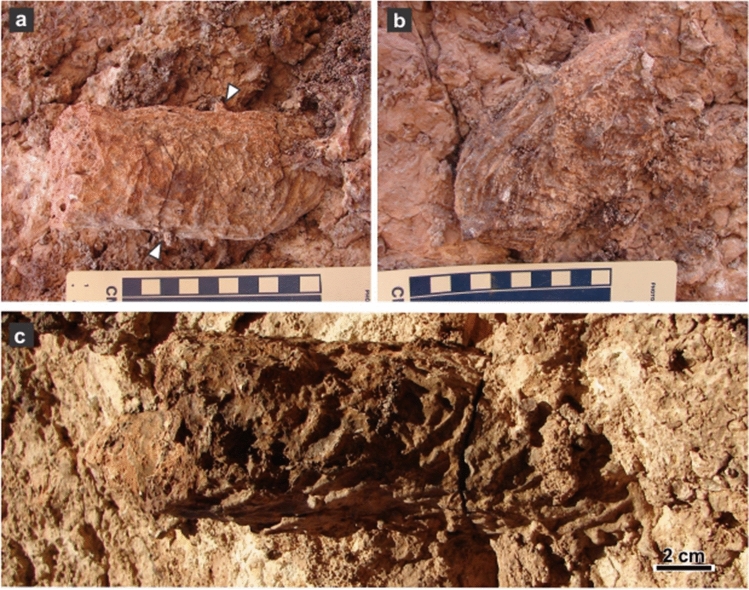
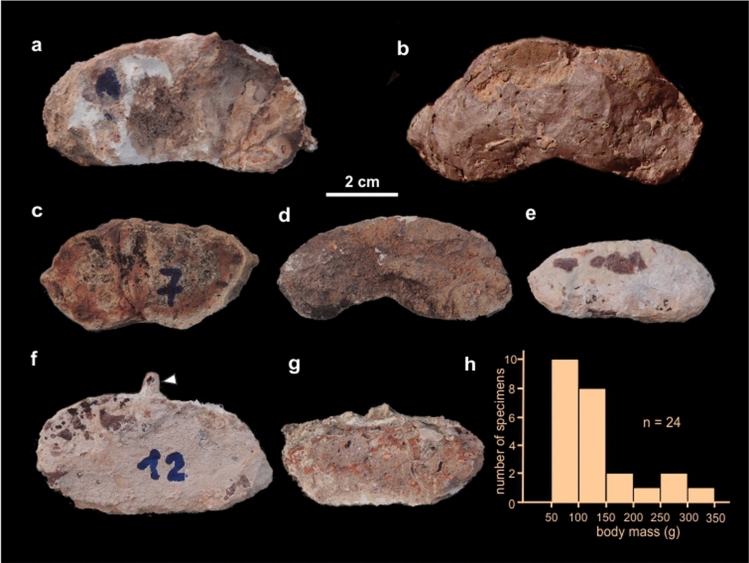
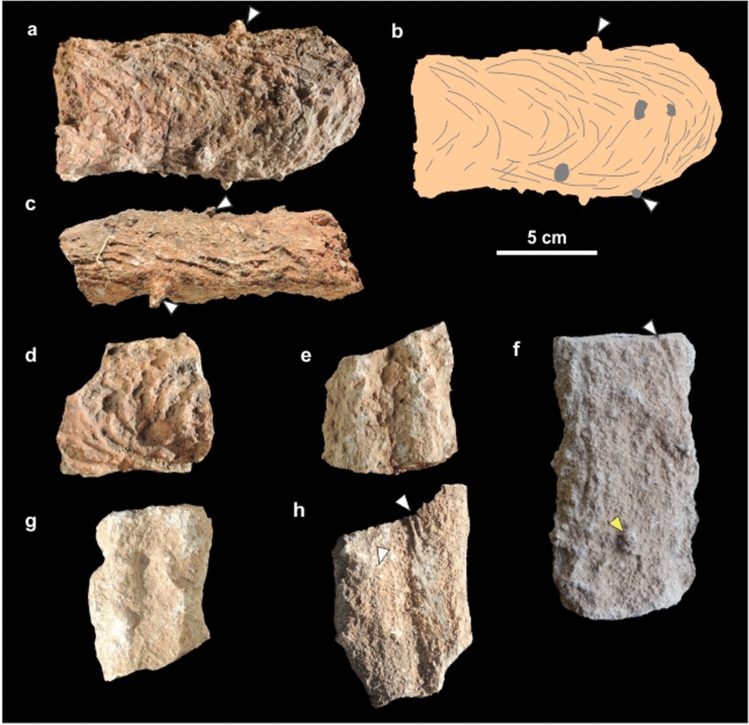
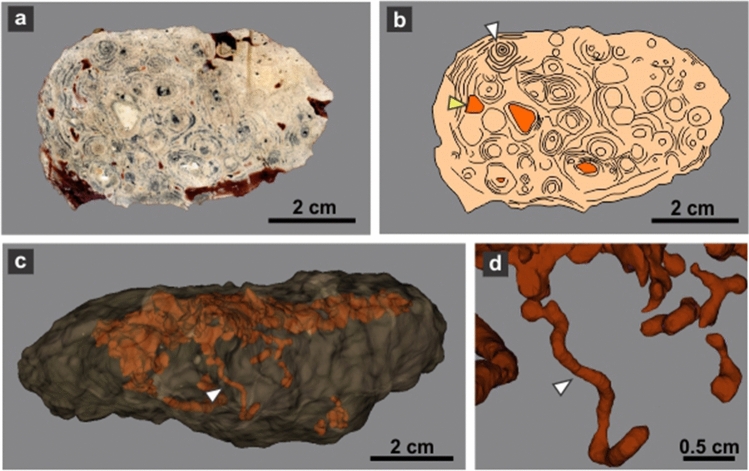
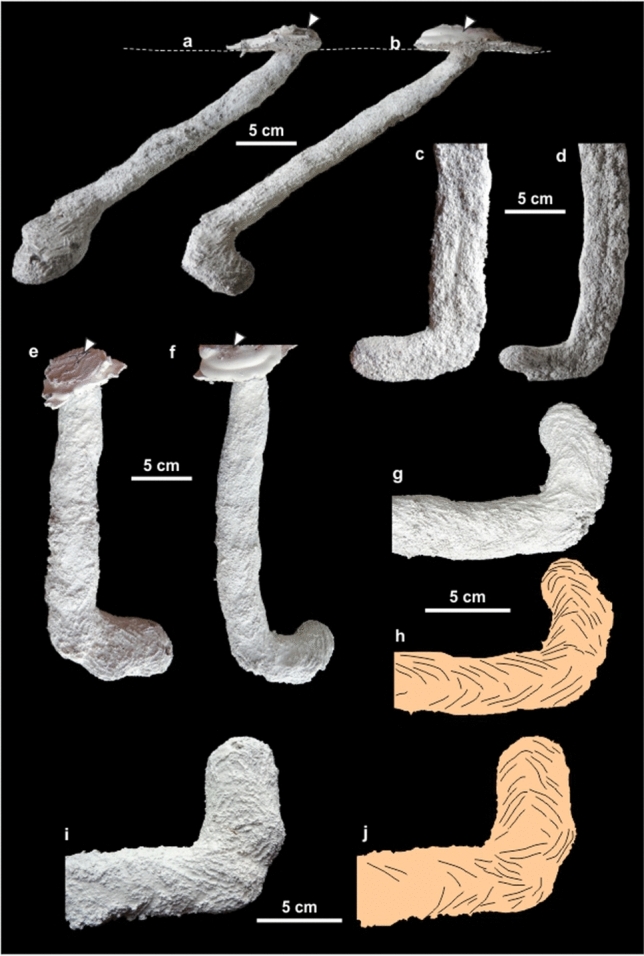
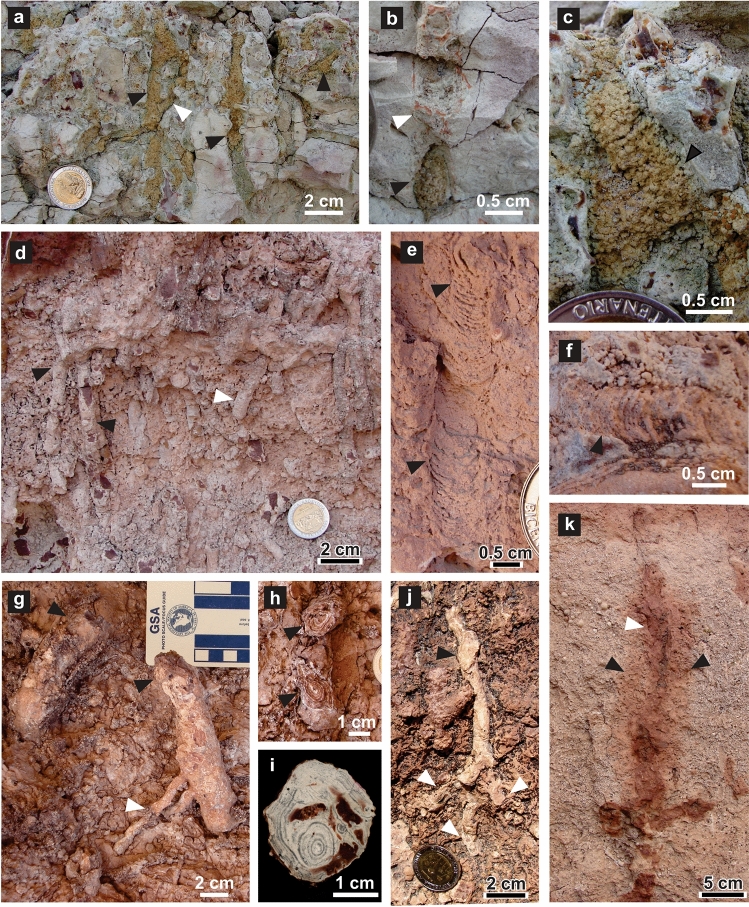
Scarce fossil tetrapod burrows have been recorded in Cretaceous rocks, which is probably linked to the dominant equable climates that existed for most of this period. The occurrence of Cretaceous tetrapod burrows from Patagonia (Chubut Province, Argentina) dated between 118 and 115 million years ago, gives insights into their paleoecology and paleoenvironment. The rocks containing the tetrapod burrows are of pyroclastic origin and represent eolian dunes and ash-fall deposits, some reworked by fluvial currents and others showing soil development. Fossil burrow casts preserved in a paleosol are composed by a ramp with a slightly curved or straight path in plan-view and lacking bifurcation, a rounded termination with no enlargement, showing a reniform cross-section, and are assigned to the ichnospecies Reniformichnus katikatii. The strongly flattened cross-sectional shape of the burrow casts and comparison with modern lizard burrows suggest that the producers were lepidosaurs (body mass = 50-323 g). Among Cretaceous fossorial lepidosaurs from Patagonia, the best candidate is an eilenodontine sphenodontian. Sphenodontians burrowed in the fossil soils where also arthropods, earthworms and shrubby plants thrived. The rare occurrence of tetrapod burrows in Cretaceous rocks is linked to stressing conditions related to frequent arrival of volcanic ash and a semiarid seasonal climate.
© 2023. The Author(s).
Conflict of interest statement
The authors declare no competing interests.
Figures
References
-
- Kinlaw A. A review of burrowing by semi-fossorial vertebrates in arid environments. J. Arid Environ. 1999;41:127–145. doi: 10.1006/jare.1998.0476. - DOI
-
- Reichman OJ, Smith SC. Burrows and burrowing behavior by mammals. Curr. Mammal. 1990;2:197–244.
-
- Kinlaw, A. Burrows of semi-fossorial vertebrates in upland communities of central Florida: their architecture, dispersion and ecological consequences PhD thesis, University of Florida, (2006).
-
- Barron EJ. A warm, equable Cretaceous: The nature of the problem. Earth Sci. Rev. 1983;19:305–338. doi: 10.1016/0012-8252(83)90001-6. - DOI
Publication types
MeSH terms
LinkOut - more resources
Full Text Sources
Research Materials
Miscellaneous
