


Small leucine rich proteoglycans: Biology, function and their therapeutic potential in the ocular surface
- PMID: 37355022
- PMCID: PMC11092928
- DOI: 10.1016/j.jtos.2023.06.013
Small leucine rich proteoglycans: Biology, function and their therapeutic potential in the ocular surface
Abstract
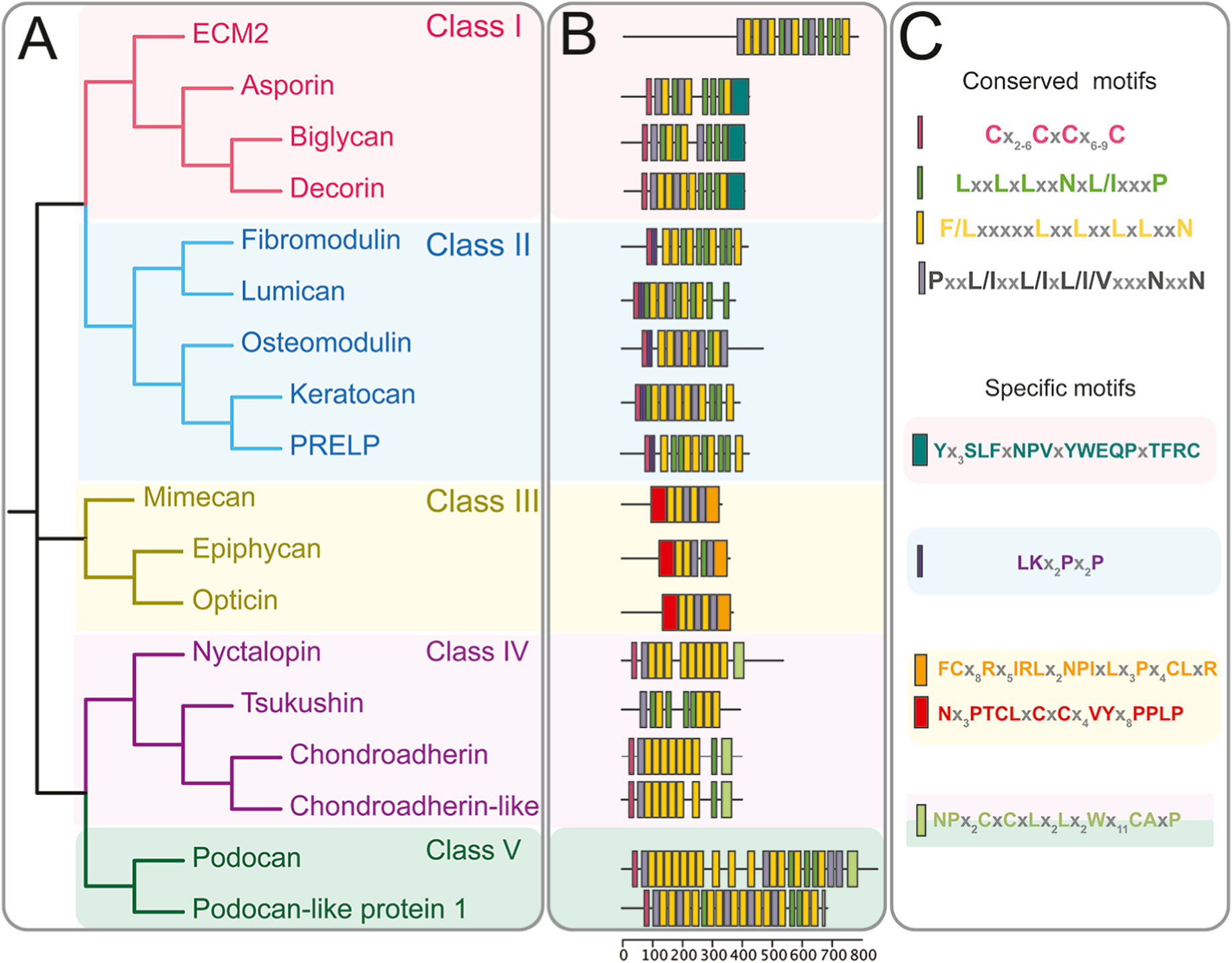
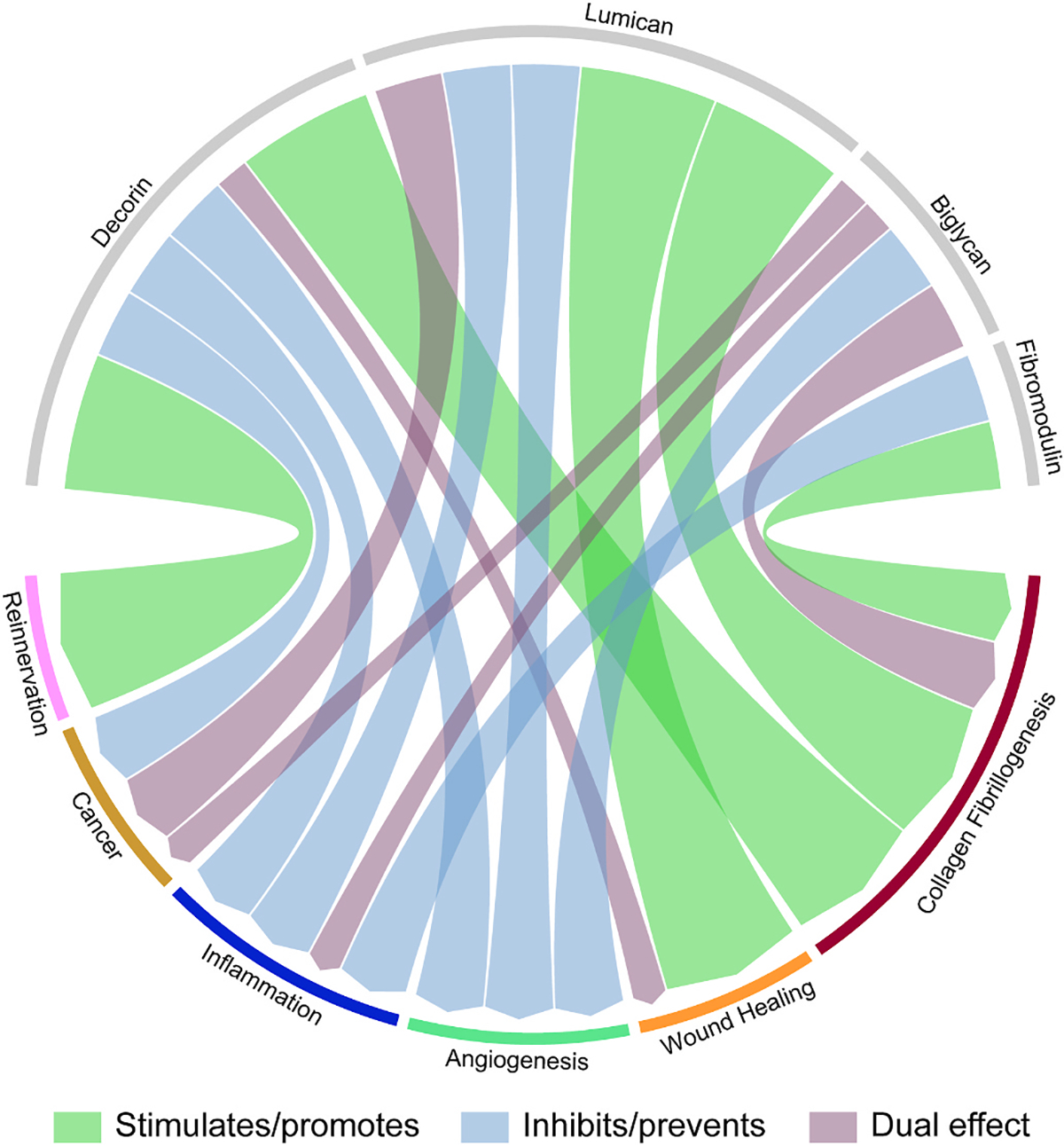
Small leucine rich proteoglycans (SLRPs) are the largest family of proteoglycans, with 18 members that are subdivided into five classes. SLRPs are small in size and can be present in tissues as glycosylated and non-glycosylated proteins, and the most studied SLRPs include decorin, biglycan, lumican, keratocan and fibromodulin. SLRPs specifically bind to collagen fibrils, regulating collagen fibrillogenesis and the biomechanical properties of tissues, and are expressed at particularly high levels in fibrous tissues, such as the cornea. However, SLRPs are also very active components of the ECM, interacting with numerous growth factors, cytokines and cell surface receptors. Therefore, SLRPs regulate major cellular processes and have a central role in major fundamental biological processes, such as maintaining corneal homeostasis and transparency and regulating corneal wound healing. Over the years, mutations and/or altered expression of SLRPs have been associated with various corneal diseases, such as congenital stromal corneal dystrophy and cornea plana. Recently, there has been great interest in harnessing the various functions of SLRPs for therapeutic purposes. In this comprehensive review, we describe the structural features and the related functions of SLRPs, and how these affect the therapeutic potential of SLRPs, with special emphasis on the use of SLRPs for treating ocular surface pathologies.
Copyright © 2023 Elsevier Inc. All rights reserved.
Conflict of interest statement
Declaration of competing interest Authors have no conflicts or financial interests related to this manuscript to disclose.
Figures

References
Publication types
MeSH terms
Substances
Grants and funding
LinkOut - more resources
Full Text Sources
